
Description
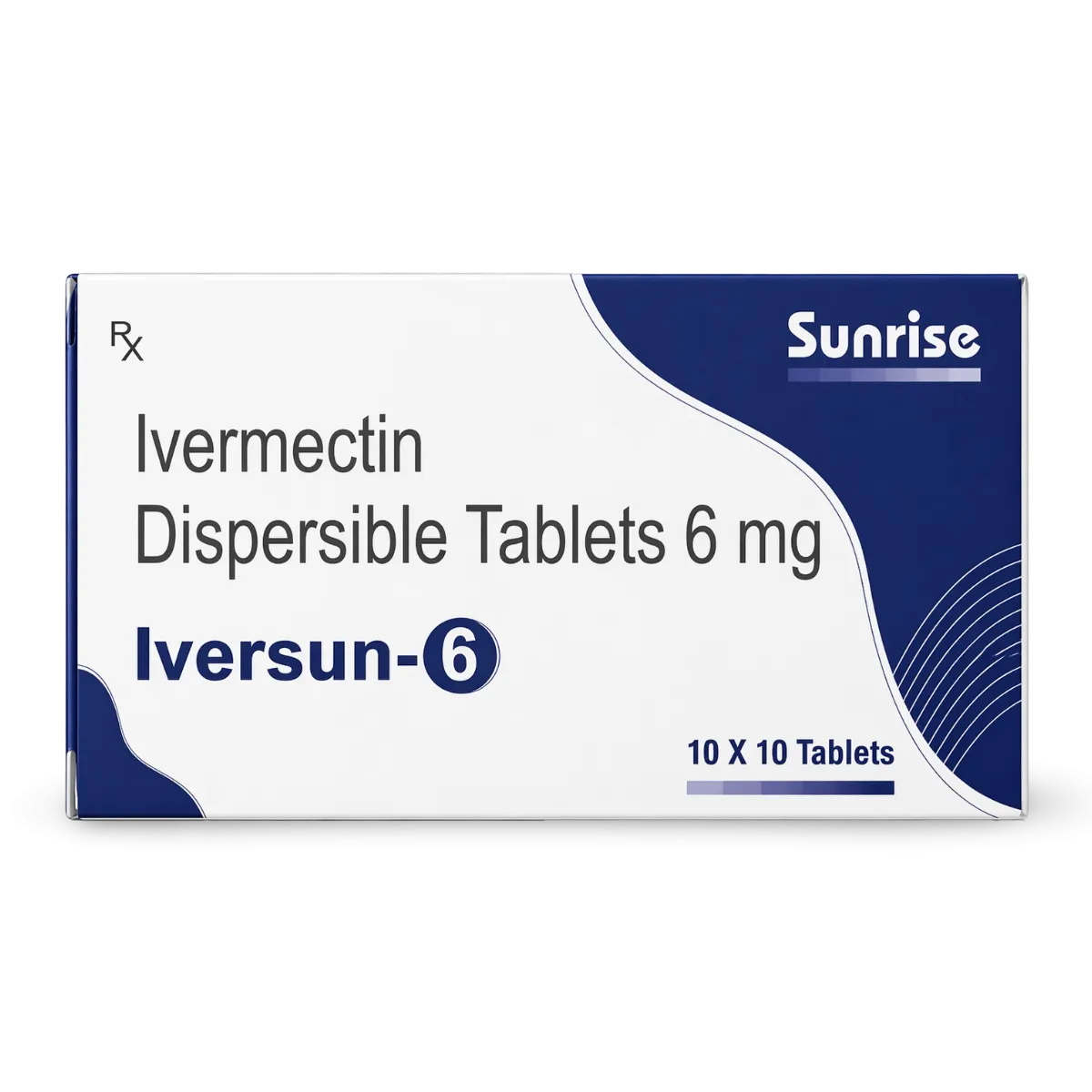
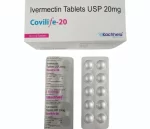
Ivermectin 6mg is a single tablet carrying twice the drug of the US 3 mg tablet. It treats certain roundworm infections, chiefly intestinal strongyloidiasis and onchocerciasis (river blindness), with a dose worked out from body weight. This page follows the drug from its public-health origins to the practical questions a patient or traveler is likely to have: who it suits, who should avoid it, what the reactions mean, and which popular claims do not hold up.
From River Blindness to Scabies: A Drug That Changed Global Health
Few medicines have a backstory like ivermectin. It came from a soil bacterium found in Japan in the 1970s. Satoshi Ōmura isolated the microbe, and William C. Campbell’s team at Merck showed that its compounds killed parasitic worms. In 2015 the two scientists shared half of the Nobel Prize in Physiology or Medicine for a new therapy against roundworm infections.
The real impact came from what happened next. In 1987 Merck pledged to donate the drug, under the name Mectizan, for as long as it was needed to fight river blindness. The Mectizan Donation Program was set up that year. It later expanded to lymphatic filariasis (the infection behind elephantiasis), where ivermectin is given together with albendazole. The program reports shipping billions of 3 mg tablets to endemic countries.
How mass drug administration works
River blindness spreads through bites of blackflies that breed in fast-flowing rivers. The adult worms live in skin nodules for years and release millions of tiny larvae (microfilariae) that cause itching, skin damage and, over time, blindness. According to the World Health Organization fact sheet on onchocerciasis, more than 99% of infected people live in Africa and Yemen, with a small focus on the Brazil–Venezuela border.
The WHO strategy is to treat whole communities once a year for 10 to 15 years, which is roughly the lifespan of the adult worm. Ivermectin does not kill the adults. It clears the larvae, which stops the itching and eye damage and cuts transmission. Colombia, Ecuador, Mexico and Guatemala were the first countries verified free of the disease, and Niger became the first in Africa in 2025.
Why this matters for a single patient
That public-health history explains two things about the tablet you might be prescribed. First, the dose is set by weight because community programs needed a simple way to treat people of every size. Second, the safety warnings around a parasite called Loa loa come straight from field experience in Central Africa. Both points are covered below.
Today ivermectin’s licensed uses are narrow. In the US the label covers two infections only. Doctors also use it off-label, following public-health guidance, for scabies, lice and some other parasites. If scabies in a household is your concern, the ivermectin 12 mg household scabies guide covers that in detail.
Where Ivermectin 6mg Fits in Weight-Based Dosing
Ivermectin is not a “one tablet for everyone” drug. The US label sets the dose in micrograms per kilogram of body weight:
- Strongyloidiasis: a single dose of about 200 mcg/kg.
- Onchocerciasis: a single dose of about 150 mcg/kg, often repeated in mass campaigns every 12 months. For an individual patient the label allows retreatment as soon as 3 months.
A 6 mg tablet therefore covers about 30 kg of body weight at 200 mcg/kg, or about 40 kg at 150 mcg/kg. An adult in the mid-weight range usually needs 9 to 15 mg, so a 6 mg tablet reduces the pill count compared with 3 mg tablets. For the official US weight bands and tablet counts, see the ivermectin 3 mg label reference.
Illustrative arithmetic only
The table below shows how the label’s per-kilogram targets translate into total milligrams for a few example weights. It is a worked example, not a dosing chart. Your prescriber rounds to the nearest practical dose, checks the weight bands on the label and decides how many tablets of which strength you take.
| Example body weight | Target at 200 mcg/kg (strongyloidiasis) | Target at 150 mcg/kg (onchocerciasis) | What a prescriber might weigh up |
|---|---|---|---|
| 45 kg (99 lb) | about 9 mg | about 6.8 mg | Whether 3 mg tablets give a closer match than 6 mg |
| 60 kg (132 lb) | about 12 mg | about 9 mg | A combination that lands near the target |
| 70 kg (154 lb) | about 14 mg | about 10.5 mg | Rounding within the label’s weight band |
| 85 kg (187 lb) | about 17 mg | about 12.8 mg | Label says dose by mcg/kg above the top band |
Two points follow from the numbers. People who weigh less may be better matched with 3 mg tablets. People who weigh more may need several tablets or a higher strength. This is why the same medicine can affect people differently: size, age and other medicines all shift the picture. Do not split or combine tablets on your own; ask the pharmacist first, as general guidance on when tablets can be split safely applies here too.
Taking the dose
The US label says to take ivermectin with water on an empty stomach. A high-fat meal raised blood levels about 2.5-fold in a study, which is why timing matters. Some scabies specialists advise taking it with food to boost absorption, so follow the instruction your prescriber gives for your infection. Our general explainer on how food timing changes the way a tablet works describes the same principle in plain terms.
Check the printed directions before you leave the pharmacy. Our guide to reading a prescription label line by line shows what each field means.
The Traveler’s Worm: Strongyloides After Time in the Tropics
For many people in North America and Europe, the most likely reason to meet ivermectin is Strongyloides stercoralis. This small roundworm lives in warm, wet soil, most often in tropical and subtropical regions. Its larvae enter through bare skin, for example when walking barefoot. According to the CDC’s clinical guidance on strongyloidiasis, it can also occur outside the tropics in rural areas with poor sanitation.
Why it lingers
Strongyloides can reinfect the same person from inside the gut. That cycle lets an infection persist quietly for many years after someone has left an endemic area. Most people have no symptoms. Some notice belly pain, bloating, on-and-off diarrhea, a dry cough or an itchy, creeping rash.
Why steroid users need a test first
The real danger appears when the immune system is suppressed. Corticosteroids such as prednisone, transplant drugs, some cancer treatments and HTLV-1 infection can let larvae multiply out of control. This is called hyperinfection, and it can spread to the lungs, brain and bloodstream and be fatal. The CDC advises clinicians to consider strongyloides testing in people who:
- are starting or taking corticosteroids or other immune-suppressing drugs
- have HTLV-1 infection, leukemia or lymphoma
- are being assessed for an organ transplant
- have unexplained high eosinophil counts on a blood test
- have lived in or travelled to endemic regions, even long ago
If you grew up in, worked in or spent long periods in such areas and your doctor plans a course of steroids, mention your travel history. Our step-by-step guide to preparing for a conversation with your doctor can help you raise it clearly.
Carrying ivermectin abroad
Some travel clinics and expatriate doctors prescribe ivermectin for people heading to or returning from endemic regions. If you are packing any prescription medicine, keep it in its original labelled container with a copy of the prescription. Our practical notes on traveling with prescription medicines and on airport screening rules for medicines in your bag apply to most tablets. Check the import rules of your destination before you go.
Who Should Not Take It, or Needs Extra Checks
The label lists a single absolute contraindication: an allergy to ivermectin or any ingredient. In practice, several other groups need a careful assessment first.
Loa loa exposure is the key safety question. People heavily infected with Loa loa (African eye worm), found in parts of West and Central Africa, can develop a rare but serious or fatal brain reaction (encephalopathy) after ivermectin. If you have lived in or spent significant time in these regions, the label advises testing for loiasis before treatment and close follow-up afterward.
Seek emergency help (call 911) for confusion, severe sleepiness, trouble walking, seizures or loss of consciousness after a dose. For a suspected overdose or accidental swallowing by a child, call Poison Help at 1-800-222-1222.
- Pregnancy: Animal studies at high doses showed birth defects, and there are no adequate human studies. The US label says the drug should not be used in pregnancy. If you could be pregnant, say so before you are prescribed it. Our overview of medicine safety questions in pregnancy explains how prescribers weigh these decisions.
- Breastfeeding: Ivermectin passes into breast milk in small amounts. The label advises treating a nursing mother only when delaying treatment carries more risk than the possible effect on the baby. See our guide to questions to ask about medicines while breastfeeding.
- Children under 15 kg: Safety and effectiveness have not been established below this weight. A 6 mg tablet is far too much for a small child, so keep tablets locked away. Our household medicine safety checklist for families has practical storage ideas.
- Older adults: The label notes that few people over 65 were studied. Prescribers take extra care where liver, kidney or heart function is reduced, as discussed in our piece on how age changes medicine safety.
- Liver disease: Ivermectin is broken down by the liver, and post-marketing reports include hepatitis and raised liver enzymes. Our explainer on how the liver processes medicines covers the basics, and our guide to medicine choices in liver disease shows why dose decisions change.
- Asthma: Worsening of asthma has been reported after marketing. Tell your prescriber if you have it; our asthma and medication safety guide lists signs to watch.
- Weak immune system, including HIV: One dose may not clear strongyloides. The label says repeat courses may be needed, and cure may not be possible in every case.
Side Effects and the Mazzotti Reaction, Explained
For most people treated for intestinal strongyloidiasis, side effects of ivermectin 6mg are mild and uncommon. In the label’s clinical studies, each of the following affected fewer than 3 in 100 people:
- dizziness and itching
- nausea and diarrhea
- tiredness, belly pain, loss of appetite, constipation or vomiting
- sleepiness, a spinning sensation or a slight tremor
- rash or hives
Our guides on managing dizziness from medicines and easing medicine-related nausea offer general tips. Small changes in liver tests and white cell counts were also seen.
What a Mazzotti reaction is
People treated for river blindness can feel quite unwell for a few days. This is not an allergy to the tablet. It is the body reacting to large numbers of larvae dying at once. Doctors call it a Mazzotti reaction, after the researcher who described it. In the label’s onchocerciasis studies, within four days of treatment:
- about 1 in 4 people had itching, skin reactions or fever
- about 1 in 8 had swollen or tender lymph nodes in the groin or armpit
- about 1 in 10 had joint pain or swelling
- a few had a fast heartbeat, swelling of the face or legs, or dizziness on standing
Eye irritation can also occur. These reactions usually settle with fluids, rest, and medicines such as antihistamines or pain relievers chosen by the clinician. Our explainers on why some medicines make you itchy and when to worry and medicines and a racing heart describe these symptoms in general terms.
Rare but serious
Since the drug came to market, rare reports have included severe skin reactions (Stevens-Johnson syndrome and toxic epidermal necrolysis), seizures, low blood pressure, bleeding in the white of the eye and nervous system effects such as confusion or reduced consciousness. Stop and get urgent care for peeling or blistering skin, swelling of the face or throat, fainting, severe confusion or a seizure. Sudden blurred vision after a medicine also needs prompt review.
Interactions to Mention Before Your First Ivermectin 6mg Dose
Ivermectin has fewer known interactions than many drugs, but a few deserve attention:
- Warfarin: The label notes rare reports of a raised INR (a clotting test) when the two are combined. Your INR may need checking.
- Drugs that affect liver enzymes: Lab data indicate ivermectin is processed mainly by the CYP3A4 enzyme. Strong blockers of this enzyme, such as some antifungals, HIV drugs and macrolide antibiotics, may raise its level. Our case study on how antifungals cause enzyme-based interactions shows the mechanism.
- Sedating medicines and alcohol: Because ivermectin can rarely cause drowsiness or confusion, combining it with sleep aids, sedating antihistamines or heavy drinking is unwise.
- Other antiparasitics: Ivermectin is sometimes paired with albendazole, as in lymphatic filariasis programs. Read about that partner drug on our albendazole 400 mg product page.
Bring a full list of prescriptions, over-the-counter products and supplements to your appointment. Our medication interaction checklist shows a simple way to lay it out.
Fact-Checks: COVID-19, Cancer and Animal Paste
Ivermectin became one of the most argued-about drugs of the pandemic years. Here is what the major evidence bodies concluded, in plain terms. Our broader piece on separating medicine myths from facts explains how to judge health claims you see online.
Claim: ivermectin treats or prevents COVID-19
Verdict: not supported. Interest began in 2020 with a laboratory study in cell cultures, using concentrations far above what human dosing achieves. Large randomized trials followed. A 2022 Cochrane review update found no evidence that ivermectin treats COVID-19 or prevents infection. The NIH COVID-19 Treatment Guidelines recommended against its use outside clinical trials. Ivermectin is not approved for COVID-19 in the US, the UK or the EU.
Claim: ivermectin cures cancer
Verdict: no evidence in people. Some laboratory and animal studies have explored anticancer effects. In 2026 the US National Cancer Institute announced early laboratory research, not patient trials. No high-quality human trial has shown that ivermectin treats any cancer, and it is not approved for that purpose. Using it in place of proven cancer care risks losing valuable treatment time. If you are considering it, discuss it openly with your oncologist.
Claim: animal ivermectin is the same thing
Verdict: dangerous. Pastes, pour-ons and injectables for horses, cattle and dogs are made for animals that may weigh many times more than a person. They contain different strengths and ingredients and have only been evaluated for the labelled species. The FDA has warned that ivermectin products meant for animals can seriously harm people. Poisoning can cause vomiting, confusion, balance problems, seizures and coma. Take ivermectin only when a licensed clinician prescribes it and a legitimate pharmacy dispenses it.
The same caution applies to “parasite cleanse” and “detox” protocols sold online. They are not an approved use and are not supported by evidence.
Storing Ivermectin 6mg and Avoiding Counterfeits
The US label advises storing ivermectin tablets below 30°C (86°F). In practice:
- Keep tablets in the original pack, away from heat and damp. A steamy bathroom cabinet is a poor choice.
- Store them out of sight and reach of children and pets.
- Do not keep spare tablets “for next time”. A future infection may need a different drug or dose.
- Return unused tablets through a pharmacy take-back scheme. Our guide to disposing of unused medicines safely lists the options, and our tips on safe medicine storage at home cover locked boxes and labelling.
Spotting a fake
Demand during the pandemic drew counterfeit and substandard ivermectin onto the market. Protect yourself by:
- buying only with a valid prescription, from a pharmacy licensed where you live
- checking that a pharmacist is available to answer questions
- avoiding sellers that offer ivermectin without a prescription or push it for COVID-19 or cancer
- comparing the tablet with the pack description and asking your pharmacist if anything looks unusual
The FDA’s BeSafeRx program explains how to check whether an online pharmacy is state-licensed. You can also read our answer to common questions about how this pharmacy operates.
Frequently Asked Questions About Ivermectin 6mg
What is ivermectin 6mg used for?
It is prescribed for certain roundworm infections. The labeled US uses are intestinal strongyloidiasis and onchocerciasis (river blindness). Doctors also use ivermectin off-label for scabies and some lice infestations when public-health guidance supports it. The 6 mg tablet simply delivers the weight-based dose in fewer pills.
Is ivermectin 6mg approved by the FDA?
The ingredient is FDA-approved, but the 6 mg strength is not. The US brand, Stromectol, is a 3 mg tablet. The 6 mg tablet is marketed as a prescription medicine in India and some other markets. A US pharmacy will usually dispense 3 mg tablets to reach the same total dose.
How many 6 mg tablets would I take?
That depends on your weight and the infection, and only your prescriber can decide. The label targets about 200 mcg/kg for strongyloidiasis and about 150 mcg/kg for river blindness. Follow the exact number on your prescription label and never adjust it yourself.
Should I take it on an empty stomach?
The US label says to take it with water on an empty stomach. Food, especially a fatty meal, raises the amount absorbed. For scabies, some specialists advise taking it with food. Follow your prescriber’s instruction for your condition.
What should I do if I take too much?
Call Poison Help at 1-800-222-1222 right away, or 911 if the person is very drowsy, confused, has a seizure or is hard to wake. Our guide on what to do after an accidental double dose outlines the first steps for any medicine.
What is a Mazzotti reaction?
It is an inflammatory reaction to dying larvae, seen mainly when river blindness is treated. Itching, rash, fever, swollen glands and joint pain are common in the first few days. It usually settles with supportive care, but report severe symptoms promptly.
Does ivermectin work for COVID-19?
No. A 2022 Cochrane review found no evidence of benefit for treatment or prevention, and the NIH guidelines recommended against its use outside trials. It is not approved for COVID-19.
Can I use horse or cattle ivermectin instead?
No. Animal products have different strengths and ingredients and are not tested for people. The FDA warns they can cause serious harm, including seizures and coma.
Should I be tested for strongyloides before taking steroids?
If you have lived in or traveled to tropical or subtropical regions, ask your doctor. The CDC advises considering testing before corticosteroids or other immune-suppressing treatment, because hidden infections can become life-threatening.
Is it safe during pregnancy or breastfeeding?
The US label says it should not be used in pregnancy, and safety in children under 15 kg has not been established. For breastfeeding, it should be used only when delaying treatment poses more risk than the small amount passing into milk. Discuss your situation with your prescriber.
Key Takeaways
- Ivermectin 6mg is a prescription antiparasitic. The 6 mg strength is marketed in India and some other markets; US and EU products are 3 mg.
- Its story runs from a Japanese soil sample to a 2015 Nobel Prize and decades of donated community treatment for river blindness and lymphatic filariasis.
- Dosing is weight-based, around 150–200 mcg/kg depending on the infection. Your prescriber picks the number and strength of tablets.
- People who have lived in tropical regions should mention it before starting steroids, because hidden strongyloides can become dangerous.
- Loa loa exposure, pregnancy, breastfeeding and a weight under 15 kg all need careful review before treatment.
- Mazzotti reactions reflect dying larvae and usually pass within days. Confusion, seizures or severe rash need urgent care.
- Major reviews found no benefit for COVID-19, there is no human evidence for cancer, and animal ivermectin can poison people.
- Buy only with a prescription from a licensed pharmacy, store below 30°C and dispose of leftovers. More guides are in our health tips library.
Poison Help (US): 1-800-222-1222 · Emergency: 911
Full US prescribing information for the 3 mg brand is on DailyMed (Stromectol label).
This description is for information only and does not replace advice from your doctor or pharmacist. Use only as prescribed.
Prescription medicine. Ivermectin 6mg tablets are dispensed only against a valid prescription. Your prescriber chooses the drug, the dose and how long to treat, based on the parasite, your body weight and your health history. Do not take leftover or shared tablets.
Strength note: 6 mg is not a US-approved strength. The FDA-approved brand, Stromectol, comes only as a 3 mg tablet, and the European Union’s authorised products are also 3 mg. Ivermectin 6 mg tablets are sold as prescription medicines in India by several manufacturers. If you are in the US, your pharmacist will normally fill an ivermectin prescription with 3 mg tablets.
Reviews
There are no reviews yet.