
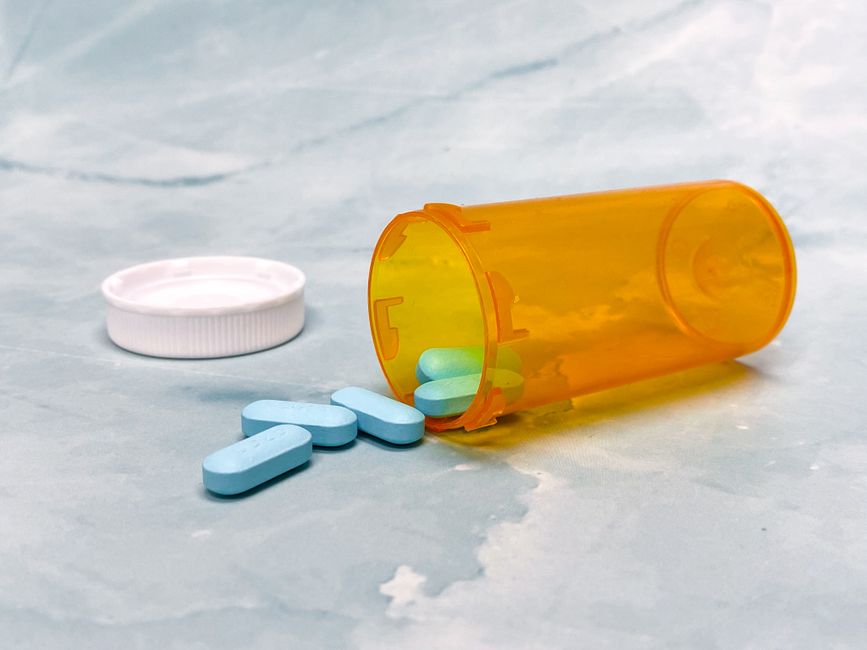
Realizing you just swallowed a second oxycodone pill by mistake can send your heart racing, and understandably so. Whether you lost track of time, forgot you already took your dose, or grabbed the wrong bottle in a rush, this kind of mix-up happens more often than most people admit. The good news is that a single accidental extra dose is rarely fatal for most adults, but it still deserves your full attention and a calm, methodical response.
In this guide, you’ll learn exactly what happens in your body when you accidentally take two oxycodone pills, which symptoms signal a true emergency, the step-by-step actions you should take right now, and how to keep this from happening again. We’ll also cover when to call Poison Control versus 911, what to expect if you end up in the emergency room, and answers to the most common questions people ask after a dosing mistake.
Understanding What Happens When You Double Up on Oxycodone
Oxycodone is a semi-synthetic opioid prescribed for moderate to severe pain. It works by binding to opioid receptors in your brain and spinal cord, blocking pain signals and producing feelings of relaxation. When taken as prescribed, it’s generally safe and effective. However, opioids have a narrow therapeutic window, meaning the difference between a therapeutic dose and one that causes dangerous side effects isn’t huge, especially in people who aren’t used to the medication.
Taking two pills instead of one essentially doubles the amount of oxycodone circulating in your bloodstream within a short window. Your liver and kidneys can only process the drug so fast, so that extra dose stacks on top of what’s already in your system. As a result, you may experience intensified side effects such as drowsiness, slowed breathing, or dizziness. For a deeper look at how your body handles this medication, check out our guide on oxycodone metabolism and how your body breaks it down.
It’s worth noting that not everyone reacts the same way to an extra dose. Body weight, liver function, age, tolerance level, and even genetics play a role in how strongly oxycodone affects you. Our article on why oxycodone affects people differently explains this in more detail if you want to understand your own risk factors better.
How Serious Is Taking Two Oxycodone Pills by Accident?
The seriousness of accidentally taking two oxycodone pills depends heavily on several variables. This isn’t a one-size-fits-all situation, so let’s break down what actually determines your risk level.
Dose Strength Matters
Oxycodone comes in various strengths, typically ranging from 5 mg to 30 mg per tablet for immediate-release formulations, and even higher for extended-release versions like OxyContin. Accidentally taking two 5 mg pills is a very different scenario than doubling up on two 30 mg extended-release tablets. Higher-strength or extended-release pills carry a much greater risk because they release the drug over many hours, meaning an extra dose keeps building in your system long after you’ve taken it.
Your Tolerance Level
Someone who has been taking oxycodone regularly for weeks or months has built up a tolerance, which means their body can typically handle an extra dose better than someone who just started the medication. First-time users or those returning to oxycodone after a break are at significantly higher risk of adverse effects from a double dose because their bodies haven’t adjusted to the drug.
Other Medications and Substances
This is one of the biggest risk multipliers. Combining an accidental extra oxycodone dose with alcohol, benzodiazepines (like Xanax or Valium), sleep aids, muscle relaxants, or other opioids dramatically increases the risk of severe respiratory depression. These combinations are involved in a large percentage of opioid-related emergency room visits and deaths. If you’re taking other medications alongside oxycodone, it’s worth reviewing our posts on combining ibuprofen with oxycodone or taking Tylenol with oxycodone to understand safe pairings, though neither of those combinations changes the urgency of a double-dose situation.
Age and Overall Health
Older adults, people with liver or kidney disease, and those with respiratory conditions like COPD or sleep apnea face higher risks from any opioid overdose, including an accidental extra dose. Reduced organ function means the body clears oxycodone more slowly, so the drug lingers longer and side effects can be more pronounced.
Signs and Symptoms of Oxycodone Overdose to Watch For
After realizing you’ve taken an extra pill, your job is to monitor yourself (or the person who took it) closely for the next several hours. Symptoms can appear gradually, so don’t assume you’re in the clear just because you feel fine in the first 20 minutes.
Mild to Moderate Symptoms
- Excessive drowsiness or difficulty staying awake
- Nausea or vomiting
- Dizziness or lightheadedness
- Confusion or difficulty concentrating
- Constricted (pinpoint) pupils
- Itchy skin or flushing
- Slurred speech
- Mild slowing of breathing
These symptoms are uncomfortable but generally not immediately life-threatening on their own. Still, they indicate that your body has more oxycodone than it needs, and you should treat them seriously.
Severe, Emergency-Level Symptoms
- Slow, shallow, or labored breathing (fewer than 12 breaths per minute)
- Blue or gray tint to lips, fingertips, or skin (a sign of low oxygen)
- Extreme drowsiness that progresses to unresponsiveness
- Inability to wake the person up
- Limp body or muscle weakness
- Gurgling or choking sounds while breathing
- Very slow or weak pulse
- Seizures
If you or someone else displays any of these severe symptoms, this is a medical emergency. Do not wait to see if it improves on its own. Slowed breathing is the hallmark warning sign of opioid overdose, and it can progress quickly to respiratory failure if left untreated. Our article on oxycodone and heart rate also explains how this medication can affect your cardiovascular system, which is useful context when you’re monitoring symptoms.
What to Do Immediately If You Took an Extra Oxycodone Pill
Panic doesn’t help in this situation, but quick, clear-headed action does. Here’s a practical, step-by-step approach.
Step 1: Stay Calm and Assess How Much You Actually Took
Before doing anything else, figure out exactly what happened. Check the pill bottle, count what’s left, and confirm the strength of the medication (the mg amount printed on the label). Knowing precisely how much oxycodone you took, and when, will help medical professionals give you the best advice.
Step 2: Call Poison Control
In the United States, the American Association of Poison Control Centers operates a free, confidential hotline at 1-800-222-1222, available 24/7. This should be your first call in most non-emergency situations. The staff are trained toxicology experts who will ask about your weight, age, the dose taken, timing, and any other medications or health conditions. Based on that information, they’ll tell you whether you can safely monitor yourself at home or whether you need to go to the emergency room. You can also visit Poison Control’s website for additional guidance and an online tool that can help triage the situation.
Step 3: Do Not Take Any More Oxycodone
This might sound obvious, but skip your next scheduled dose entirely. Do not try to make up for it by adjusting your next dose or skipping multiple doses to compensate later. Simply wait until your next scheduled dose time arrives, and if you’re unsure whether it’s safe to resume your normal schedule right away, ask the poison control specialist or your prescribing doctor for guidance. Timing matters a lot with opioids, and doubling up again to “catch up” is one of the most common ways people accidentally push themselves into dangerous territory. If you want a deeper understanding of how missed or altered doses affect your pain management plan, this guide on what happens if you miss an oxycodone dose walks through exactly how to get back on track safely.
Step 4: Monitor Yourself Closely for the Next Several Hours
Even if Poison Control tells you that watchful waiting at home is appropriate, you still need to pay close attention to how your body responds over the next four to eight hours, since that’s typically when peak effects and any complications would show up. Have someone stay with you if possible. Being alone during this window isn’t ideal, because some warning signs (like slowed breathing or confusion) are easier for another person to notice than for you to catch yourself.
Mild to moderate symptoms you might notice after taking an extra pill include:
- Increased drowsiness or feeling unusually “foggy”
- Nausea or vomiting
- Itching or flushed skin
- Constipation or stomach discomfort
- Lightheadedness or dizziness when standing up
- Mild slowing of your heart rate
These symptoms are uncomfortable but generally not life-threatening on their own. If nausea becomes an issue, this article on oxycodone nausea causes and relief tips offers some practical relief strategies. The same goes for digestive slowdown, which this guide on foods that relieve oxycodone constipation can help you manage while your body processes the extra dose.
Step 5: Know the Signs That Mean You Need Emergency Help
This is the most important part of this entire article, so read it carefully. Call 911 immediately, do not wait, do not drive yourself, if you or someone else notices any of the following:
- Slow, shallow, or labored breathing (fewer than 12 breaths per minute)
- Gasping, gurgling, or snoring sounds while unconscious (sometimes called the “death rattle”)
- Blue or grayish-tinted lips, fingertips, or skin
- Pinpoint (very small) pupils
- Extreme confusion or inability to stay awake
- Unresponsiveness, even to loud noises or shaking
- Limp body or muscle weakness
- Seizures
- A very slow or irregular heartbeat
These are the hallmark signs of opioid overdose and respiratory depression, which is the mechanism that actually kills people in opioid overdoses. Oxycodone suppresses the part of the brainstem that controls your urge to breathe, and when that suppression becomes severe enough, breathing can slow to a dangerous rate or stop altogether. Every minute matters in this scenario, so don’t try to “wait and see” if these symptoms appear. Call for emergency help right away and, if available, administer naloxone (more on that below) while waiting for paramedics to arrive.
Why an Extra Oxycodone Pill Can Be More Dangerous for Some People Than Others
Not everyone who accidentally takes a double dose experiences the same outcome, and that unpredictability is part of what makes this situation so unsettling. A handful of factors determine how your body handles that extra pill.
Opioid Tolerance
If you’ve been taking oxycodone regularly for weeks or months, your body has likely built up some degree of tolerance, meaning your system has adapted to a certain dose and reacts less dramatically to a modest increase. On the other hand, if you’re new to oxycodone, recently increased your dose, or had a recent gap in use (after a hospital stay, for example), your tolerance may be lower than expected, and an extra pill can hit much harder than it would for a long-term user.
Formulation: Immediate-Release vs. Extended-Release
This distinction matters enormously. Immediate-release oxycodone releases its full dose into your system fairly quickly, while extended-release formulations (like OxyContin) are designed to release medication slowly over 12 hours. Accidentally taking an extra extended-release tablet is particularly risky because you’re not just doubling the immediate effect, you’re doubling the total amount of drug your body will be exposed to over the coming half-day, and that drug will keep releasing even after symptoms start. Extended-release tablets should never be crushed, split, or chewed, since doing so destroys the time-release mechanism and dumps the entire dose into your bloodstream at once, which can be catastrophic.
Other Medications and Substances
Oxycodone doesn’t exist in a vacuum inside your body. Combining it, even accidentally, with other central nervous system depressants dramatically raises overdose risk. This includes:
- Alcohol
- Benzodiazepines (such as Xanax, Valium, or Ativan)
- Sleep aids (like Ambien or Lunesta)
- Muscle relaxants
- Other opioid pain medications
- Certain antihistamines that cause drowsiness
If you took an extra oxycodone pill and also have any of these substances in your system, tell Poison Control or the emergency room staff immediately, since this changes the risk calculation substantially.
Liver and Kidney Function
Your liver is responsible for breaking down oxycodone into metabolites your body can eliminate, and your kidneys handle filtering those metabolites out. If either organ isn’t functioning at full capacity, whether due to a chronic condition, age-related decline, or dehydration, oxycodone and its byproducts can build up in your system longer than expected, prolonging the effects of that extra dose. For a closer look at how this process works, how your liver processes oxycodone breaks down the science behind metabolism in more detail.
Individual Body Chemistry
Genetics play a bigger role in opioid response than most people realize. Variations in liver enzymes, particularly the CYP2D6 enzyme responsible for converting oxycodone into its active form, mean that two people of similar age and weight can react very differently to the exact same dose. This helps explain why oxycodone affects people differently, and it’s part of why there’s no universal “safe” answer to how a double dose will feel or behave in your specific body.
Age and Body Weight
Older adults tend to be more sensitive to opioids due to slower metabolism, decreased organ function, and a higher likelihood of taking other medications that interact with oxycodone. Similarly, lower body weight generally means a given dose has a proportionally stronger effect. This is one reason poison control specialists always ask for your age and weight right away, since it directly shapes their risk assessment.
Watching Your Vital Signs at Home
If you’ve been cleared by Poison Control or a healthcare provider to monitor yourself at home rather than go to the ER, keeping an eye on a few key vital signs can help you catch a problem early.
Breathing Rate
Count your breaths for a full 60 seconds. A normal resting adult breathing rate is typically between 12 and 20 breaths per minute. Anything consistently below 12, especially if it feels shallow or labored, is a red flag that warrants immediate medical attention.
Heart Rate
Oxycodone can slow your heart rate somewhat, and an extra dose may amplify that effect. You can check your pulse manually at your wrist or neck, or use a smartwatch or pulse oximeter if you have one available. This resource on oxycodone and heart rate explains what’s considered a normal range and what changes should prompt concern.
Blood Pressure
A noticeable drop in blood pressure can cause dizziness, fainting, or a general sense of feeling “off” when standing up. If you have a home blood pressure cuff, checking periodically can be useful. For more context on how oxycodone interacts with blood pressure, this article on whether oxycodone increases blood pressure is a helpful reference.
Level of Alertness
Perhaps the simplest but most important thing to monitor is whether you (or the person who took the extra dose) can stay awake and respond normally to questions or stimulation. If someone becomes progressively harder to wake up, that’s a medical emergency, not a moment to “let them sleep it off.”
The Role of Naloxone (Narcan) in an Accidental Overdose
Naloxone is a medication that rapidly reverses the effects of opioids, including oxycodone, by knocking the opioid off receptors in the brain. It’s available as a nasal spray (brand name Narcan) or an injectable formulation, and in most U.S. states, it can be purchased at a pharmacy without a prescription.
If you or a family member regularly takes oxycodone or any opioid medication, it’s genuinely worth having naloxone on hand at home, the same way you might keep a fire extinguisher even if you never expect a fire. If someone shows signs of opioid overdose (slowed or stopped breathing, unresponsiveness, blue lips), here’s what to do:
- Call 911 immediately, even before or while administering naloxone
- Administer the naloxone nasal spray according to package instructions (usually one spray into one nostril)
- Turn the person onto their side to prevent choking if they vomit
- Stay with them and be prepared to give a second dose after 2 to 3 minutes if there’s no improvement, since naloxone’s effects can wear off before the opioid fully clears the body
- Continue rescue breathing if you’re trained to do so and the person isn’t breathing adequately
One important caveat: naloxone only reverses opioid effects, and its duration is shorter than that of many opioids, especially extended-release oxycodone. This means someone can be revived by naloxone and then slip back into overdose once it wears off, which is exactly why emergency medical care is still necessary even after naloxone works. According to the Mayo Clinic, naloxone should always be treated as a bridge to emergency care, not a replacement for it.
What Happens If You Go to the Emergency Room
If Poison Control or your own instincts tell you the situation warrants an ER visit, here’s a general idea of what to expect, so it feels a little less intimidating.
Initial Assessment
Staff will check your vital signs (heart rate, blood pressure, oxygen saturation, breathing rate) and ask detailed questions about what was taken, how much, and when. Being honest and specific here is critical, doctors aren’t there to judge you, they’re there to keep you safe, and accurate information leads to better treatment decisions.
Monitoring
In many cases, especially if the extra dose was relatively small and you’re otherwise healthy, the ER’s main job is simply to monitor you for a few hours to make sure no delayed complications develop. This is particularly common after extended-release oxycodone, since its effects unfold more gradually.
Naloxone Administration
If you’re showing signs of opioid toxicity, the medical team may administer naloxone intravenously, which works faster than the nasal spray version and allows for more precise, titrated dosing.
Supportive Care
This might include supplemental oxygen, IV fluids, anti-nausea medication, and continuous monitoring of your heart rhythm and oxygen levels. In rare cases involving very recent ingestion, activated charcoal may be considered, though this is less common with oxycodone than with some other substances since it’s absorbed relatively quickly.
Observation Period and Discharge
Most people who go to the ER for an accidental extra dose of oxycodone, without severe symptoms, are observed for a period of hours and then discharged once their vital signs stabilize and remain normal. You’ll likely be given instructions about what to watch for over the following 24 hours and advised to avoid driving or operating machinery until the effects fully wear off.
Recovering After an Accidental Double Dose
Even after the immediate danger has passed, your body needs some time to fully process the extra medication. Here’s how to take care of yourself in the hours and days that follow.
Rest and Hydration
Give your body permission to rest. Drowsiness and grogginess may linger longer than usual, and pushing through fatigue with caffeine or forcing yourself to power through a busy day isn’t a good idea. Drink plenty of water to support your kidneys as they help clear the medication and its metabolites from your system.
Avoid Driving or Operating Machinery
Your reaction time and judgment can remain impaired for up to 24 hours after an extra dose, even once you feel “back to normal.” Arrange alternative transportation and postpone tasks that require full alertness.
Skip Alcohol and Other Sedatives
Even after the acute risk period has passed, avoid alcohol, sleep aids, or any other CNS depressant for at least 24 to 48 hours, since your system is still working to clear the excess oxycodone.
Watch for Delayed Digestive Effects
Extra opioid exposure often means extra constipation. Staying hydrated, eating fiber-rich foods, and gentle movement (once you’re feeling steady) can help keep things moving. This detailed guide on preventing and relieving oxycodone-related constipation is worth bookmarking if this becomes an ongoing issue.
Follow Up With Your Prescribing Doctor
Even if you never needed emergency care, let your doctor know what happened. This isn’t about getting in trouble, it’s about making sure your treatment plan is working safely for you. Your doctor may want to reassess your dosing schedule, switch you to a different formulation, or discuss strategies to prevent it from happening again.
How to Prevent Accidentally Doubling Up on Oxycodone in the Future
The good news is that this kind of mistake is highly preventable with a few small changes to how you manage your medication.
Use a Pill Organizer
A simple weekly or daily pill organizer with labeled compartments removes the guesswork entirely. If the compartment for that day is empty, you know you’ve already taken your dose, no need to rely on memory.
Set Phone Alarms or Reminders
Medication reminder apps, or even a basic phone alarm labeled “oxycodone dose,” can prevent the kind of mental fog or distraction that leads to double-dosing. Many pharmacy apps also offer built-in reminder features tied to your prescription refill schedule.
Keep a Written Medication Log
A small notebook or a notes app entry where you jot down the exact time of each dose creates a simple paper trail you can glance at before taking your next one. This is especially useful if multiple people in a household help manage medications, such as caregivers assisting an older adult.
Store Medication in One Consistent Location
Avoid keeping loose pills in your pocket, purse, or multiple locations around the house. When oxycodone is only ever in one place, in its original labeled container, it’s much easier to keep track of what you’ve taken and when.
Talk to Your Pharmacist About Packaging Options
Many pharmacies offer blister-pack dispensing or bubble packs organized by date and time, which can be a lifesaver for people on complex medication regimens or those who are prone to forgetfulness.
Consider Your Dosing Schedule
Sometimes accidental double dosing happens because a dosing schedule doesn’t fit naturally into someone’s daily routine. If you find yourself frequently confused about whether you’ve taken a dose, it might be worth revisiting the timing altogether. This guide on the best time to take oxycodone for pain relief offers strategies for aligning your doses with your daily rhythm in a way that’s easier to track and remember.
When an Accidental Double Dose Signals a Bigger Conversation
A single honest mistake doesn’t mean anything is fundamentally wrong with how you’re managing your medication. But if this has happened more than once, or if you notice you’re regularly confused about your dosing, it’s worth having a bigger conversation with your doctor. This could point to a few different underlying issues worth addressing:
- Your current pain regimen may be too complex or poorly timed for your daily life
- You may benefit from a simplified formulation or a switch to a longer-acting medication with fewer daily doses
- Cognitive factors (stress, sleep deprivation, or the medication itself) may be affecting your memory around dosing
- A caregiver or family member might need to take a more active role in managing your medication schedule
None of these conversations should feel embarrassing. Prescribers deal with dosing errors regularly, and they would much rather help you build a safer system than have you quietly worry about it alone.
Frequently Asked Questions
Is taking two oxycodone pills by accident always an emergency?
Not necessarily, but it always deserves attention. The severity depends on the strength of the pills, whether they were immediate-release or extended-release, your tolerance, and whether you combined them with alcohol or other sedatives. When in doubt, call Poison Control at 1-800-222-1222 for a personalized risk assessment rather than trying to guess on your own.
How long will symptoms from an extra dose last?
For immediate-release oxycodone, effects typically peak within one to two hours and largely subside within four to six hours, though grogginess can linger longer. Extended-release formulations release medication over roughly 12 hours, so effects, and the associated risk window, last considerably longer.
Should I make myself vomit after taking too much oxycodone?
No. Do not attempt to induce vomiting unless a medical professional specifically instructs you to. Vomiting can cause choking, especially if drowsiness sets in, and it isn’t an effective or recommended way to reduce oxycodone absorption once the pill has been swallowed.
Can I just sleep it off instead of calling anyone?
This is one of the riskiest assumptions you can make. Overdose symptoms, particularly slowed breathing, can worsen while someone is sleeping, and a person who has drifted into a dangerously deep, unresponsive state can look like they’re “just sleeping” to an untrained eye. Always check in with Poison Control or a medical professional rather than assuming sleep will resolve the issue on its own.
Will this affect my next prescription refill or raise red flags with my doctor?
Being honest with your doctor about an accidental extra dose is a normal, responsible thing to do, and it shouldn’t automatically trigger suspicion or affect your treatment plan negatively. Doctors generally view this kind of transparency as a sign that a patient is engaged and safety-conscious, and it gives them the information they need to help prevent it from happening again.
The Bottom Line
Accidentally taking two oxycodone pills instead of one is a common, understandable mistake, but it’s not one to brush off. The right response is straightforward: stay calm, figure out exactly what and how much you took, call Poison Control or your doctor right away, avoid taking any more medication, and watch closely for warning signs like slowed breathing, confusion, or bluish skin that would require immediate emergency care. Most people who take one extra dose and get prompt guidance come through the experience just fine, but the margin for error with opioids is real, and quick, informed action is what keeps a scary moment from turning into a genuine crisis. If this happens to you or someone you care for, treat it seriously, reach out for professional guidance without hesitation, and use the experience as a nudge to build a safer, more foolproof system for managing your medication going forward.
How to Prevent Accidental Double Dosing in the Future
Once the immediate scare has passed, it’s worth spending a few minutes thinking about why the mix-up happened in the first place. Most double doses aren’t the result of carelessness, they’re the result of ordinary life: distractions, fatigue, pain that clouds memory, or a routine that simply doesn’t have enough built-in safeguards. The good news is that a few small changes can dramatically reduce the odds of it happening again.
Use a Pill Organizer or Blister Pack
A weekly pill organizer with separate compartments for morning, afternoon, evening, and night is one of the simplest and most effective tools available. If the slot for a given time is already empty, you know at a glance that the dose has been taken. This single habit eliminates the most common cause of double dosing, which is simply forgetting whether you already took your medication.
Set Phone Reminders or Use a Medication App
Smartphone reminder apps designed specifically for medication tracking can log each dose with a timestamp, send alerts when the next dose is due, and even warn you if you try to log a dose too soon after the last one. This is especially helpful for people juggling multiple medications or managing pain that fluctuates throughout the day, since it removes the guesswork of relying on memory alone.
Keep a Simple Paper Log
If you prefer a low-tech approach, a small notebook or a printed chart taped near where you keep your medication works just as well. Jot down the date and time every time you take a dose. It takes seconds and creates an unmistakable record you can check before reaching for another pill, especially useful during a rough night when pain and fatigue make it easy to lose track.
Store Medication Out of Reach and Out of Routine Blind Spots
Keeping oxycodone in a spot you pass by frequently, like a kitchen counter or bedside table, can actually increase the risk of an accidental extra dose, because it’s easy to grab a pill on autopilot without consciously registering that you already took one. Storing it in a consistent, slightly less convenient location, such as a locked cabinet, encourages a brief pause before every dose, which gives your brain a chance to actually think through whether it’s time for another one.
It’s also worth revisiting your dosing schedule and timing strategy with your doctor, particularly if you find yourself frequently confused about whether a dose is due. Sometimes a small adjustment to when you take your medication relative to meals, sleep, or other daily anchors can make the whole routine easier to track and less prone to error.
Quick Reference: When to Call for Emergency Help
In the middle of a stressful moment, it helps to have a short, clear checklist rather than trying to recall detailed medical information. Call 911 or get to an emergency room immediately if you or someone else who took an extra dose of oxycodone shows any of the following:
- Slow, shallow, or irregular breathing, or breathing that stops for several seconds at a time
- Extreme drowsiness that progresses to unresponsiveness, or an inability to wake the person up
- Blue or gray tinge to the lips, fingertips, or skin
- Pinpoint pupils combined with confusion or loss of coordination
- Gurgling, snoring, or choking sounds while breathing
- Seizures, or a heart rate that feels dangerously fast, slow, or irregular
If none of these signs are present, but you’re still unsure whether the extra dose poses a risk given your specific health history, current medications, or the exact strength of the pill involved, calling Poison Control or your prescribing doctor is still the right move. It costs nothing to ask, and getting a clear answer is far better than spending the next several hours anxiously monitoring symptoms without guidance.
More Frequently Asked Questions
Can I just skip my next scheduled dose to make up for taking an extra one?
This might sound logical, but it’s not something you should decide on your own. Skipping a dose to compensate can leave you with inadequate pain control, and depending on the timing, it doesn’t necessarily undo any risk from the extra dose you already took. Always let a doctor or pharmacist tell you how to adjust your schedule rather than guessing, since they can factor in the specific formulation and half-life of your medication.
Does it matter if the two pills were immediate-release or extended-release oxycodone?
Yes, significantly. Extended-release formulations release the medication slowly over many hours, which means an accidental second dose introduces a large amount of drug into your system that will continue being absorbed long after you’ve taken it, extending the window of risk. This is one of the key details Poison Control or your doctor will ask about, since it directly affects how long you’ll need to be monitored. If you want a deeper understanding of how your body handles these differences over time, this explanation of oxycodone metabolism breaks down the process in plain terms.
I take other medications too. Does that change how worried I should be?
It can, quite a bit. Combining an accidental extra dose of oxycodone with other central nervous system depressants, such as benzodiazepines, sleep aids, muscle relaxants, or alcohol, raises the risk of dangerous respiratory depression well beyond what oxycodone alone would cause. This is exactly the kind of detail to mention when you call Poison Control or your doctor, since it may change how urgently they want you to seek in-person evaluation.
What if this isn’t the first time it’s happened?
If you’ve noticed a pattern of accidentally taking extra doses, it’s important to bring this up with your doctor rather than treating each incident as an isolated mistake. Repeated dosing errors can be a sign that your current regimen, storage method, or tracking system isn’t working for your lifestyle, and your doctor may suggest changes such as a different formulation, a simplified schedule, or additional support tools. It’s also worth having an honest conversation about how the medication is affecting you day to day, since discomfort or side effects can sometimes contribute to confusion around dosing.
Is it normal to feel anxious or shaken after realizing what happened, even once I know I’m okay?
Completely normal. Realizing you’ve taken more of a powerful medication than intended is unsettling, and it’s common to feel a lingering sense of worry even after a medical professional has reassured you that you’re not in danger. Give yourself permission to feel rattled, and consider using the moment as motivation to put a more reliable system in place, rather than dwelling on the mistake itself.
Final Thoughts
Mistakes with medication timing happen to careful, responsible people all the time, and taking one extra oxycodone pill is rarely the catastrophe it feels like in the moment. What matters most is what you do in the minutes and hours right after you realize the error. Stay calm, get accurate information from a poison control specialist or your doctor, watch for the specific warning signs that require emergency care, and resist the urge to either panic or downplay the situation. Once the immediate concern has passed, take the opportunity to build a simple, reliable system, whether that’s a pill organizer, a phone app, or a written log, so that this becomes a one-time scare rather than a recurring worry. Your safety, and your peace of mind, are worth that small extra effort.