
Missing a dose of oxycodone happens more often than most people admit. Maybe you slept through an alarm, got caught up at work, or simply forgot after a long day. Whatever the reason, the moment you realize it, a wave of questions usually follows: Will the pain come roaring back? Should you take a double dose to catch up? Are you about to go into withdrawal?
This guide answers those questions in plain language. You’ll learn what actually happens in your body when a scheduled oxycodone dose is missed, how the answer differs depending on whether you take immediate-release or extended-release oxycodone, and what steps you can take right now to get back on track safely. We’ll also cover when a missed dose is nothing to worry about and when it’s a sign you need to call your doctor or pharmacist.
What Happens If You Miss an Oxycodone Dose?
In most cases, missing a single oxycodone dose is not dangerous. The most common result is that your pain relief starts to wear off sooner than expected, and you may notice mild discomfort or early withdrawal-like symptoms such as restlessness, sweating, or achiness. This happens because oxycodone has a relatively short half-life, meaning it clears out of your bloodstream within hours rather than days.
What you should do next depends on a few factors: how long it’s been since your missed dose, whether you take immediate-release or extended-release oxycodone, and how close you are to your next scheduled dose. We’ll walk through each scenario below, but the short answer is this: never take a double dose to
catch up. Doubling your next dose to make up for a missed one can push oxycodone levels too high, raising your risk of dangerous side effects like slowed or stopped breathing. Instead, the safest approach is almost always to simply resume your normal schedule at the next scheduled time, unless your doctor has told you otherwise.
Let’s break this down more precisely, because the right response really does depend on which type of oxycodone you’re taking.
Immediate-Release Oxycodone: What to Do If You Miss a Dose
Immediate-release (IR) oxycodone, sold under names like Roxicodone or the generic version of the drug found in many combination products, is typically prescribed every 4 to 6 hours as needed for pain. Because it’s dosed frequently and works quickly, missing one dose usually isn’t a major event.
If you miss a dose of immediate-release oxycodone, here’s the general rule of thumb:
- If it’s close to when you remember: Take the missed dose as soon as you notice, as long as it’s not almost time for your next one.
- If it’s almost time for the next dose: Skip the missed dose entirely and take your next dose at its regular scheduled time. Do not combine the two into one larger dose.
- If you’re taking it on an as-needed (PRN) basis rather than on a strict clock, missing a “dose” isn’t really missing anything at all. Since PRN oxycodone is meant to be taken only when pain flares up, there’s no fixed dose to miss. You simply take it the next time you need it, following the minimum interval your prescription allows.
For most people on immediate-release oxycodone, a single missed dose causes little more than a temporary increase in pain. The medication has a relatively short half-life, so it clears the body fairly quickly, and resuming your normal schedule is usually enough to get pain control back on track. If you want a deeper understanding of how quickly the drug leaves your system and why timing matters so much, our guide on oxycodone’s half-life and how long it stays active breaks this down in detail.
Extended-Release Oxycodone: What to Do If You Miss a Dose
Extended-release (ER) oxycodone, sold under brand names like OxyContin, is a different story. This formulation is designed to release the medication slowly over 8 to 12 hours, providing steady, round-the-clock pain control for people with chronic or severe pain. Because it works on a strict schedule, usually twice a day, missing a dose has a bigger impact on your overall pain management than missing a single dose of the immediate-release version.
If you miss a dose of extended-release oxycodone, the general guidance is:
- If you remember within a few hours: Take the missed dose as soon as you remember, provided your next scheduled dose isn’t due soon. Then continue your regular dosing schedule from that point.
- If it’s almost time for your next dose: Skip the missed dose completely and take your next dose at its regular time. Never take two doses close together to compensate.
- If you’re unsure how much time has passed: Contact your prescribing doctor or pharmacist before taking anything. Extended-release formulations contain a much larger total amount of medication designed for slow release, so miscalculating timing carries more risk than with immediate-release tablets.
It’s worth noting that some ER oxycodone products come with very specific instructions from the manufacturer or prescriber about what “too close” to the next dose means. Because these products are engineered for controlled absorption, tampering with the timing, or worse, crushing or splitting tablets to “catch up,” can cause a rapid release of medication that overwhelms the body. If you’re ever uncertain, the safest move is always to call your pharmacy or doctor’s office rather than guess.
Why You Should Never Double Up on a Missed Dose
It might feel intuitive to think that if you missed a dose, taking an extra one next time will simply “even things out.” With oxycodone, this logic can be dangerous. Oxycodone is an opioid, and like all opioids, it affects the part of the brainstem that controls breathing. Taking more than your prescribed amount, even once, can suppress your respiratory drive to a degree that becomes life-threatening, especially when combined with other central nervous system depressants like alcohol, benzodiazepines, or sleep aids.
There are a few specific reasons doubling up is risky:
- Unpredictable absorption: Oxycodone levels in the blood don’t rise in a perfectly linear way. Taking two doses close together can cause levels to spike higher than expected, particularly with extended-release formulations that are designed for gradual release.
- Accumulation in the body: If you take a double dose before your body has fully cleared the previous one, you risk a buildup of the drug, especially if you have reduced kidney or liver function, which slows elimination.
- Increased sedation and confusion: Extra oxycodone can cause drowsiness, dizziness, and impaired judgment, increasing the risk of falls, accidents, or accidental additional overdosing.
- Respiratory depression: The most serious risk of any opioid overdose, including from doubling doses, is slowed or stopped breathing. This is especially dangerous during sleep, when breathing naturally slows and the warning signs may go unnoticed.
According to the Mayo Clinic’s guidance on oxycodone, patients are specifically advised never to take extra doses to make up for missed ones and to contact their doctor if they’ve missed multiple doses in a row. This isn’t just a cautious suggestion, it’s a core safety principle in opioid prescribing.
What Happens Physically When You Miss a Dose
Understanding what your body actually experiences when a dose is missed can help you respond calmly instead of panicking or overcorrecting. The effects generally fall into two categories: the return of pain, and in some cases, mild withdrawal-like symptoms.
Breakthrough Pain
For most people, the most immediate and noticeable effect of a missed dose is breakthrough pain, meaning the pain the medication was suppressing starts to resurface. Since oxycodone works by binding to opioid receptors in the brain and spinal cord to block pain signals, once blood levels drop below a certain threshold, that blocking effect weakens. How quickly this happens depends on the half-life of the specific formulation you’re taking, along with your metabolism, body weight, and how long you’ve been on the medication.
Breakthrough pain from a single missed dose is usually temporary and resolves once you resume your regular dosing schedule. However, if pain returns intensely or doesn’t improve after your next scheduled dose, it may be worth discussing with your doctor whether your current regimen still matches your pain levels.
Mild Withdrawal-Like Symptoms
If you’ve been taking oxycodone regularly for an extended period, your body may have developed a degree of physical dependence, which is a normal physiological adaptation that can occur even when the medication is used exactly as prescribed. Missing a single dose after long-term use can sometimes bring on early, mild withdrawal-like symptoms such as:
- Restlessness or irritability
- Mild sweating
- Yawning
- Runny nose or watery eyes
- Muscle aches
- Anxiety or difficulty concentrating
These symptoms are typically much milder than a full withdrawal episode and tend to resolve quickly once the next dose is taken. That said, if you’re noticing withdrawal-type symptoms even after taking your medication as scheduled, or if missing doses is becoming more uncomfortable over time, it may indicate that your body has developed a higher level of dependence than expected. Our articles on early signs of oxycodone withdrawal and the oxycodone withdrawal timeline go into more detail about what full withdrawal looks like and how it differs from these milder, dose-related symptoms.
Factors That Influence What You Should Do
Not every missed dose situation is the same, and several factors can change what the “right” response looks like for you specifically.
How Long You’ve Been Taking Oxycodone
Someone who just started oxycodone for post-surgical pain will generally have a very different experience missing a dose compared to someone who has taken it daily for chronic pain over several years. Longer-term use tends to involve more physical dependence, meaning missed doses are more likely to produce noticeable withdrawal-like symptoms or a stronger rebound of pain.
Your Current Pain Condition
If your pain is currently well-controlled and stable, missing one dose is far less consequential than if you’re in an acute flare, recovering from surgery, or managing cancer-related pain where consistent blood levels are critical to comfort and function.
Kidney and Liver Function
Oxycodone is metabolized primarily by the liver and excreted by the kidneys. If either organ isn’t functioning at full capacity, whether due to age, chronic illness, or other medications, the drug can build up or clear more slowly than average, which changes how your body responds to both missed and extra doses.
Other Medications You’re Taking
Certain drugs can interact with oxycodone in ways that either intensify or reduce its effects. If you’re on medications that affect liver enzymes (like some antifungals, antibiotics, or seizure medications), a missed dose might behave differently than expected, and making adjustments without medical guidance is riskier.
Which Formulation You’re On
As covered earlier, immediate-release and extended-release oxycodone behave very differently when a dose is missed. If you’re not entirely sure which type you have, check your prescription label or the guidance in our oxycodone dosage chart, which outlines the common strengths and forms this medication comes in.
How Missing Doses Affects Pain Control Over Time
While a single missed dose is rarely a medical emergency, a pattern of missed doses can meaningfully undermine pain management. Oxycodone, particularly the extended-release formulation, is designed to maintain a relatively steady level of medication in your bloodstream. This steady state helps prevent the peaks and valleys that can make pain harder to control.
When doses are missed repeatedly, several things can happen:
- Pain becomes harder to control: Instead of staying ahead of pain with consistent dosing, you end up chasing pain that has already intensified, which often requires more medication to bring back under control than if the level had never dropped in the first place.
- Sleep and daily function suffer: Inconsistent pain control frequently disrupts sleep, mood, and the ability to carry out daily activities, creating a ripple effect on overall quality of life.
- Doctors may misread your treatment needs: If you’re missing doses and your doctor isn’t aware, they might assume your current dose isn’t working and increase it, when the real issue was inconsistent timing rather than an inadequate dose.
- Risk of tolerance changes: Sporadic dosing patterns can sometimes make it harder for your body to maintain a predictable tolerance level, which in turn can make both missed doses and resumed doses feel more intense than expected.
If you find yourself frequently missing doses, whether because you forget, you’re intentionally trying to take less, or side effects are making you hesitant to take the medication on schedule, it’s worth having an honest conversation with your prescriber. There may be ways to adjust the regimen, switch formulations, or address the underlying reason doses are being missed.
When Missing Doses Becomes a Pattern: What It Might Signal
Occasionally forgetting a dose is normal and expected; life gets busy, schedules shift, and medication routines slip. But if missed doses are becoming frequent, it’s worth pausing to consider why.
Side Effects Are Discouraging Consistent Use
Some people unintentionally skip or delay doses because of unpleasant side effects like nausea, itching, or excessive sweating. If this sounds familiar, it’s worth addressing the side effect directly rather than skipping medication. Our guides on managing oxycodone-related nausea and understanding oxycodone-related itching cover practical strategies that may make staying on schedule easier.
The Dosing Schedule Doesn’t Fit Your Life
If a medication schedule consistently clashes with your work hours, sleep patterns, or daily responsibilities, missed doses may be a scheduling problem rather than a memory problem. In these cases, timing adjustments, discussed in more depth in our article on the best time to take oxycodone for pain relief, might make a meaningful difference.
Growing Discomfort With the Medication Itself
Sometimes, missed doses reflect a deeper ambivalence about taking an opioid at all, whether due to fear of dependence, concerns about long-term use, or family history of substance use disorder. These are valid concerns worth discussing openly with your doctor, who can help weigh the risks and benefits and explore alternative pain management strategies if appropriate.
Tips to Avoid Missing a Dose
Since consistency is so important for effective pain control, especially with extended-release formulations, building a reliable routine can make a real difference. Consider these strategies:
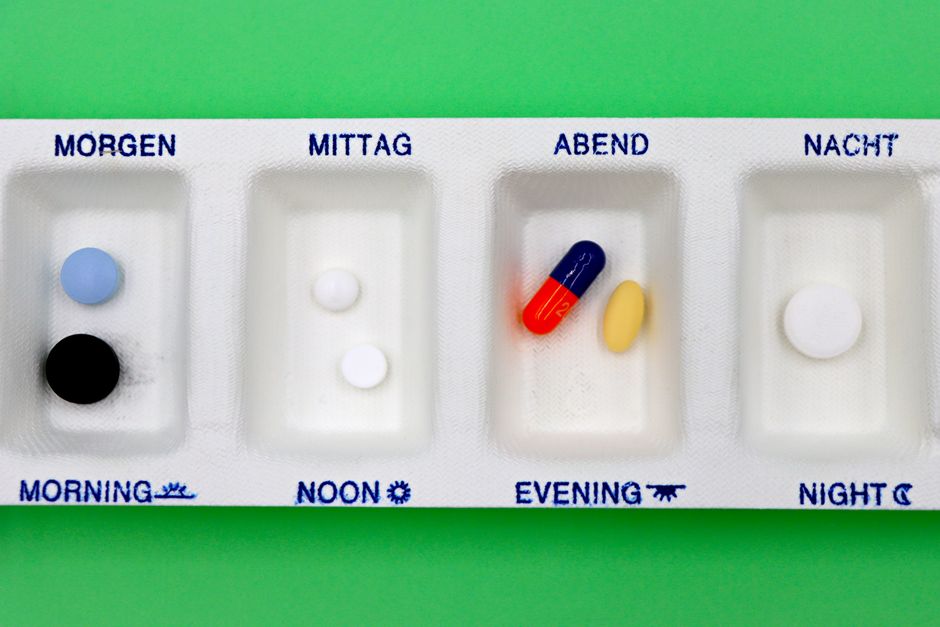
- Use a pill organizer: A simple weekly pill box with day and time compartments removes the guesswork of whether you’ve already taken a dose.
- Set phone alarms or reminders: A recurring alarm labeled with the medication name is a low-effort way to stay on schedule, especially for twice-daily extended-release dosing.
- Pair doses with daily habits: Taking medication alongside an existing routine, like brushing your teeth or eating a meal, creates a natural cue that’s easy to remember.
- Keep a simple medication log: Writing down the date and time of each dose, even in a basic notebook or notes app, helps you track patterns and quickly confirm whether you’ve already taken your dose that day.
- Store medication somewhere visible but secure: Keeping it in a consistent, easy-to-remember (but properly locked) location reduces the chances of it being overlooked entirely.
- Communicate schedule conflicts early: If travel, work shifts, or other disruptions are likely to interfere with your dosing schedule, talk to your doctor in advance about how to adjust safely.
These small systems may seem minor, but for medications like oxycodone, where timing directly affects both effectiveness and safety, they can meaningfully reduce the frequency of missed or doubled doses.
When to Call Your Doctor or Seek Medical Help
While a single missed dose is rarely an emergency, there are situations where you should reach out to your prescriber or seek medical attention:
- You’ve missed more than one dose in a row and aren’t sure how to safely resume your schedule.
- Your pain has become severe or unmanageable after a missed dose, even once you’ve resumed your regular schedule.
- You’re experiencing withdrawal-like symptoms that feel intense or are getting worse rather than better.
- You accidentally took an extra dose to compensate and are now experiencing symptoms like excessive drowsiness, confusion, slowed breathing, or difficulty staying awake.
- You’re unsure whether you already took your dose and are worried about accidentally duplicating it.
If you or someone else shows signs of an opioid overdose after taking extra medication, such as slow or shallow breathing, blue-tinged lips or fingertips, extreme drowsiness, or unresponsiveness, this is a medical emergency. Call emergency services immediately. If naloxone is available, it should be administered right away while waiting for help to arrive.
For non-emergency questions, such as general uncertainty about how to handle a missed dose, your pharmacist is often one of the fastest and most accessible resources. Pharmacists are trained specifically in medication timing and interactions, and most are happy to answer quick questions over the phone, according to guidance published by Drugs.com’s oxycodone medication reference.
Frequently Asked Questions
Is it dangerous to skip an oxycodone dose entirely?
Skipping a single dose is generally not dangerous from a safety standpoint, though it may cause your pain to return temporarily. The bigger safety concern is usually what people do in response to a missed dose, such as taking a double dose to compensate, rather than the missed dose itself.
What if I miss two doses of extended-release oxycodone in a row?
If you’ve missed two or more doses of extended-release oxycodone, contact your doctor or pharmacist before resuming your regular schedule. Missing multiple doses can lower your tolerance somewhat, meaning your usual dose might feel stronger than expected when you restart, and your prescriber can advise on the safest way to get back on track.
Can missing doses cause withdrawal symptoms?
Yes, particularly if you’ve been taking oxycodone consistently for weeks or months. Physical dependence can develop even with appropriate medical use, and missing a dose after long-term use can sometimes trigger mild, short-lived withdrawal-like symptoms such as sweating, restlessness, or muscle aches.
Should I take my missed dose late at night if I remember right before bed?
It depends on how close it is to your next scheduled dose and which formulation you’re taking. If it’s close to your next dose time, it’s generally safer to skip the missed one and resume your normal schedule rather than taking two doses within a short window, especially overnight when slowed breathing from opioid use is harder to notice.
Will missing a dose show up on a drug test?
Missing a dose doesn’t cause a positive result to appear, but it can affect how long oxycodone remains detectable, since blood levels drop as time passes without a dose. If you’re curious about detection windows, our guide on oxycodone drug test cutoff levels explains how timing and dosing patterns influence test results.
The Bottom Line
Missing an oxycodone dose is a common, generally manageable situation rather than a crisis, as long as you respond to it calmly and correctly. The most important rule to remember is simple: never double up to catch up. Whether you’re on immediate-release or extended-release oxycodone, the safest path forward is almost always to take the missed dose if it’s still reasonably close to when it was due, or skip it and resume your normal schedule if your next dose is coming up soon.
That said, a missed dose here and there is worth paying attention to, not because one slip is dangerous, but because a consistent pattern of missed doses can undermine your pain control, confuse your treatment plan, and in some cases signal an underlying issue worth discussing with your doctor. Building small, reliable habits around your medication schedule, and knowing exactly when to reach out for professional guidance, can make oxycodone therapy both safer and more effective over the long run. When in doubt, your pharmacist or prescribing doctor is always the best resource for a decision tailored specifically to your health history and current treatment plan.