
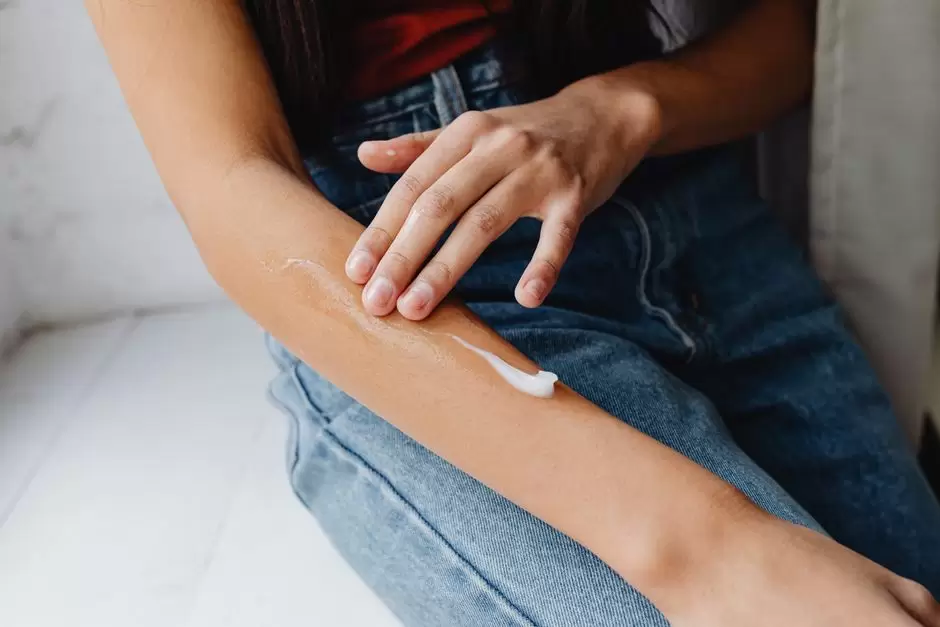
If you’ve ever taken oxycodone for pain relief and suddenly found yourself scratching your arms, face, or torso, you’re not imagining things and you’re definitely not alone. Oxycodone itching is one of the most common, yet least talked about, side effects of opioid pain medication. In this article, you’ll learn exactly why oxycodone makes you itchy, what’s happening inside your body when it does, how to tell normal itching apart from a dangerous allergic reaction, and practical ways to find relief without giving up your pain control.
This is a genuine physiological reaction, not a sign that something is wrong with you personally. Understanding the mechanism behind it can help you manage the symptom, decide when it’s worth a call to your doctor, and feel less anxious the next time it happens.
Why Does Oxycodone Make You Itchy? The Short Answer
Oxycodone makes many people itchy because it triggers the release of histamine from specialized immune cells called mast cells, and it also interacts directly with opioid receptors in the skin and central nervous system that are involved in itch sensation. This combination, known medically as opioid-induced pruritus, is a well-documented and fairly common reaction to oxycodone and other opioid medications, even in people who have no history of allergies.
In other words, the itching is usually a pharmacological side effect rather than a true allergic response. That distinction matters a lot, because it changes how worried you should be and how the itch should be treated.
The Science Behind Opioid-Induced Itching
To understand why oxycodone causes itching, it helps to know a little about how opioids work in the body. Oxycodone is a semi-synthetic opioid that binds primarily to mu-opioid receptors, which are found throughout the brain, spinal cord, gut, and skin. These receptors are responsible for the pain relief oxycodone provides, but they also play a role in a separate itch-signaling pathway in the nervous system.
Researchers have identified specific mu-opioid receptor subtypes and a related receptor called MRGPRX2 that appear to be directly involved in opioid-induced itch, independent of any allergic mechanism. When oxycodone activates these receptors, it can trigger an itch sensation the same way it triggers pain relief, essentially as a side effect of the drug doing exactly what it’s designed to do.
Histamine Release vs Opioid Receptor Activation
There are actually two separate processes that can cause oxycodone itching, and they sometimes overlap:
- Histamine release: Oxycodone can cause mast cells in the skin to release histamine, the same chemical involved in allergic reactions and insect bites. This is called a non-immune, non-IgE-mediated histamine release, meaning your immune system isn’t actually attacking the drug, but histamine still gets released and causes itching, flushing, or hives.
- Direct opioid receptor activation: Separately, oxycodone can stimulate itch-specific pathways in the central nervous system and skin without any histamine involvement at all. This explains why antihistamines don’t always fully resolve opioid-induced itching for everyone.
According to information published by the Mayo Clinic, itching is listed among the recognized side effects of oxycodone and other opioid pain relievers, even when taken exactly as prescribed. This reinforces that the symptom is a known pharmacological effect rather than a rare or unusual reaction.
Who Is More Likely to Experience Oxycodone Itching?
Not everyone who takes oxycodone develops itching, and the reasons for individual variation aren’t fully understood. However, certain factors do appear to increase the likelihood of this side effect.
- Dose size: Higher doses of oxycodone tend to release more histamine and stimulate opioid receptors more strongly, which can increase the intensity of itching.
- Route of administration: Itching tends to be more common and more intense with intravenous or intraspinal opioid administration than with oral oxycodone, though oral forms can still cause it.
- Individual mast cell sensitivity: Some people simply have mast cells that release histamine more readily than others, which is why two people can take the exact same dose and only one of them itches.
- First-time opioid use: People who are opioid-naive, meaning they haven’t built any tolerance to opioids, often report more noticeable itching than people who have taken opioids regularly over time.
- Genetics: Emerging research suggests genetic variation in opioid receptors may make some individuals more prone to itch reactions than others.
If you’ve noticed that your itching seems worse after a dose increase, that’s consistent with what researchers understand about the dose-dependent nature of this side effect.
Common Symptoms of Oxycodone-Induced Itching
Opioid-induced pruritus can show up in a few different ways. Recognizing the typical pattern can help you feel more confident that what you’re experiencing is a known side effect rather than something more serious.
- Itching localized to the face, nose, or chest, which is a particularly common pattern with opioid use
- Generalized itching over larger areas of the body, including the arms, legs, and back
- Mild flushing or pink, warm-feeling skin without a raised rash
- A prickling or crawling sensation under the skin
- Itching that appears shortly after taking a dose and gradually fades as the medication wears off
Itching often appears within the first hour after taking oxycodone, particularly with immediate-release formulations, and it may fade as blood levels of the drug decline. If you want to understand how oxycodone levels rise and fall in your system over time, our guide on oxycodone half-life and how long it stays active breaks down that timeline in detail.
Is Itching From Oxycodone Dangerous, or Just Annoying?
For the vast majority of people, oxycodone-induced itching is uncomfortable but not medically dangerous. It’s considered a nuisance side effect rather than a sign of toxicity or organ damage. That said, persistent scratching can lead to skin irritation, broken skin, or secondary infection if it isn’t managed, so it’s worth addressing even when it isn’t an emergency.
Itching becomes more concerning when it appears alongside other symptoms that suggest a true allergic reaction or a more serious opioid-related complication. We’ll cover exactly what those warning signs look like in the next section.
Itching vs Allergic Reaction: How to Tell the Difference
This is probably the most important distinction to understand, because a simple histamine-related itch and a genuine allergic reaction require very different responses. Many people mistakenly believe they are having an allergic reaction to oxycodone when what they’re actually experiencing is a normal, non-allergic histamine response. The two can look similar on the surface, especially in the first few minutes, but understanding the difference can help you know when to simply manage the itch at home and when to seek immediate medical attention.
Non-allergic, opioid-induced itching typically stays limited to the skin. It tends to be generalized (affecting the whole body) or concentrated around the face, chest, and nose, and it usually shows up without any other symptoms. You might feel warm, a little flushed, or notice mild redness, but breathing, heart rate, and blood pressure stay normal. This type of itching is uncomfortable, but the body isn’t in distress.
A true drug allergy, on the other hand, involves the immune system mounting a defensive response against oxycodone as though it were a threat. This is a much less common reaction, but it’s also more serious, and it can escalate quickly. Below is a simple side-by-side comparison to help you tell the two apart.
Non-Allergic Itching (Common, Usually Harmless)
- Itching limited to the skin, often on the face, chest, or torso
- No swelling of the lips, tongue, throat, or face
- Breathing remains normal and unlabored
- No hives or widespread rash, though some mild flushing may occur
- Symptoms fade on their own as the dose wears off
- You feel otherwise normal aside from the itch
True Allergic Reaction (Rare, Requires Medical Attention)
- Hives or a raised, blotchy rash that spreads beyond the injection or ingestion site
- Swelling of the face, lips, tongue, or throat
- Difficulty breathing, wheezing, or a tight feeling in the chest
- Rapid or irregular heartbeat
- Dizziness, fainting, or a sudden drop in blood pressure
- Nausea, vomiting, or abdominal cramping that comes on suddenly alongside skin symptoms
- A sense of impending doom or severe anxiety that feels out of proportion to the itching itself
Signs of a True Oxycodone Allergy
A genuine allergic reaction to oxycodone is uncommon, but it does happen, and it can range from mild to life-threatening. Mild allergic symptoms might include a localized rash or hives that don’t spread. Moderate reactions can involve more widespread hives, facial swelling, or gastrointestinal upset. The most severe form, anaphylaxis, is a medical emergency that can involve airway swelling, a dangerous drop in blood pressure, and loss of consciousness within minutes of exposure.
According to Mayo Clinic’s overview of drug allergies, symptoms of a true drug allergy often appear within an hour of taking a medication, though delayed reactions are also possible. If you notice any combination of swelling, breathing difficulty, or a rapidly spreading rash after taking oxycodone, that’s a signal to stop treating it as ordinary itching and start treating it as a potential emergency.
When to Seek Emergency Care
Call 911 or go to the nearest emergency room immediately if you experience any of the following after taking oxycodone:
- Swelling of the face, lips, tongue, or throat
- Trouble breathing, wheezing, or a feeling that your throat is closing
- Widespread hives combined with dizziness or fainting
- A racing or irregular heartbeat along with skin symptoms
- Bluish lips or fingertips, extreme drowsiness, or slowed breathing (these can indicate opioid overdose rather than allergy and require emergency naloxone)
If the itching is mild, localized, and you feel otherwise well, it’s reasonable to try home management first and mention it to your doctor at your next opportunity. But when in doubt, especially the first time you take a new opioid, it’s always safer to have symptoms evaluated than to assume the best.
Why Am I More Prone to Itching Than Other People?
If you’ve noticed that you get noticeably itchier from oxycodone than a friend or family member does on the same dose, you’re not imagining it. Several factors influence how strongly someone reacts to opioid-induced histamine release, and they can vary a lot from person to person.
Genetics and Opioid Receptor Sensitivity
Not everyone’s mu-opioid receptors behave the same way. Some people have genetic variations that make these receptors more sensitive to activation, which in turn triggers a stronger mast cell response and more histamine release. This is part of why itching can run in families or why some people react to nearly every opioid they try, while others rarely notice it at all.
Dose and Route of Administration
Higher doses of oxycodone generally produce more histamine release, which means itching tends to become more noticeable as dosing increases. The way the medication is taken matters too. Intravenous administration, which is more common in hospital settings, tends to cause a faster and more intense histamine surge than oral tablets or capsules, since the drug reaches peak concentration in the bloodstream almost immediately. If you’re curious about how different oxycodone strengths compare and how dosing relates to intensity of effects, our guide to oxycodone strengths from 5 mg to 30 mg offers a helpful breakdown.
Skin Type and Pre-Existing Conditions
People with naturally dry skin, eczema, psoriasis, or other dermatological conditions often report more intense itching from opioids because their skin barrier is already compromised or their mast cells are more reactive at baseline. Dehydration can amplify this further, since dry, tight skin is more prone to irritation regardless of the underlying cause.
Liver and Kidney Function
Because oxycodone is metabolized by the liver and its byproducts are cleared through the kidneys, anyone with reduced liver or kidney function may process the drug more slowly. This can lead to higher circulating levels of oxycodone and its metabolites for longer stretches of time, which may translate into more prolonged or more intense itching sessions after each dose.
Other Possible Causes of Itching While Taking Oxycodone
Histamine release is the most common explanation, but it isn’t the only one. If your itching seems unusual, persistent, or doesn’t match the typical pattern described earlier, consider these other possibilities.
Simple Dry Skin or Dehydration
Opioids can reduce the urge to drink fluids and, in some cases, contribute to mild dehydration, which dries out the skin and makes it itchier regardless of any histamine effect. This is especially common in people who are also dealing with nausea or reduced appetite while on the medication.
Drug Interactions
If you’re taking oxycodone alongside other medications, particularly other drugs known to cause itching or affect histamine levels (like certain antibiotics, blood pressure medications, or other opioids), the combined effect could be stronger than what oxycodone would cause on its own. Always review your full medication list with your pharmacist or prescriber if new itching develops after starting a second medication.
Underlying Liver Disease
Itching is also a well-known symptom of liver conditions, including cholestasis, where bile flow is impaired. Because oxycodone is processed by the liver, an underlying liver issue could contribute to itching independent of the opioid itself. If itching is severe, doesn’t improve, or is accompanied by yellowing skin or eyes, dark urine, or unusual fatigue, it’s worth having your liver function checked.
Withdrawal-Related Skin Sensations
Interestingly, itching and unusual skin sensations, sometimes described as tingling, crawling, or prickling, can also show up during opioid withdrawal rather than just active use. This happens as the nervous system recalibrates after the drug leaves the body. If you’re tapering off oxycodone or have missed doses and are noticing new skin symptoms, our articles on the early signs of oxycodone withdrawal and the day-by-day oxycodone withdrawal timeline can help you understand whether what you’re feeling fits a withdrawal pattern rather than a medication side effect.
How to Relieve Oxycodone-Induced Itching at Home
For most people, mild to moderate opioid-induced itching can be managed effectively without stopping the medication or making an emergency trip to the doctor. Here are strategies that are commonly recommended for calming this type of itch.
Cool Compresses and Cool Showers
Heat tends to make histamine-related itching worse, so applying a cool, damp washcloth to itchy areas or taking a lukewarm (not hot) shower can bring quick relief. Avoid very hot water, which can dilate blood vessels near the skin’s surface and intensify the sensation.
Oatmeal Baths and Fragrance-Free Moisturizers
Colloidal oatmeal baths are a long-standing home remedy for itchy skin because oatmeal has natural anti-inflammatory properties. Following up with a fragrance-free, hypoallergenic moisturizer can help repair the skin barrier and reduce the urge to scratch, especially if dry skin is contributing to the problem.
Loose, Breathable Clothing
Tight clothing made from synthetic fabrics can trap heat and irritate already-sensitive skin. Switching to loose-fitting, breathable cotton clothing while the itching is active can make a noticeable difference, particularly if the itch is concentrated on the torso or chest.
Staying Hydrated
Since dehydration can worsen itching, drinking enough water throughout the day supports healthier skin and may reduce the intensity of the reaction. This is a simple step that’s easy to overlook but genuinely helpful.
Over-the-Counter Antihistamines
Because the itching is driven by histamine release, over-the-counter antihistamines like diphenhydramine (Benadryl) or cetirizine (Zyrtec) can directly target the root cause. Diphenhydramine works quickly but causes drowsiness, which can be useful if the itching is disrupting sleep, but should be used cautiously since combining it with an opioid can increase sedation. Non-drowsy options like cetirizine or loratadine are gentler alternatives for daytime use. Always check with your doctor or pharmacist before combining antihistamines with oxycodone to make sure it’s appropriate for your specific situation.
Medical Treatments Your Doctor Might Recommend
If home remedies aren’t enough, or if the itching is significant enough to affect your quality of life or your willingness to take a necessary pain medication, there are several options your prescriber may consider.
Prescription-Strength Antihistamines
In cases where over-the-counter antihistamines aren’t sufficiently effective, a doctor may prescribe a stronger antihistamine or a different class of medication that blocks histamine receptors more effectively.
Dose Adjustment
Since itching often correlates with dose size, your doctor might consider lowering your oxycodone dose, if that’s clinically appropriate for your pain management needs, or splitting a larger dose into smaller, more frequent doses to reduce peak drug concentrations. Our oxycodone dosage chart outlines the range of available strengths and formulations, which can be a useful reference when discussing adjustment options with your provider.
Switching to a Different Opioid
Not all opioids release histamine at the same rate. If itching remains a persistent problem despite dose adjustments and antihistamine use, your doctor may suggest switching to an opioid less associated with histamine release, such as fentanyl or oxymorphone, which tend to cause less itching than morphine and, to a lesser degree, oxycodone.
Low-Dose Opioid Antagonists
In more specialized or severe cases, particularly in hospital settings, very low doses of opioid antagonists like naloxone have been used to blunt itching without fully reversing pain relief. This is a more advanced approach typically reserved for cases where standard measures haven’t worked, and it requires close medical supervision.
Does Oxycodone Itching Go Away Over Time?
For many people, yes. As the body becomes accustomed to a stable dose of oxycodone, some tolerance to the histamine-releasing effect can develop, meaning itching that was bothersome in the first few days of treatment often fades over one to two weeks. This mirrors what happens with other common opioid side effects, like drowsiness, which is discussed in more detail in our guide on how long oxycodone makes you sleep and how that changes with continued use.
That said, tolerance to itching doesn’t develop for everyone, and some individuals continue to experience it every time they take a dose, especially if the dose is increased. If itching hasn’t improved after a couple of weeks of consistent use, it’s worth revisiting the issue with your prescriber rather than assuming it will eventually resolve on its own.
Itching and Oxycodone Withdrawal: What’s the Connection
It might seem counterintuitive, but itching and unusual skin sensations can appear both while oxycodone is active in your system and during withdrawal, when the drug is leaving your system. During withdrawal, the nervous system, which has adapted to the presence of the opioid, becomes temporarily hyperactive as it readjusts. This can produce goosebumps, sweating, and skin sensitivity that some people describe as itchy or crawling, alongside more classic withdrawal symptoms like anxiety, muscle aches, and gastrointestinal distress.
If you’re tapering off oxycodone under medical guidance, or if you’ve unexpectedly run out of a prescription, understanding the full withdrawal picture can help you distinguish ordinary medication side effects from withdrawal symptoms. Our comprehensive guide to how long oxycodone withdrawal lasts walks through what to expect at each stage, which can be reassuring if you’re trying to figure out whether new itching is related to withdrawal timing.
Comparing Oxycodone to Other Opioids for Itch Risk
Itching risk isn’t uniform across all opioid medications. Research and clinical experience have shown that some opioids are considerably more likely to trigger histamine release than others.
- Morphine is generally considered one of the strongest histamine releasers among commonly prescribed opioids, which is why itching is such a well-known and frequently discussed side effect of morphine specifically.
- Oxycodone causes histamine release too, but typically to a lesser degree than morphine, which is part of why some people who itch badly on morphine tolerate oxycodone more comfortably.
- Hydrocodone sits in a similar category to oxycodone, with itching reported but usually less intense than with morphine.
- Fentanyl is a synthetic opioid that’s associated with comparatively less histamine release, which is one reason it’s sometimes chosen for patients who’ve had significant itching problems with other opioids.
- Oxymorphone and other newer synthetic opioids also tend to cause less itching, though individual responses still vary widely.
This variability is exactly why opioid rotation, switching from one opioid to another, is a legitimate medical strategy when side effects like itching become difficult to manage. It’s not a sign that anything is wrong with you; it simply reflects the fact that different opioids interact with the body’s mast cells and receptors in slightly different ways.
Tips for Preventing Itching Before It Starts
If you know you’re prone to opioid-induced itching, or you’re about to start oxycodone for the first time, a few proactive steps can reduce the likelihood of a significant reaction.
- Stay well-hydrated throughout your course of treatment
- Use a gentle, fragrance-free moisturizer daily to keep your skin barrier healthy
- Avoid hot showers or baths immediately before or after taking your dose
- Ask your doctor whether taking an antihistamine alongside your first few doses makes sense for your situation
- Take note of how your body reacts to your very first dose so you have a baseline for comparison if symptoms change later
- Avoid alcohol, which can independently trigger flushing and itching and may amplify the effect when combined with oxycodone
When to Talk to Your Doctor About Itching
Mild, occasional itching that responds to home remedies usually doesn’t require an urgent conversation, though it’s still worth mentioning at your next scheduled appointment. However, you should reach out to your doctor sooner rather than later if:
- The itching is severe enough to interfere with sleep or daily activities
- Antihistamines and home remedies aren’t providing meaningful relief
- The itching is getting worse over time instead of improving
- You notice skin changes like open sores, thickened skin, or signs of infection from scratching
- You’re considering stopping oxycodone on your own because of the itching (this should always be discussed with a doctor first, since abruptly stopping opioids can trigger withdrawal)
- You develop any symptoms that could indicate a true allergic reaction, as outlined earlier in this article
Your doctor has multiple tools available, from antihistamines to dose adjustments to opioid rotation, and none of them require you to just tough it out indefinitely. Persistent itching is a valid medical concern, not something you need to accept as an unavoidable cost of pain relief.
Frequently Asked Questions
Is it normal to itch all over after taking oxycodone?
Yes, generalized itching, sometimes affecting the whole body rather than one specific spot, is a well-documented and common reaction to oxycodone. It’s caused by histamine release rather than a true allergy in most cases, and it typically fades as the medication’s effects wear off.
Can I take Benadryl with oxycodone for itching?
Many people do use diphenhydramine (Benadryl) to manage opioid-induced itching, but it’s important to check with your doctor or pharmacist first, since both oxycodone and diphenhydramine can cause drowsiness, and combining them increases sedation and the risk of slowed breathing. A non-drowsy antihistamine may be a safer daytime option in some cases.
Does itching mean oxycodone is working?
Not exactly, but the two are related. Itching happens because oxycodone is activating opioid receptors and triggering histamine release, the same basic mechanism that also produces pain relief. So while itching itself isn’t a measure of effectiveness, its presence does confirm that the medication is actively engaging with your body’s opioid receptors.
Will switching to a different opioid stop the itching?
It might. Opioids vary in how much histamine release they trigger, with morphine generally causing the most and synthetic opioids like fentanyl typically causing less. If itching remains a persistent problem on oxycodone despite other management strategies, your doctor may discuss switching to an alternative opioid with a lower itch profile.
How long does oxycodone itching usually last?
For most people, itching from a single dose peaks within the first hour or so and fades over the next few hours as blood levels decline. If you’re taking oxycodone regularly, some people find that itching lessens over the first one to two weeks as tolerance develops, though this isn’t guaranteed for everyone.
Conclusion
Itching after taking oxycodone is one of those side effects that catches a lot of people off guard, mostly because it isn’t as widely discussed as drowsiness or nausea, even though it’s just as common. In the vast majority of cases, it comes down to a straightforward biological process: oxycodone activates opioid receptors in a way that triggers mast cells to release histamine, and that histamine is what makes your skin crawl, flush, or prickle. It’s uncomfortable, but for most people it’s manageable with simple steps like cool compresses, moisturizer, hydration, and, when appropriate, an antihistamine.
The key is knowing the difference between this common, non-allergic itch and the rarer but more serious signs of a true allergic reaction, which can involve swelling, breathing trouble, or a rapidly spreading rash and require immediate medical attention. If your itching is persistent, worsening, or affecting your quality of life, don’t hesitate to bring it up with your doctor. There are real options, from dose adjustments to opioid rotation to targeted antihistamine use, that can make your treatment far more comfortable without compromising the pain relief you need.
Frequently Asked Questions
Is itching from oxycodone a sign of an allergy?
Not usually. Most itching caused by oxycodone is a direct, non-allergic reaction triggered by histamine release from opioid receptor activation. A true allergy involves your immune system and typically comes with additional symptoms like hives that spread rapidly, facial or throat swelling, wheezing, or difficulty breathing. If you only have localized or mild generalized itching without those other symptoms, it’s far more likely to be the common histamine-related reaction rather than a genuine allergy.
Does everyone who takes oxycodone get itchy?
No. Itching is a well-documented side effect, but it doesn’t affect everyone the same way. Some people notice it after their very first dose, others never experience it at all, and some only get it when doses are increased. Individual sensitivity to histamine release, skin type, hydration levels, and even genetics can all play a role in who ends up dealing with this particular side effect.
Can I take Benadryl every time I take oxycodone to prevent itching?
Occasional use of an antihistamine like diphenhydramine (Benadryl) is generally considered safe for most adults, but you should always check with your doctor or pharmacist before combining it regularly with oxycodone. Both substances can cause drowsiness and slow breathing, so stacking them daily may increase sedation and other risks, especially in older adults or anyone with respiratory issues. Your doctor may recommend a non-drowsy antihistamine instead, or suggest adjusting your oxycodone regimen if itching is a recurring problem.
Will switching to a different opioid stop the itching?
For many people, yes. Because different opioids vary in how strongly they trigger mast cell degranulation, switching to an alternative like hydromorphone or fentanyl (a process called opioid rotation) can significantly reduce or even eliminate itching for some patients. This isn’t something to try on your own, though. Any change to your pain medication should be supervised by your prescribing doctor, since dosing equivalents between opioids aren’t always straightforward.
How long does oxycodone-related itching typically last?
For a single dose, itching usually peaks within the first hour or two and fades as the drug’s blood levels decline, generally resolving within four to six hours. If you’re on a regular dosing schedule, some people notice the itching becomes less intense over the first couple of weeks as their body adjusts, though this pattern isn’t universal. If you’re curious about how long the drug itself remains active in your system, our guide on oxycodone’s half-life breaks down the timeline in more detail.
A Quick Word on Other Side Effects
Itching rarely shows up in isolation. It’s common for it to appear alongside other opioid-related effects like flushing, mild sweating, or drowsiness, since all of these stem from related physiological responses to the drug. If you’ve noticed you’re sweating more than usual in addition to feeling itchy, you’re not imagining a connection. We cover that overlap in more detail in our article on whether oxycodone can cause sweating, which explains the shared mechanisms behind these two side effects. Recognizing that these symptoms often travel together can help you have a more complete conversation with your doctor about your overall experience on the medication, rather than addressing each symptom as an isolated issue.
It’s also worth remembering that if you ever stop taking oxycodone after regular use, your body will need time to readjust, and that transition can bring its own set of symptoms unrelated to the itching discussed here. If you’re navigating that process, our guide on the early signs of oxycodone withdrawal can help you understand what to expect and when to reach out for support.
For additional general information on opioid side effects and safe medication use, resources like Mayo Clinic and Drugs.com offer well-reviewed, regularly updated medical information that can complement what your prescribing doctor tells you. These shouldn’t replace personalized medical advice, but they’re solid starting points if you want to read more about how opioids interact with the body.
At the end of the day, itching after taking oxycodone is uncomfortable but usually not dangerous, and understanding why it happens takes a lot of the anxiety out of the experience. Pay attention to your body, use the simple relief strategies outlined above, and keep your healthcare provider in the loop, especially if the itching is severe, persistent, or paired with any warning signs of a true allergic reaction. With the right approach, you shouldn’t have to choose between effective pain relief and reasonable comfort.