
Pain doesn’t follow a schedule, but medication timing matters more than most people realize. If you’ve ever wondered about the best time to take oxycodone for pain relief, you’re asking the right question. Timing your dose correctly can mean the difference between steady, manageable comfort and a frustrating cycle of pain breakthroughs followed by drowsy overcorrection.
In this guide, you’ll learn how oxycodone actually works in your body, how immediate-release and extended-release formulations differ in timing, how meals and other medications affect absorption, and how to build a dosing routine that keeps pain under control without compromising your safety or daily function. We’ll also cover common mistakes people make with timing and when it’s time to talk to your doctor about adjusting your schedule.
Why Timing Matters When Taking Oxycodone
Oxycodone is a powerful opioid analgesic prescribed for moderate to severe pain. Unlike over-the-counter pain relievers, it has a fairly narrow window of peak effectiveness, and its benefits fade predictably as the drug clears your system. As a result, dosing at the wrong time can leave you either under-medicated during a pain flare or unnecessarily sedated when you don’t need it.
Getting the timing right isn’t just about comfort. It also reduces the risk of taking extra, unscheduled doses out of desperation, which is one of the most common paths toward tolerance and dependence. In addition, consistent timing helps your body maintain more stable blood levels of the medication, which tends to produce smoother pain control with fewer peaks and valleys.
How Oxycodone Works in the Body
To understand the best time to take oxycodone, it helps to know what happens after you swallow a pill. Oxycodone is absorbed through the digestive tract and enters the bloodstream, where it binds to opioid receptors in the brain and spinal cord to blunt the perception of pain.
Onset of Action
Immediate-release oxycodone typically begins working within 15 to 30 minutes, with peak pain relief occurring around one hour after ingestion. Extended-release formulations, such as OxyContin, are designed to release the medication slowly over 12 hours, so the onset is more gradual and the peak effect is less pronounced but longer lasting.
Duration and Half-Life
The half-life of immediate-release oxycodone is roughly 3 to 4 hours, meaning that’s how long it takes for half the drug to clear your system. Clinically, this translates into about 4 to 6 hours of meaningful pain relief before another dose is typically needed. Extended-release versions are formulated to maintain therapeutic levels for approximately 12 hours, which is why they’re usually dosed twice daily.
According to the Mayo Clinic, individual metabolism, liver function, age, and body composition all influence how quickly oxycodone is processed, which is why two people on the same dose can experience very different timing needs.
Best Time to Take Oxycodone: Immediate-Release vs Extended-Release
The best time to take oxycodone depends heavily on which formulation you’ve been prescribed. These two versions serve very different purposes, and mixing up their timing strategies can undermine your pain control.
Immediate-Release Oxycodone
Immediate-release oxycodone is meant for acute pain or breakthrough pain, situations where you need relief relatively quickly and for a shorter duration. Because it acts fast and wears off within several hours, the best strategy is to take it:
- At the first sign of pain building, rather than waiting until it becomes severe
- On a consistent schedule if you have predictable, recurring pain (such as every 4 to 6 hours as prescribed)
- Before activities known to trigger pain, such as physical therapy or a long car ride
Waiting until pain is at its worst before taking a dose often means you need more medication to catch up, and it takes longer to feel relief. Staying slightly ahead of the pain curve, within your prescribed limits, tends to produce better outcomes than reactive dosing.
Extended-Release Oxycodone
Extended-release oxycodone is intended for around-the-clock pain management in patients who need continuous coverage, such as those with chronic pain conditions. Because it’s designed to release steadily over 12 hours, timing consistency is critical. Most people do best taking it:
- At the same two times every day, roughly 12 hours apart (for example, 8 a.m. and 8 p.m.)
- Without crushing, chewing, or splitting the tablet, which can cause the entire dose to release at once
- With enough buffer time before bed so that the medication’s peak effect doesn’t coincide with deep sleep, which can increase respiratory risk
Extended-release oxycodone should never be used for sudden or breakthrough pain because it doesn’t act fast enough to address an acute flare. If your extended-release dose isn’t controlling pain between doses, that’s a conversation for your prescriber, not a reason to take an extra tablet.
Should You Take Oxycodone in the Morning or at Night?
This is one of the most common questions patients ask, and the honest answer is that it depends on your pain pattern, your daily responsibilities, and how the medication affects you personally.
Morning Dosing
Many people find that taking their first dose of the day shortly after waking helps them get moving without being slowed down by stiffness or pain, particularly if they have arthritis or musculoskeletal conditions that worsen overnight. Morning dosing also allows you to gauge how alert and clear-headed you feel before starting tasks like driving or work.
Nighttime Dosing
Taking oxycodone at night can help some patients sleep through pain that would otherwise wake them up. However, nighttime use also carries specific risks, including slowed breathing during sleep, especially when combined with other sedatives. If you’re considering this approach, it’s worth reading our detailed guide on whether you should take oxycodone at night before making it part of your routine.
In general, if you’re on a twice-daily extended-release schedule, spacing doses evenly (for example, 7 a.m. and 7 p.m.) tends to work better than clustering both doses toward evening, since it maintains more consistent blood levels throughout a full 24-hour cycle.
Taking Oxycodone With or Without Food
Food timing is another factor that influences both how oxycodone feels and how well it works.
Effects of Food on Absorption
Taking oxycodone with food can slightly delay the time it takes to reach peak blood concentration, but it doesn’t significantly change the total amount absorbed. For many patients, taking the medication with a small snack or meal reduces nausea, which is one of the more common side effects, especially early in treatment. If nausea has been an issue for you, our article on oxycodone nausea causes and relief tips offers practical strategies.
Empty Stomach Considerations
Taking oxycodone on an empty stomach can lead to faster onset of relief, which some patients prefer for breakthrough pain. However, this approach also increases the likelihood of stomach upset for people prone to gastrointestinal sensitivity. There’s no universally correct answer for every patient, so it often comes down to trial and observation. If you find that oxycodone on an empty stomach causes discomfort, pairing it with a light snack like crackers or toast is usually enough to settle your stomach without meaningfully dulling the medication’s effectiveness.
Consistency Matters More Than the Choice Itself
What matters most is picking one approach and sticking with it. If you always take oxycodone with breakfast, continue doing so every day rather than alternating between fed and fasted states. This consistency helps your body establish a predictable absorption pattern, which in turn makes your pain relief more reliable and easier to plan around. Erratic timing relative to meals can create small fluctuations in how quickly the medication kicks in, which may feel like the drug is “working differently” from day to day even though the dose hasn’t changed.
Timing Oxycodone Around Daily Activities
Because oxycodone can cause drowsiness, slowed reaction time, and impaired coordination, when you take it in relation to your daily schedule matters just as much as the clock time itself.
Before Work or Driving
If your job or daily routine involves driving, operating machinery, or tasks requiring sharp focus, it’s wise to time your dose so the peak sedative effect doesn’t coincide with those activities. For immediate-release oxycodone, this typically means avoiding doses within an hour or two of getting behind the wheel, since drowsiness tends to peak around 60 to 90 minutes after taking the medication. Extended-release formulations produce steadier, less intense sedation, but caution is still warranted, especially in the first few weeks of treatment before your body adjusts.
Before Physical Activity or Exercise
Many people are prescribed oxycodone specifically to manage pain that limits mobility, such as after surgery or during flare-ups of chronic conditions. In these cases, timing a dose 30 to 45 minutes before physical therapy, stretching, or light exercise can make movement more tolerable and help you get more out of rehabilitation sessions. Just be mindful that reduced pain sensation can sometimes mask overexertion, so it’s important to follow your physical therapist’s guidance on activity limits even if you feel less discomfort than usual.
Before Sleep
For patients who experience pain that worsens at night or disrupts sleep, taking a dose shortly before bed can be helpful. However, combining oxycodone with the natural drop in respiratory rate that occurs during sleep raises the risk of breathing complications, particularly at higher doses or when combined with other sedating substances. If nighttime dosing is part of your regimen, review our guide on taking oxycodone at night for safety considerations specific to that scenario.
Timing Oxycodone With Other Medications
Most patients managing significant pain aren’t taking oxycodone in isolation. Understanding how timing interacts with other medications in your regimen can improve both safety and effectiveness.
Combining With Non-Opioid Pain Relievers
Many pain management plans use oxycodone alongside over-the-counter or prescription non-opioid medications to provide more complete relief while allowing for lower opioid doses. For example, some patients alternate or combine oxycodone with acetaminophen-based products, and our article on taking Tylenol with oxycodone explains how to space these medications safely. Others use anti-inflammatory drugs like ibuprofen or naproxen; our guides on combining ibuprofen with oxycodone and taking naproxen with oxycodone walk through appropriate timing and dosage spacing for each combination.
Combining With Nerve Pain Medications
Patients dealing with neuropathic pain are sometimes prescribed oxycodone in conjunction with medications like gabapentin. Because both drugs can cause sedation, timing them to avoid overlapping peak effects, or at least being aware that the combined sedative load will be stronger, is important for safety. Our resource on pain medications that can be taken with gabapentin covers this interaction in more depth, and our article on whether oxycodone helps with nerve pain explains how it fits into broader neuropathic pain treatment strategies.
Avoiding Dangerous Overlaps
Never adjust the timing of oxycodone alongside other sedating medications, alcohol, or supplements without your doctor’s input. Even substances that seem harmless, such as certain vitamins or herbal products, can occasionally interact with opioid metabolism. If you’re curious about supplement safety, our piece on taking vitamins with oxycodone breaks down which combinations are generally safe and which warrant caution.
What to Do If You Miss a Dose
Life happens, and missed doses are common, especially for patients on multi-dose daily schedules. How you handle a missed dose depends heavily on the formulation you’re taking.
Missed Immediate-Release Dose
If you miss a dose of immediate-release oxycodone and remember shortly after the scheduled time, you can typically take it as soon as you remember, provided it’s not almost time for your next dose. If it’s close to the next scheduled dose, skip the missed one entirely and resume your normal schedule. Doubling up to “catch up” is never recommended, as this significantly increases the risk of overdose and dangerous side effects like respiratory depression.
Missed Extended-Release Dose
Missing a dose of extended-release oxycodone requires a bit more caution because these formulations are designed for sustained release over 12 hours. If you’re within a few hours of the missed time, taking it promptly is usually fine, but if a significant portion of the dosing interval has already passed, most guidance suggests skipping the dose and waiting for the next scheduled one rather than taking it too close to your following dose. Because extended-release oxycodone carries a higher risk profile if doubled, it’s especially important to have a clear plan from your prescriber for handling missed doses before you start treatment.
When to Call Your Doctor
If you frequently miss doses, struggle to remember your schedule, or find that missed doses cause a noticeable return of pain or withdrawal-like symptoms, this is worth discussing with your prescribing doctor. It may indicate that your current dosing schedule doesn’t align well with your daily routine, and adjustments, such as switching formulations or dose timing, could improve adherence and outcomes.
How Pain Type and Severity Influence Ideal Timing
Not all pain behaves the same way throughout the day, and understanding your specific pain pattern can help you and your doctor design a more effective timing strategy.
Constant, Baseline Pain
Chronic conditions that produce a steady, unrelenting level of pain, such as certain types of chronic pain requiring an oxycodone prescription, are usually best managed with extended-release formulations taken on a fixed schedule rather than reactive, as-needed dosing. This approach keeps blood levels stable and prevents the peaks and valleys that can make constant pain feel more erratic and harder to control.
Pain That Fluctuates Throughout the Day
Some conditions produce pain that predictably worsens at certain times, such as after physical activity, later in the evening, or first thing in the morning due to stiffness. For these patterns, timing immediate-release doses to arrive shortly before the anticipated flare can prevent pain from escalating to a harder-to-control level. This is sometimes called “anticipatory dosing” and can be more effective than waiting until pain is already severe.
Breakthrough Pain on Top of a Baseline Regimen
Patients on extended-release oxycodone for chronic conditions are sometimes also prescribed an immediate-release formulation for breakthrough pain, which is pain that spikes above the baseline level despite consistent dosing. Breakthrough doses are typically taken as needed within prescribed limits, but tracking when these episodes occur can reveal patterns, such as breakthrough pain consistently happening in the late afternoon, that your doctor can use to fine-tune your baseline schedule.
Common Timing Mistakes to Avoid
Even well-intentioned patients sometimes fall into habits that undermine the effectiveness of their pain management plan. Being aware of these common pitfalls can help you get more consistent results.
Waiting Until Pain Is Severe
One of the most frequent mistakes is delaying a dose until pain becomes intense, hoping to “push through” without medication. Unfortunately, oxycodone and most pain relievers work more effectively when pain is caught early rather than allowed to escalate. Severe, established pain is harder to bring back under control and often requires more medication overall than if it had been addressed proactively within the prescribed schedule.
Inconsistent Dosing Intervals
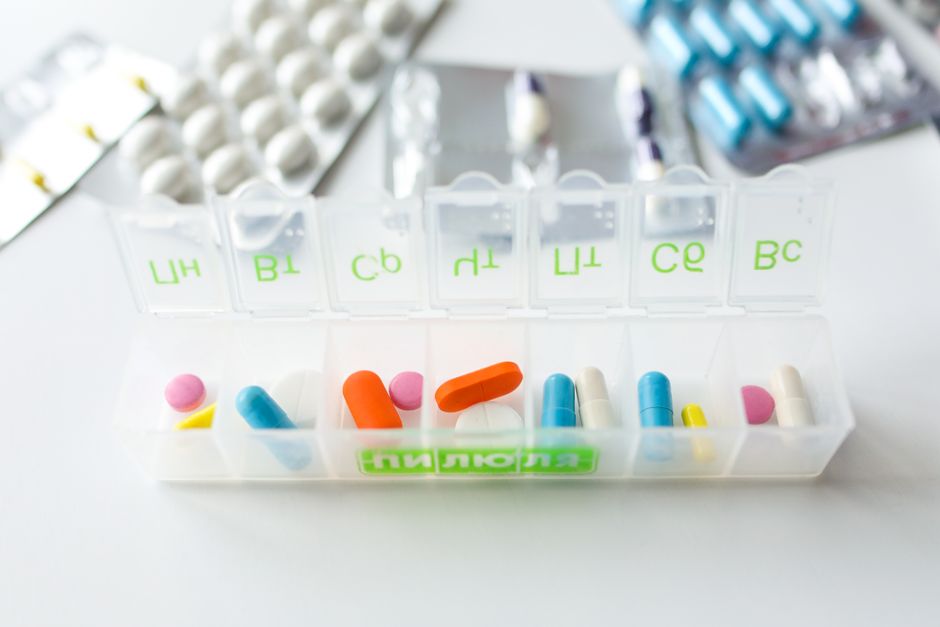
Taking doses at random times, rather than sticking to a consistent interval, can cause blood levels to swing unpredictably. This is especially problematic with extended-release formulations, where consistency is central to how the medication is designed to work. Setting phone alarms or using a pill organizer with time slots can help maintain a steady rhythm.
Ignoring the Difference Between Formulations
Confusing immediate-release and extended-release timing rules is a common and potentially serious mistake. Extended-release oxycodone should never be crushed, split, or taken more frequently than prescribed, as doing so can release the entire dose at once, dramatically increasing overdose risk. If you’ve been prescribed a related formulation and are unsure of the differences, our comparison of Roxicodone versus oxycodone clarifies how these products differ and why timing rules vary between them.
Not Accounting for Individual Metabolism
Genetics, liver function, age, and body composition all affect how quickly a person metabolizes oxycodone. Some patients process the drug faster than average and may find that relief wears off sooner than the “typical” duration suggests, while others experience longer-lasting effects. Working with your doctor to adjust timing based on your personal response, rather than rigidly following generic dosing intervals, often produces better pain control.
Tips for Staying Consistent With Oxycodone Timing
Building a reliable routine around your medication schedule reduces the mental burden of managing pain and helps you get the most benefit from each dose.
- Use reminders: Phone alarms, medication reminder apps, or a simple written schedule posted somewhere visible can prevent missed or delayed doses.
- Keep a pain and dosing journal: Recording when you take each dose alongside your pain levels can reveal patterns and help your doctor fine-tune your schedule during follow-up visits.
- Anchor doses to daily habits: Pairing dose times with existing routines, such as brushing your teeth or eating breakfast, makes it easier to remember without relying purely on willpower.
- Communicate changes to your doctor: If your daily schedule shifts significantly, such as a new work shift or travel across time zones, ask your prescriber how to adjust your dosing times safely rather than guessing on your own.
- Store medication for easy access: Keeping oxycodone in a secure but accessible location (away from children and others) helps ensure you’re not scrambling or delaying doses because the medication isn’t readily available.
When Timing Adjustments Signal a Bigger Problem
Sometimes the need for frequent timing adjustments points to a mismatch between your current prescription and your actual pain levels. If you find yourself consistently needing doses earlier than prescribed, experiencing pain that breaks through well before your next dose is due, or noticing that relief simply isn’t lasting as long as it used to, these are signs worth raising with your prescribing physician. This could indicate tolerance developing, a need for dose or formulation adjustment, or in some cases, early signs of dependence. Our detailed guide on working with a pain management doctor for an oxycodone prescription outlines what these conversations typically look like and what to expect during reassessment.
It’s also worth noting that if you’re stopping or tapering oxycodone, timing plays a role there too. Symptoms like withdrawal-related anxiety, gastrointestinal symptoms like diarrhea, or muscle cramps often follow a predictable timeline related to when your last dose was taken, and understanding this pattern can help you and your doctor manage a safer, more gradual taper.
Frequently Asked Questions
Does taking oxycodone at the same time every day really make a difference?
Yes. Consistent timing, especially with extended-release formulations, helps maintain steady blood concentrations, which leads to more predictable pain control and fewer dips into breakthrough pain. Irregular timing can cause the medication to feel less effective even at the same dose.
Is it better to take oxycodone before or after eating?
Neither is inherently better for effectiveness, but taking it with a small snack can reduce nausea for sensitive patients, while taking it on an empty stomach may produce slightly faster onset. The most important factor is choosing one approach and staying consistent with it.
Can I take my oxycodone dose earlier if my pain starts before it’s due?
You should not take a dose earlier than prescribed without first checking with your doctor. If you’re consistently experiencing pain before your next scheduled dose, this is a sign your current regimen may need adjustment, not a reason to self-adjust timing.
How long after taking oxycodone will I feel the effects?
Immediate-release oxycodone typically begins working within 15 to 30 minutes, with peak effects around one hour. Extended-release formulations work more gradually, providing steadier relief over roughly 12 hours rather than a quick onset.
Should I set alarms to take oxycodone during the night?
This depends on your specific prescription and pain pattern. Some patients on strict extended-release schedules do wake briefly to take a dose, while others use timing that avoids nighttime dosing altogether. This should be planned with your doctor, taking into account respiratory risk during sleep.
Conclusion
Finding the best time to take oxycodone isn’t about following a single universal rule, it’s about understanding your specific formulation, your pain pattern, your daily routine, and how your body responds to the medication. Whether you’re managing post-surgical pain for a short period or navigating a long-term chronic pain regimen, thoughtful timing can make the difference between pain that feels manageable and pain that feels like it’s constantly one step ahead of your medication. Work closely with your prescribing doctor to fine-tune your schedule, keep track of how you respond to different timing approaches, and don’t hesitate to raise concerns if your current routine isn’t providing the relief you need. According to resources from Mayo Clinic, proper use and consistent timing are central to both the safety and effectiveness of opioid pain medications, and that guidance holds true no matter what specific pain condition you’re managing. If you’re also comparing options like oxycodone versus Percocet, understanding timing principles will help you have a more informed conversation with your healthcare provider about which option and schedule best fits your needs.