
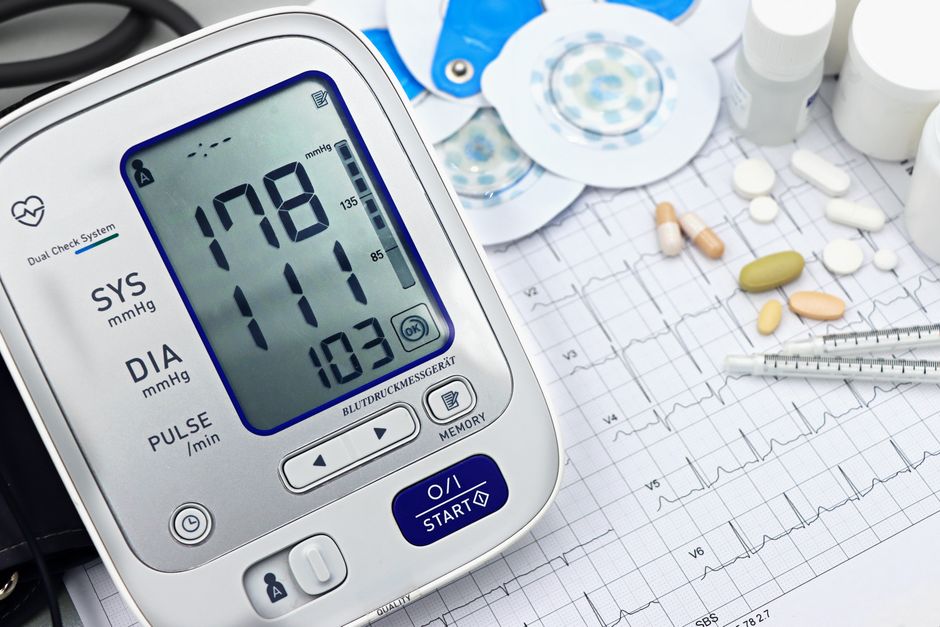
If you’ve started taking oxycodone for pain and noticed your heart feels a little different, slower, faster, or just off, you’re not imagining things. Opioids like oxycodone interact directly with the nervous system in ways that can change heart rate, blood pressure, and overall cardiovascular function. Understanding oxycodone and heart rate changes can help you tell the difference between a normal, expected reaction and something that needs medical attention.
In this guide, we’ll break down exactly how oxycodone affects your cardiovascular system, what heart rate changes are considered typical, which warning signs should never be ignored, and how factors like dosage, other medications, and existing health conditions play into the equation. Whether you’re new to oxycodone, adjusting your dose, or supporting a loved one through treatment, this article will give you a clear, practical picture of what to expect.
How Oxycodone Affects the Body
Oxycodone is a semi-synthetic opioid prescribed for moderate to severe pain. It works by binding to opioid receptors, primarily mu-opioid receptors, located throughout the brain, spinal cord, and gastrointestinal tract. Once bound, it blocks pain signals from reaching the brain and produces a sense of relaxation or euphoria in many users.
However, opioid receptors aren’t limited to pain pathways. They also sit in areas of the brainstem that regulate breathing, blood pressure, and heart rate. As a result, oxycodone doesn’t just numb pain, it also dampens activity in the autonomic nervous system, the part of your body that controls involuntary functions like heartbeat and respiration.
This is why oxycodone use is so often accompanied by side effects beyond pain relief, including drowsiness, constipation, itching, and changes in cardiovascular function. If you’ve dealt with related symptoms already, you may find our articles on oxycodone-related constipation or oxycodone-induced itching useful as companion reading.
Oxycodone and Heart Rate: What Happens
The relationship between oxycodone and heart rate is not one-directional. Depending on the dose, individual physiology, and other substances in your system, oxycodone can either slow your heart rate down or, less commonly, speed it up temporarily. Let’s look at both scenarios.
Can Oxycodone Cause a Slow Heart Rate (Bradycardia)?
Yes. The most common cardiovascular effect of oxycodone is a mild to moderate slowing of the heart rate, known as bradycardia. This happens because opioids increase vagal tone, meaning they stimulate the vagus nerve, which in turn slows the heart’s electrical signaling.
For most healthy adults taking a prescribed dose, this slowing is subtle, a heart rate that might normally sit around 70 to 80 beats per minute could dip to the 55 to 65 range. This is generally not dangerous and often goes unnoticed. However, in people with pre-existing heart conditions, higher doses, or combined use with other sedatives, bradycardia can become more pronounced and potentially risky.
Can Oxycodone Cause a Fast Heart Rate (Tachycardia)?
Interestingly, some people experience the opposite effect, a temporary increase in heart rate, particularly during the first hour after taking a dose. This can happen for a few reasons:
- The body’s initial stress response to pain relief kicking in
- Anxiety or the psychological effect of taking medication
- A drop in blood pressure that triggers a compensatory rise in heart rate (the heart beats faster to maintain blood flow when pressure drops)
- Withdrawal-like rebound effects if a dose is late or missed
This kind of tachycardia is usually short-lived and resolves within an hour or two as the medication reaches steady levels in your bloodstream. If you’re curious about how oxycodone’s timing affects these fluctuations, our guide on the best time to take oxycodone for pain relief covers dosing schedules in more depth.
Why Heart Rate Changes Vary Person to Person
No two people respond to oxycodone identically. Several individual factors shape how your heart reacts:
- Body weight and metabolism: These affect how quickly oxycodone is absorbed and processed.
- Tolerance level: First-time users often notice more pronounced heart rate changes than long-term users whose bodies have adapted.
- Baseline cardiovascular health: Someone with a healthy heart handles opioid-induced changes very differently than someone with arrhythmia or coronary artery disease.
- Hydration and electrolyte balance: Dehydration can amplify blood pressure drops and related heart rate spikes.
- Genetics: Variations in liver enzymes (particularly CYP2D6) affect how fast oxycodone is metabolized, influencing how strong and how long its effects last.
The Science Behind Oxycodone’s Cardiovascular Effects
To understand why oxycodone influences heart rate, it helps to know a bit about the autonomic nervous system, which has two main branches: the sympathetic (“fight or flight”) and parasympathetic (“rest and digest”) systems. These two networks constantly balance each other to regulate heart rate, blood pressure, digestion, and other automatic bodily functions. Opioids like oxycodone tip this balance toward the parasympathetic side, which is why a slower heart rate (bradycardia) is the most commonly reported cardiovascular effect.
Here’s what’s happening beneath the surface:
- Vagal nerve stimulation: Oxycodone activates opioid receptors in the brainstem that increase vagal tone, the parasympathetic “brake” on the heart. This slows the heart’s electrical signaling and reduces heart rate.
- Reduced sympathetic output: Because oxycodone dampens pain signals and produces a sense of calm, it also reduces the sympathetic “stress” signals that normally keep heart rate and blood pressure elevated. Less sympathetic drive means a lower resting heart rate.
- Vasodilation: Oxycodone can cause blood vessels to widen slightly, lowering blood pressure. When blood pressure drops, especially upon standing, the body sometimes compensates with a brief increase in heart rate. This is why some people feel a fluttering or racing sensation when they stand up too quickly after taking a dose.
- Histamine release: Like many opioids, oxycodone can trigger mild histamine release in some individuals. This is also linked to itching and flushing side effects, and histamine release can further contribute to blood vessel dilation and transient heart rate shifts.
In most healthy adults, these mechanisms work together to produce a modest, well-tolerated dip in heart rate. Problems tend to arise when oxycodone is combined with other substances that affect the cardiovascular system, taken in high doses, or used by someone with an underlying heart condition.
Common Heart Rate Patterns Reported With Oxycodone
While bradycardia (a slower-than-normal heart rate) is the textbook response to opioids, real-world experiences vary. Understanding the different patterns can help you recognize what’s typical versus what might need medical attention.
1. Mild Bradycardia (Most Common)
A heart rate that drops by 5 to 15 beats per minute after taking a standard therapeutic dose is generally considered a normal pharmacological response. Many people don’t even notice this change unless they’re actively monitoring their pulse with a fitness tracker or medical device.
2. Orthostatic Tachycardia (Positional Increase)
Some people experience a brief spike in heart rate when moving from sitting or lying down to standing. This happens because oxycodone-induced vasodilation causes a temporary drop in blood pressure, and the heart speeds up to compensate and maintain blood flow to the brain. This is sometimes accompanied by lightheadedness or dizziness.
3. Anxiety-Related Tachycardia
Ironically, some individuals experience a faster heart rate not from the drug’s direct pharmacology but from anxiety about taking the medication, concerns about side effects, or pain that hasn’t fully subsided yet. Emotional stress activates the sympathetic nervous system independently of what oxycodone is doing physiologically.
4. Rebound Tachycardia During Withdrawal or Missed Doses
As oxycodone wears off, the body’s compensatory mechanisms can overshoot, leading to a faster heart rate, sweating, and restlessness. This is especially common in people who are physically dependent on the medication. If you’ve ever wondered why your heart races when a dose is late, our article on what happens if you miss an oxycodone dose explains this rebound effect in detail, and our oxycodone withdrawal timeline walks through how heart rate and other symptoms evolve day by day during withdrawal.
When Oxycodone Affects Heart Rate in Concerning Ways
Most heart rate changes from oxycodone are mild and temporary, but certain patterns warrant closer attention. Knowing the difference between an expected side effect and a red flag can be lifesaving.
Signs That May Indicate a Problem
- A heart rate that drops below 50 beats per minute accompanied by dizziness, confusion, or fainting
- A heart rate above 120 beats per minute at rest, especially with chest pain or shortness of breath
- Irregular heartbeat, skipped beats, or a fluttering sensation that doesn’t resolve
- Bluish lips or fingertips, which can indicate reduced oxygen delivery
- Slow, shallow breathing combined with a slow heart rate, which together are hallmark signs of opioid overdose
- Chest tightness or pressure, particularly in people with a history of heart disease
The combination of slowed breathing and a significantly reduced heart rate is one of the most important warning signs of opioid overdose. Because oxycodone suppresses the brain’s respiratory drive at higher doses, the heart can also slow dramatically as the body struggles to get enough oxygen. This is a medical emergency and requires immediate intervention, often with naloxone, an opioid overdose reversal medication.
QT Interval Prolongation: A Lesser-Known Risk
Some opioids, oxycodone included in rare cases, have been associated with prolongation of the QT interval, a measure of how long it takes the heart’s electrical system to reset between beats. A prolonged QT interval increases the risk of a dangerous arrhythmia called torsades de pointes. This risk is higher in people who:
- Have a personal or family history of long QT syndrome
- Take other medications that also prolong the QT interval, such as certain antidepressants, antipsychotics, or antibiotics
- Have electrolyte imbalances, particularly low potassium or magnesium
- Are taking high doses of oxycodone or combining it with other opioids
If you have a known heart rhythm disorder, it’s essential to discuss oxycodone use with your prescribing physician and possibly undergo periodic EKG monitoring, especially if your dose changes.
Oxycodone and Pre-Existing Heart Conditions
People with underlying cardiovascular disease face a different risk profile than those with healthy hearts. If you fall into any of the following categories, extra caution and closer medical supervision are warranted:
Coronary Artery Disease
Reduced blood flow to the heart muscle means it has less reserve capacity to handle sudden changes in heart rate or blood pressure. A sudden drop in blood pressure from oxycodone, combined with reflex tachycardia, could theoretically strain a heart that’s already working with narrowed arteries.
Arrhythmias
Individuals with atrial fibrillation, bradyarrhythmias, or other rhythm disorders should be monitored closely, since oxycodone’s vagal effects can compound an already irregular or slow rhythm.
Heart Failure
People with heart failure often have a delicate balance between fluid status, blood pressure, and heart rate. Oxycodone’s blood pressure-lowering effect could worsen symptoms like dizziness or fatigue in this population.
Recent Heart Attack or Cardiac Surgery
In the acute recovery period after a cardiac event, the heart is especially sensitive to medications that alter heart rate and blood pressure. Pain management in these patients typically requires close monitoring, often in a hospital setting, precisely because of these cardiovascular sensitivities.
According to the American Heart Association, patients with cardiovascular disease who are prescribed opioids for pain management should have their cardiac status reassessed periodically, particularly when doses are increased or when new medications are added to their regimen.
Drug Interactions That Can Amplify Heart Rate Changes
Oxycodone rarely acts alone. Many people take it alongside other medications, and some combinations significantly increase cardiovascular risk.
Other Central Nervous System Depressants
Combining oxycodone with benzodiazepines, sleep aids, or alcohol amplifies both respiratory depression and bradycardia. This combination is one of the leading causes of opioid-related fatalities because it compounds the slowing effects on both breathing and heart rate.
Stimulants
Cocaine, amphetamines, or even excessive caffeine can create a tug-of-war effect on heart rate, one substance pushing it up while oxycodone pulls it down. This unpredictable interplay can strain the cardiovascular system and increase arrhythmia risk.
MAO Inhibitors
Monoamine oxidase inhibitors (MAOIs), sometimes prescribed for depression, can interact with opioids to cause serotonin syndrome or unpredictable blood pressure and heart rate swings. Anyone taking an MAOI should discuss opioid use carefully with their doctor before starting oxycodone.
Other QT-Prolonging Medications
Certain antibiotics (like azithromycin), antifungals, antipsychotics, and antiarrhythmic drugs can prolong the QT interval on their own. Combined with oxycodone, this stacking effect raises the risk of dangerous heart rhythms.
Grapefruit and CYP3A4 Inhibitors
Grapefruit juice and certain medications inhibit the liver enzyme CYP3A4, which metabolizes oxycodone. This can cause oxycodone levels to build up higher than expected, intensifying all its effects, including those on heart rate and blood pressure.
Always give your doctor or pharmacist a complete list of medications, supplements, and substances you use so they can screen for these interactions before you start oxycodone.
Oxycodone Withdrawal and Heart Rate
When someone who has developed physical dependence on oxycodone stops taking it or reduces their dose too quickly, the nervous system that had adapted to the drug’s presence suddenly rebounds. Because oxycodone had been suppressing sympathetic activity, withdrawal often triggers the opposite effect: a surge in sympathetic tone.
This is why increased heart rate, elevated blood pressure, sweating, anxiety, and restlessness are hallmark symptoms of oxycodone withdrawal. Heart rate increases during withdrawal are usually temporary but can feel alarming, especially for people unfamiliar with the process. For a full breakdown of what to expect hour by hour and day by day, including when cardiovascular symptoms typically peak and subside, see our detailed oxycodone withdrawal timeline.
Because withdrawal can also disrupt sleep, many people experience compounding stress from restlessness and racing thoughts. If you’re navigating this stage, our guide on sleeping during oxycodone withdrawal offers practical coping strategies that may help calm both the mind and the cardiovascular system during this challenging period.
Medically supervised tapering is the safest way to reduce oxycodone use, since it allows the nervous system to readjust gradually rather than experiencing an abrupt rebound in heart rate and blood pressure.
How to Monitor Your Heart Rate Safely While Taking Oxycodone
If you’re prescribed oxycodone, especially for the first time or at a new dose, keeping an eye on your heart rate can offer peace of mind and help you catch potential problems early.
Practical Monitoring Tips
- Check your baseline: Take your resting heart rate before starting oxycodone so you have something to compare against later.
- Use a reliable device: A basic pulse oximeter or a wearable fitness tracker can give you quick, non-invasive readings throughout the day.
- Track patterns, not just numbers: Note when changes occur relative to your dosing schedule. Is your heart rate lower an hour after your dose? Does it spike right before your next one is due?
- Watch for symptoms, not just numbers: A heart rate of 55 isn’t necessarily a problem if you feel fine. But the same number paired with dizziness or confusion is worth reporting to your doctor.
- Stay hydrated: Dehydration can worsen blood pressure drops and related heart rate swings, so drink water consistently throughout the day.
- Avoid sudden position changes: Standing up slowly, rather than jumping up quickly, can reduce the orthostatic heart rate spikes some people experience.
If you’re also managing other oxycodone side effects like nausea, our guide on oxycodone nausea causes and relief tips can help you feel more comfortable overall, since feeling sick or anxious can indirectly affect heart rate too.
When to Contact a Doctor or Seek Emergency Care
Knowing when a symptom is worth a phone call versus a trip to the emergency room can be confusing. Here’s a general framework, though it’s never a substitute for personalized medical advice.
Call Your Doctor If:
- Your resting heart rate is consistently below 60 or above 100 beats per minute and this is new for you
- You notice mild dizziness when standing that resolves quickly
- You’re experiencing occasional heart palpitations without other symptoms
- You’re unsure whether a new medication might interact with oxycodone
Seek Emergency Care Immediately If:
- Your heart rate drops below 50 beats per minute with confusion, fainting, or bluish skin
- You experience chest pain, pressure, or tightness
- Your breathing becomes slow, shallow, or difficult
- You or someone with you shows signs of overdose: pinpoint pupils, unresponsiveness, gurgling sounds, or extreme drowsiness
- You have a known heart condition and notice any new or worsening cardiovascular symptoms after starting or adjusting oxycodone
If you suspect an opioid overdose, call emergency services immediately and, if available, administer naloxone. Overdose can happen even at prescribed doses if oxycodone is combined with other depressants or if tolerance has decreased after a period of abstinence.
Tips for Reducing Cardiovascular Risk While Taking Oxycodone
Whether you’re just starting oxycodone or have been taking it for a while, a few proactive habits can help keep your cardiovascular system on stable ground.
- Take the lowest effective dose: Work with your doctor to find the smallest dose that manages your pain adequately, since higher doses carry proportionally higher cardiovascular risk.
- Avoid alcohol entirely: Alcohol dramatically increases the risk of dangerous heart rate and respiratory depression when combined with oxycodone.
- Disclose your full medical history: Make sure your prescriber knows about any heart conditions, arrhythmias, or family history of cardiac issues.
- Get periodic checkups: If you’re on oxycodone long-term, routine physical exams, and occasionally an EKG, can help catch subtle cardiovascular changes early.
- Manage related side effects: Sweating, nausea, and constipation can all contribute to dehydration or physical stress, indirectly affecting heart rate. Our articles on oxycodone and sweating and oxycodone and constipation offer practical relief strategies worth exploring.
- Don’t stop abruptly: If you need to discontinue oxycodone, do so under medical guidance to avoid the sympathetic rebound that drives up heart rate during withdrawal.
Frequently Asked Questions
Does oxycodone always slow down heart rate?
Not always. While bradycardia (a slower heart rate) is the most common response due to oxycodone’s effect on the vagus nerve, some people experience a temporary increase in heart rate, particularly when standing up quickly, during withdrawal, or when anxiety is involved. Individual response depends on dose, tolerance, hydration, and overall cardiovascular health.
Is a heart rate of 55 while taking oxycodone dangerous?
For most healthy adults, a resting heart rate in the mid-50s is not dangerous and may simply reflect oxycodone’s normal vagal effect. However, if this is accompanied by dizziness, confusion, fainting, or shortness of breath, it’s important to seek medical attention, since these symptoms could indicate a more significant drop in cardiac output or early signs of overdose.
Can oxycodone cause a heart attack?
Oxycodone itself is not a direct cause of heart attacks in people with healthy cardiovascular systems when used as prescribed. However, in people with existing coronary artery disease, significant drops in blood pressure or oxygen levels from opioid use (especially at high doses or combined with other depressants) could theoretically stress an already compromised heart. Anyone with heart disease should discuss opioid use carefully with their cardiologist.
Why does my heart race after my oxycodone wears off?
This is often a sign of early withdrawal or a rebound effect. As the drug’s suppressive effect on the sympathetic nervous system fades, the body can temporarily overcompensate, leading to a faster heart rate, sweating, and anxiety. This is especially common in people who have developed physical tolerance or dependence.
Should I stop taking oxycodone if I notice heart rate changes?
Never stop oxycodone abruptly without medical guidance, since sudden discontinuation can cause its own set of cardiovascular symptoms, including rebound tachycardia. Instead, report any concerning heart rate changes to your prescribing doctor, who can evaluate whether a dose adjustment, additional monitoring, or a supervised taper is appropriate.
Final Thoughts
Oxycodone’s relationship with heart rate is more nuanced than a simple “speeds it up” or “slows it down” answer. For most people using it at prescribed doses, a mild, temporary reduction in heart rate is the expected and generally harmless response, a byproduct of the drug’s calming effect on the nervous system. But context matters enormously: pre-existing heart conditions, other medications, dehydration, and even anxiety can all shift how your heart responds.
The most important takeaway is awareness. Understanding what’s normal for your body, monitoring for warning signs, and maintaining open communication with your healthcare provider can help you use oxycodone safely while minimizing cardiovascular risk. If you ever notice heart rate changes that feel severe, unusual, or paired with other troubling symptoms, don’t wait to seek medical guidance. Your heart’s rhythm is one of the clearest windows into how your body is handling this medication, and paying attention to it is one of the smartest things you can do while managing pain with oxycodone.