
If you or someone you love has started taking oxycodone for pain relief, you may have noticed changes in blood pressure readings or felt lightheaded after a dose. This is not your imagination. Oxycodone can lower blood pressure, and understanding why this happens, who is most at risk, and what warning signs matter can help you use this medication more safely.
In this article, we will break down the science behind how oxycodone affects your cardiovascular system, explain why some people experience drops in blood pressure while others do not, and cover practical steps to protect yourself. We will also touch on related effects like changes in heart rate and how oxycodone interacts with other medications that influence blood pressure.
Can Oxycodone Lower Blood Pressure? The Short Answer
Yes, oxycodone can lower blood pressure in many people, particularly when a dose is first started, increased, or taken alongside other central nervous system depressants. This drop happens because oxycodone is an opioid, and opioids act on receptors in the brain and body that influence blood vessel tone, heart rate, and the nervous system’s overall regulation of blood pressure. When oxycodone binds to mu-opioid receptors in the brainstem, it dampens the sympathetic nervous system’s activity. This is the part of your nervous system responsible for keeping blood vessels appropriately constricted and your heart pumping at a rate that maintains steady blood pressure. With this dampening effect, blood vessels can relax and widen (a process called vasodilation), and the result is often a measurable drop in both systolic and diastolic blood pressure.
This effect is usually mild in healthy adults taking normal therapeutic doses. However, it can become more pronounced in certain situations, such as when someone stands up quickly after sitting or lying down, takes a higher-than-usual dose, combines oxycodone with alcohol or sedatives, or has an underlying health condition that already affects blood pressure regulation. Understanding these variables is the key to using oxycodone safely.
How Oxycodone Affects Blood Pressure and Heart Rate
Blood pressure and heart rate are closely linked, and oxycodone tends to influence both simultaneously. In most cases, oxycodone causes a mild decrease in heart rate alongside the drop in blood pressure, since both are governed by overlapping parts of the autonomic nervous system. If you want a deeper dive into how oxycodone specifically affects pulse and cardiac rhythm, our related article on oxycodone and heart rate covers what to expect in more detail.
That said, the relationship is not always straightforward. Some people experience a slightly elevated heart rate as a compensatory response when blood pressure drops too quickly, a reflex called baroreceptor-mediated tachycardia. Your body is essentially trying to correct the sudden dip in pressure by speeding up the heart. This is why some patients feel a fluttery or racing heartbeat right after standing up too fast on oxycodone, even though the underlying issue is actually low blood pressure, not a primary heart rate problem.
Why Does Oxycodone Cause Low Blood Pressure?
There are several overlapping mechanisms that explain why oxycodone can lower blood pressure. Understanding each one helps clarify why the effect varies so much from person to person.
1. Reduced Sympathetic Nervous System Activity
As mentioned earlier, oxycodone suppresses the fight-or-flight branch of the nervous system. This branch is normally responsible for keeping blood vessels slightly constricted so blood pressure stays stable, especially when you change positions. When oxycodone quiets this system down, blood vessels relax more than usual, and blood pressure can dip.
2. Histamine Release
Oxycodone, like many opioids, can trigger the release of histamine from certain cells in the body. Histamine is a natural chemical involved in allergic responses, but it also causes blood vessels to dilate. This is part of the same mechanism that can make some people feel itchy after taking oxycodone, a topic we explore in detail in our article on why oxycodone can cause itching. The dilation caused by histamine release contributes to lower blood pressure readings, particularly right after a dose.
3. Reduced Pain-Related Stress Response
Pain itself is a stressor that can elevate blood pressure. When oxycodone effectively relieves pain, it removes this stress-related boost in blood pressure. For someone who was previously in significant pain, starting oxycodone may bring blood pressure down to a more normal range simply because the pain-driven adrenaline surge is gone. In this sense, a drop in blood pressure can actually be a sign that the medication is working as intended.
4. Central Nervous System Depression
Oxycodone is a central nervous system depressant. It slows down many automatic bodily functions, including breathing rate, alertness, and cardiovascular reflexes. This general slowing effect can make it harder for your body to quickly adjust blood pressure when you change positions, exert yourself, or experience other everyday triggers.
5. Interaction With Other Substances
Many people taking oxycodone are also on other medications for blood pressure, anxiety, sleep, or unrelated conditions. When oxycodone is combined with these other substances, the blood-pressure-lowering effect can be amplified significantly. This is one of the most common and preventable reasons for dangerously low blood pressure episodes in people taking opioids.
Who Is Most at Risk for Oxycodone-Related Blood Pressure Drops?
Not everyone experiences the same degree of blood pressure change on oxycodone. Certain groups are more susceptible and should be especially cautious.
- Older adults: Aging naturally reduces the body’s ability to compensate for sudden blood pressure changes, making falls and fainting more likely.
- People who are dehydrated: Lower blood volume from dehydration makes it easier for blood pressure to drop when vessels dilate.
- People taking other blood-pressure-lowering medications: Combining oxycodone with beta-blockers, ACE inhibitors, diuretics, or calcium channel blockers can compound the effect.
- People taking sedatives or benzodiazepines: These drugs also depress the central nervous system and can intensify oxycodone’s blood-pressure-lowering effect.
- People new to opioids or recently increasing their dose: Tolerance to the cardiovascular effects of oxycodone tends to build over time, so the first few days after starting or increasing a dose carry the highest risk.
- People with existing heart or blood vessel conditions: Those with heart failure, arrhythmias, or a history of fainting episodes are more vulnerable to significant drops.
- People who consume alcohol while on oxycodone: Alcohol independently lowers blood pressure and severely amplifies the sedative and vasodilating effects of opioids, which is one of the most dangerous combinations linked to opioid-related emergencies.
If you fall into one or more of these categories, it does not necessarily mean you cannot take oxycodone safely. It simply means you and your healthcare provider should monitor your blood pressure more closely, especially in the early days of treatment or after any dose adjustment.
Symptoms of Low Blood Pressure While Taking Oxycodone
Knowing the warning signs of low blood pressure can help you respond quickly and avoid injury. Common symptoms include:
- Dizziness or lightheadedness, especially when standing up
- Blurred or dimming vision
- Feeling faint or actually fainting (syncope)
- Weakness or heaviness in the limbs
- Nausea, which can sometimes overlap with medication-related nausea discussed in our guide on oxycodone nausea causes and relief tips
- Cold, clammy, or pale skin
- Rapid, shallow breathing
- Confusion or difficulty concentrating
These symptoms often appear most strongly when moving from lying down or sitting to standing, a phenomenon known as orthostatic hypotension. If you notice these symptoms consistently, it is worth tracking when they occur relative to your oxycodone doses and mentioning the pattern to your prescriber.
Orthostatic Hypotension: The Most Common Blood Pressure Issue With Oxycodone
Orthostatic hypotension deserves special attention because it is by far the most frequently reported blood-pressure-related issue among people taking oxycodone. It happens when blood pressure drops sharply upon standing because the body cannot compensate quickly enough for the change in position.
Normally, when you stand up, your blood vessels constrict slightly and your heart rate increases a bit to keep blood flowing properly to your brain. Oxycodone blunts this reflex. The result can be a sudden wave of dizziness, blurred vision, or even a brief loss of consciousness within seconds of standing.
This is particularly dangerous for older adults, who already face a higher risk of falls, and for anyone working in situations where a sudden loss of balance could lead to injury, such as climbing stairs, driving, or operating machinery. Simple strategies like standing up slowly, pausing to sit on the edge of a bed before fully standing, and staying well hydrated can meaningfully reduce the risk of orthostatic hypotension episodes.
Oxycodone and Drug Interactions That Affect Blood Pressure
Blood pressure changes on oxycodone rarely happen in isolation. Other medications and substances can either intensify the blood-pressure-lowering effect or, in some cases, work against it. Being aware of these interactions is essential for safe use.
Medications That Can Intensify Low Blood Pressure
- Benzodiazepines (such as alprazolam or diazepam): These sedatives compound the central nervous system depression caused by oxycodone, increasing the risk of severe drops in blood pressure and breathing rate.
- Other opioids: Combining oxycodone with additional opioid medications multiplies the cardiovascular depressant effects.
- Antihypertensive medications: Drugs specifically designed to lower blood pressure, including beta-blockers, alpha-blockers, and diuretics, can interact with oxycodone to push blood pressure lower than intended.
- Muscle relaxants: Many of these also have sedative properties that add to the blood-pressure-lowering effect.
- Alcohol: As mentioned earlier, alcohol is one of the riskiest substances to combine with oxycodone due to its own blood-pressure-lowering and sedative properties.
Substances That May Have the Opposite Effect
Interestingly, not everything that interacts with oxycodone lowers blood pressure. Certain over-the-counter pain relievers, particularly NSAIDs like naproxen or ibuprofen, are known to raise blood pressure in some people rather than lower it. If you are taking oxycodone alongside an NSAID for additional pain relief, it is worth understanding both effects. Our related article on whether naproxen raises blood pressure explains this in more detail and can help you and your doctor weigh the pros and cons of combining these medications.
Stimulants, decongestants, and certain antidepressants can also counteract or complicate oxycodone’s cardiovascular effects, sometimes leading to unpredictable blood pressure readings. This is another reason why it is important to give your healthcare provider a complete list of every medication and supplement you are taking, not just prescription drugs.
Can Oxycodone Cause High Blood Pressure Instead?
While oxycodone is generally associated with lowering blood pressure, there are circumstances where the opposite can occur, at least temporarily.
One common scenario is withdrawal. If a person who has been taking oxycodone regularly suddenly stops or misses a dose, the body can react with a stress response that includes elevated blood pressure, increased heart rate, sweating, and anxiety. This happens because the nervous system, which had adjusted to the suppressive effects of the opioid, suddenly rebounds without it. If you have ever wondered what happens physiologically when a dose is skipped, our guide on what happens if you miss an oxycodone dose explains this rebound effect and other withdrawal-related symptoms in depth.
Another scenario involves untreated or poorly managed pain. Since pain itself raises blood pressure through the body’s natural stress response, someone who is under-medicated or whose oxycodone dose has worn off before their next scheduled dose may experience blood pressure spikes driven by breakthrough pain rather than by the medication itself. This is one of the reasons that timing oxycodone doses appropriately matters so much, a topic covered thoroughly in our article on the best time to take oxycodone for pain relief.
How to Manage and Prevent Blood Pressure Drops on Oxycodone
The good news is that most oxycodone-related blood pressure issues are manageable with a few practical strategies. Here is what experts generally recommend.
1. Rise Slowly
Whenever you get up from lying down or sitting, do so gradually. Sit on the edge of the bed for a moment before standing, and pause again once standing before you start walking. This gives your circulatory system time to adjust.
2. Stay Hydrated
Adequate fluid intake helps maintain blood volume, which supports more stable blood pressure. Dehydration is one of the most common and easily fixable contributors to blood pressure drops on oxycodone.
3. Avoid Alcohol and Unnecessary Sedatives
Since alcohol and other sedating substances amplify oxycodone’s cardiovascular effects, avoiding them (or at minimum discussing any use with your doctor) significantly reduces risk.
4. Take the Correct Dose
Taking more oxycodone than prescribed, or increasing your dose without medical guidance, raises the likelihood of a significant blood pressure drop. Understanding your prescribed strength and following it precisely matters. Our comprehensive oxycodone dosage chart and our breakdown of oxycodone strengths can help you better understand what your prescription actually means and how different doses may affect you.
5. Monitor Your Blood Pressure at Home
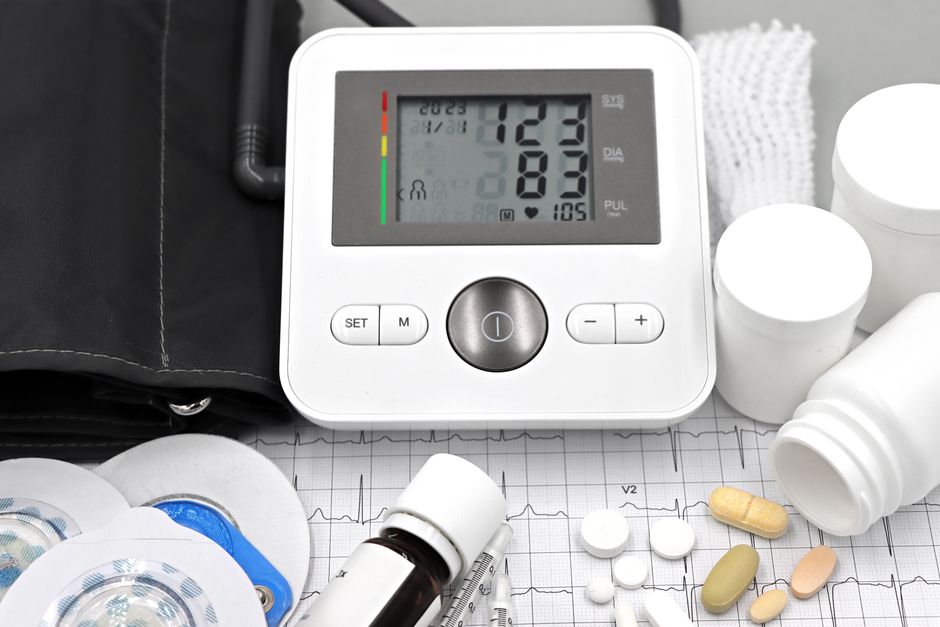
If you or your doctor are concerned about blood pressure changes, a simple home blood pressure monitor can help track patterns over time. Recording readings before and after doses, along with any symptoms you notice, gives your healthcare provider valuable information to fine-tune your treatment plan.
6. Communicate Openly With Your Healthcare Provider
Never adjust your oxycodone dose or stop taking it abruptly without medical guidance. If you are experiencing troubling symptoms, your provider may adjust your dose, switch you to a different pain management strategy, or recommend additional monitoring rather than having you stop treatment on your own, which can trigger withdrawal and its own blood pressure complications.
When to Seek Medical Attention
While mild lightheadedness is common and often manageable, certain symptoms warrant prompt medical attention. Seek help right away if you experience:
- Fainting or loss of consciousness
- Chest pain or pressure
- Severe confusion or difficulty staying awake
- Slow, shallow, or labored breathing
- Blue-tinged lips or fingertips
- A very slow or irregular heartbeat
- Blood pressure readings that are dramatically lower than your normal baseline
These signs can indicate a more serious reaction, including opioid overdose, and require immediate emergency care. If you suspect an overdose, call emergency services right away rather than waiting to see if symptoms improve.
What This Means for People With Pre-Existing Blood Pressure Conditions
If you already have high blood pressure (hypertension) and are prescribed oxycodone, you might assume the medication could help manage your numbers. While it is true that oxycodone often lowers blood pressure somewhat, this should never be viewed as a treatment for hypertension. Oxycodone’s blood-pressure-lowering effect is a side effect of its action on the nervous system, not a targeted, reliable, or safe way to manage chronic high blood pressure. Relying on it for that purpose could mask underlying issues or create dangerous swings between high and low readings, especially around dosing times or during withdrawal.
Conversely, if you have low blood pressure (hypotension) to begin with, or a condition like postural orthostatic tachycardia syndrome (POTS), you may be more sensitive to oxycodone’s effects and should discuss this with your prescriber before starting treatment. In these cases, your doctor may choose a lower starting dose, recommend more frequent monitoring, or consider alternative pain management options depending on your specific health picture.
For general background on how the body regulates blood pressure and how various health conditions and medications can influence it, resources from Mayo Clinic offer additional, medically reviewed detail that can complement the information here.
Frequently Asked Questions
Does everyone who takes oxycodone experience low blood pressure?
No. While it is a well-documented possible side effect, many people take oxycodone at normal therapeutic doses without noticing any significant blood pressure change. The effect tends to be more noticeable in older adults, those who are dehydrated, people combining oxycodone with other sedating medications, and those just starting or increasing their dose.
How long after taking oxycodone does blood pressure typically drop?
Blood pressure changes often appear within thirty minutes to a couple of hours after taking a dose, generally coinciding with when oxycodone reaches peak concentration in the bloodstream. This timing can vary depending on whether you are taking an immediate-release or extended-release formulation, as well as your individual metabolism.
Can oxycodone cause a dangerously low blood pressure reading?
In most people taking standard prescribed doses, drops in blood pressure are mild and temporary. However, in cases of overdose, combination with alcohol or sedatives, or in medically vulnerable individuals, blood pressure can fall to dangerous levels alongside slowed breathing. This combination is a hallmark of opioid overdose and requires emergency treatment.
Should I stop taking oxycodone if I notice lower blood pressure readings?
Do not stop taking oxycodone abruptly without consulting your healthcare provider, since sudden discontinuation can trigger withdrawal symptoms, including a rebound increase in blood pressure. Instead, report your readings and any symptoms to your doctor so they can determine whether a dose adjustment or additional monitoring is appropriate.
Can lifestyle changes help reduce oxycodone-related blood pressure drops?
Yes. Staying well hydrated, rising slowly from sitting or lying positions, avoiding alcohol, and taking your medication exactly as prescribed are all simple, effective ways to reduce the likelihood and severity of blood pressure drops while on oxycodone.
The Bottom Line
Oxycodone can and often does lower blood pressure, primarily by relaxing blood vessels, calming the nervous system’s stress response, and relieving pain-related pressure spikes. For most people taking the medication as prescribed, this effect is mild and manageable with simple precautions like staying hydrated and rising slowly from rest. However, certain groups, including older adults, those combining oxycodone with other sedatives or blood pressure medications, and people just starting or adjusting their dose, face a higher risk of more pronounced drops, including orthostatic hypotension.
Being aware of the signs of low blood pressure, understanding how other medications and substances interact with oxycodone, and maintaining open communication with your healthcare provider are the best ways to use this medication safely and effectively. If you ever notice severe symptoms like fainting, confusion, or trouble breathing, treat it as a medical emergency and seek help immediately. With the right precautions and monitoring, most people can manage oxycodone’s effects on blood pressure while still getting the pain relief they need.