
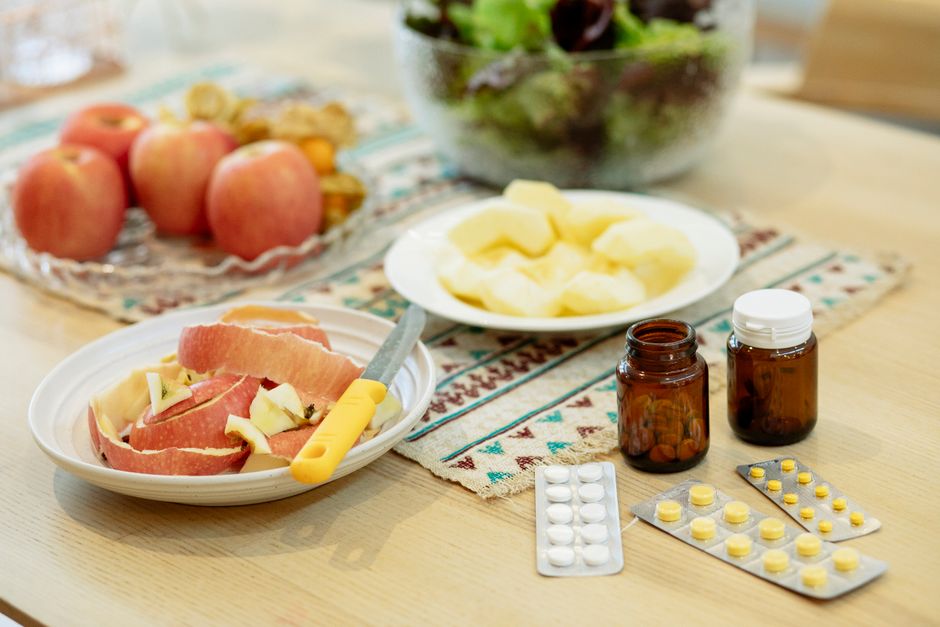
If you’ve just picked up a prescription for oxycodone, you’ve probably wondered whether it belongs on an empty stomach or right after a meal. It’s a fair question, because the answer actually affects how well the medication works and how your body reacts to it. Taking oxycodone with food or without it isn’t just a minor detail, it can change how fast the drug kicks in, how strong the side effects are, and even how safe certain formulations remain.
In this guide, we’ll break down exactly what happens when you take oxycodone before, during, or after a meal, why the answer differs depending on which type of oxycodone you’re prescribed, and what practical steps you can take to get the most pain relief with the fewest side effects. We’ll also cover special situations like nausea, extended-release tablets, and what to do if you accidentally take a dose on an empty stomach.
Quick Answer: Should You Take Oxycodone With Food?
For most people, taking oxycodone with a small meal or snack is the safer and more comfortable choice. Food doesn’t block oxycodone from working, but it can slow down how quickly it’s absorbed, which often reduces nausea, dizziness, and stomach upset. That said, the food effect is not identical across all oxycodone products. Immediate-release oxycodone behaves differently than extended-release formulations like OxyContin, and that distinction matters quite a bit.
- Immediate-release oxycodone (Roxicodone, generic oxycodone): Can be taken with or without food, but a light snack often reduces nausea.
- Extended-release oxycodone (OxyContin): Should generally be taken consistently, either always with food or always without, and high-fat meals require extra caution due to how they affect drug release.
- If you feel nauseated on an empty stomach: A small, bland snack before your dose is usually recommended.
Let’s dig into the science behind these recommendations so you understand exactly why timing with meals matters.
How Food Affects Oxycodone Absorption
Oxycodone is absorbed through the lining of your stomach and small intestine after you swallow it. When your stomach is empty, digestion moves faster, and the drug tends to pass into your bloodstream more quickly. This can cause a sharper, faster rise in blood oxycodone levels, sometimes described as feeling like a stronger “rush” or a more intense peak effect, followed by a quicker drop-off. For some people, this fast spike is exactly what triggers nausea, lightheadedness, or an upset stomach shortly after dosing. Eating something beforehand slows gastric emptying, which spreads out the absorption process. Instead of a sharp spike, you get a smoother, more gradual rise in blood levels. The peak concentration (what pharmacologists call Cmax) may be slightly lower, and the time it takes to reach that peak (Tmax) tends to be a bit longer.
For immediate-release oxycodone, this difference is usually minor and doesn’t meaningfully change how well your pain is controlled. You’ll still get relief, it may just arrive a little more gently. But for extended-release formulations, the relationship between food and absorption becomes far more important, and in some cases, genuinely risky if ignored.
Why Extended-Release Oxycodone (OxyContin) Requires Extra Caution With Food
Extended-release oxycodone tablets are engineered with a special coating and matrix designed to release the medication slowly over about 12 hours. This slow-release mechanism is what allows people with chronic pain to take the drug just twice a day instead of every four to six hours. However, this controlled-release system can be disrupted by certain foods, particularly those high in fat.
High-fat meals can increase the rate at which the drug’s outer coating breaks down, sometimes causing a larger dose of oxycodone to be released into your system faster than intended. This phenomenon is sometimes referred to as “dose dumping.” While modern OxyContin formulations have been reformulated with abuse-deterrent properties specifically to reduce this risk, doctors and pharmacists still generally advise caution with heavy, greasy, or high-fat meals around the time of dosing.
Because of this, the general guidance for extended-release oxycodone is consistency rather than avoidance. It’s not necessarily that you must always take it with or without food, it’s that you should pick one approach and stick with it every single day. Switching back and forth between an empty stomach one day and a large fatty meal the next introduces unpredictable swings in how much medication enters your bloodstream and how quickly, which can affect both pain control and safety.
Immediate-Release vs Extended-Release: Key Differences in Food Interaction
It’s easy to assume all oxycodone products behave the same way, but the formulation matters just as much as the dose itself. Here’s a side-by-side look at how food interacts with each type:
- Immediate-release oxycodone: Onset of action is typically 15 to 30 minutes, with food only mildly delaying absorption. Best for short-term or breakthrough pain.
- Extended-release oxycodone (OxyContin): Designed for steady, long-acting relief. Fatty meals can alter the release mechanism, so consistency in eating habits matters more than with immediate-release versions.
- Combination products (oxycodone with acetaminophen, like Percocet): The acetaminophen component can also cause stomach upset, so taking these with food is frequently recommended regardless of the oxycodone food effect itself.
If you’re unsure which type you’ve been prescribed, check the label or ask your pharmacist. The instructions for immediate-release oxycodone and extended-release oxycodone are not interchangeable, and following the wrong guidance could affect both comfort and safety.
If you want a deeper look at how dosing intervals and timing affect pain control throughout the day, our complete timing guide for oxycodone breaks down how to plan doses around your daily schedule, not just around meals.
Should You Take Oxycodone on an Empty Stomach?
Technically, yes, you can take oxycodone on an empty stomach. It’s not unsafe in the way that, say, taking certain anti-inflammatory medications on an empty stomach can be for people prone to ulcers. Oxycodone doesn’t directly damage the stomach lining the way NSAIDs can. However, “safe” and “comfortable” aren’t always the same thing.
Many people report more pronounced nausea, dizziness, or a woozy, lightheaded sensation when taking oxycodone without any food in their stomach. This is especially common with a first dose, after a dose increase, or in people who are naturally more sensitive to opioids. If you’ve ever felt queasy after taking a pain pill on an empty stomach, that reaction is extremely common and well documented anecdotally, even if it isn’t universal.
On the other hand, some patients actually prefer taking oxycodone without food because they feel it works faster and provides quicker relief for sudden, sharp pain. This isn’t wrong either, it simply reflects the trade-off between speed of onset and smoothness of absorption. There’s no single “correct” answer for everyone, which is exactly why doctors often recommend patients pay attention to their own response and adjust accordingly, within the boundaries of their prescribed instructions.
Managing Nausea and Stomach Upset From Oxycodone
Nausea is one of the most frequently reported side effects of oxycodone, especially during the first few days of treatment or after a dosage increase. The good news is that this side effect often fades as your body adjusts. In the meantime, there are several practical strategies that can help:
- Eat something light before dosing: Crackers, toast, a banana, or plain rice can help settle your stomach without slowing absorption too dramatically.
- Avoid greasy or spicy foods around dosing times: These can worsen nausea independent of the oxycodone itself.
- Stay upright for 20 to 30 minutes after taking your dose: Lying down right after taking oxycodone can sometimes intensify feelings of nausea or dizziness.
- Stay hydrated: Dehydration can worsen nausea and constipation, both common oxycodone side effects.
- Talk to your doctor about anti-nausea options: If nausea is severe or persistent, your provider may recommend a short course of an anti-nausea medication or consider adjusting your dose.
Persistent vomiting, especially with extended-release tablets, deserves prompt medical attention, since it could affect how much medication your body actually absorbs and could also be a sign that your dose needs to be reassessed.
Best Foods to Pair With Oxycodone
If you’ve found that food helps you tolerate oxycodone better, choosing the right kind of food can make an even bigger difference. Generally speaking, bland, low-fat, easily digestible foods are the safest bet. Some good options include:
- Plain crackers or toast
- Bananas or applesauce
- Oatmeal or plain rice
- Yogurt (plain, not high-fat)
- Boiled or baked chicken in small portions
- Clear broths or light soups
These foods are gentle on the stomach and unlikely to interfere significantly with how oxycodone is absorbed. They’re particularly useful if you’re taking oxycodone after surgery, when your digestive system may already be more sensitive than usual.
Foods and Drinks to Avoid While Taking Oxycodone
Just as some foods can help, others can complicate things. A few worth knowing about:
- High-fat, greasy meals: These can interact with extended-release formulations and potentially alter the drug’s release rate, and they’re also more likely to trigger nausea in general.
- Grapefruit and grapefruit juice: Grapefruit affects certain liver enzymes involved in drug metabolism. While its interaction with oxycodone is less dramatic than with some other medications, many pharmacists still recommend caution or avoidance, particularly with long-term use.
- Alcohol: This is one of the most important interactions to avoid entirely. Alcohol can dangerously amplify the sedative and respiratory-depressing effects of oxycodone, and with extended-release formulations, it can also trigger dose dumping, similar to the high-fat food concern but far more severe.
- Excessive caffeine: While not dangerous in the same way, too much caffeine can worsen jitteriness or interfere with sleep if you’re also dealing with oxycodone’s sedative effects at different times of day. If you enjoy your morning coffee, our article on drinking coffee while taking oxycodone covers this interaction in more detail.
According to the Mayo Clinic, combining opioids like oxycodone with alcohol or other central nervous system depressants significantly raises the risk of serious breathing problems, so this is not an area to experiment with (mayoclinic.org).
How Timing With Food Affects Pain Relief Onset
One of the most common questions patients have is whether eating before taking oxycodone will make it work slower. The honest answer is: slightly, yes, but usually not in a way that meaningfully undermines pain control. Food can delay the time it takes to feel the medication’s effects by roughly 15 to 30 minutes in some cases, particularly with immediate-release formulations. For people managing predictable, chronic pain, this delay is rarely a problem. For people needing rapid relief from sudden, severe pain, such as after an injury or surgical procedure, this timing difference might matter more.
If fast onset is a priority and your doctor has confirmed it’s safe for your specific situation, taking oxycodone on an empty stomach, or with only a very small snack, may get you relief slightly sooner. If comfort and minimizing side effects are more important to you, eating a modest meal beforehand is usually the better trade-off. Either way, the difference in total pain relief once the medication reaches full effect tends to be minimal. Food changes the speed of the process, not the overall effectiveness.
Practical Tips for Taking Oxycodone Safely With Meals
Beyond the basic advice of eating a light snack, there are several practical habits that can help you get the most out of your oxycodone prescription while minimizing discomfort and risk:
- Keep a consistent routine: Try to take your doses at the same times each day, paired with a similar eating pattern, whether that’s with food or without.
- Avoid mixing high-fat meals with extended-release doses: If you know you’re about to eat a particularly heavy or fatty meal, talk to your doctor about how to time your extended-release dose around it.
- Don’t double up if you forget a dose around mealtime: If you missed a dose and aren’t sure whether to take it with your next meal, contact your pharmacist. Taking extra medication to “catch up” can be dangerous. If you’re worried you’ve taken too much, our guide on what to do if you accidentally took two oxycodone pills walks through the appropriate steps.
- Track your body’s response: Keep a simple log of how you feel when taking oxycodone with versus without food. This can help you and your doctor fine-tune your regimen.
- Ask about other medications you’re taking: Some combinations, such as oxycodone with ibuprofen or with acetaminophen-containing products, have their own food-related considerations. Our articles on taking ibuprofen with oxycodone and taking Tylenol with oxycodone go into more detail on these combinations specifically.
Special Considerations: Who Should Be Extra Careful With Food Timing?
While most healthy adults can adjust their oxycodone and food routine with a bit of trial and error, certain groups need to be more deliberate about this decision:
- Older adults: Aging can slow digestion and change how the liver metabolizes medications, which may make food timing more influential on how oxycodone affects them. Our breakdown of how the liver processes oxycodone explains why age and liver function play such a big role in individual responses.
- People recovering from surgery: Post-surgical patients often have a more sensitive digestive system and may be more prone to nausea, making food a particularly helpful tool during recovery.
- People with a history of gastrointestinal issues: Conditions like acid reflux, gastritis, or ulcers can make an empty stomach more uncomfortable, even if oxycodone itself isn’t the direct cause.
- Patients taking other medications with food requirements: If you’re managing multiple prescriptions, some of which require food and others which don’t, it’s worth creating a simple daily schedule with your pharmacist’s help to avoid confusion.
- People concerned about interactions with vitamins or supplements: If you take daily vitamins alongside oxycodone, timing them relative to meals and your oxycodone dose can matter. Our article on taking vitamins with oxycodone covers this in more depth.
What About Taking Oxycodone at Night With or Without Food?
Nighttime dosing adds another layer of consideration. Taking oxycodone right before bed on an empty stomach may increase the chances of nausea waking you up or disrupting sleep, while eating a heavy meal right before bed can bring its own digestive discomfort, independent of the medication. A light, easily digestible snack, similar to what’s recommended earlier in this article, tends to strike the best balance for most people dosing in the evening. For a broader look at how nighttime dosing affects sleep quality, breathing, and next-day grogginess, our guide on taking oxycodone at night is a helpful companion resource to this article.
Frequently Asked Questions
Does taking oxycodone with food reduce its effectiveness?
No. Food may slightly slow down how quickly oxycodone is absorbed, but it does not meaningfully reduce the total amount of pain relief you eventually experience. The medication still reaches your bloodstream, it just does so a bit more gradually.
Is it dangerous to take OxyContin with a high-fat meal?
It can be riskier than taking it with a lighter meal, since high-fat meals may alter how quickly the extended-release coating breaks down, potentially releasing more medication faster than intended. Consistency, and avoiding very heavy, greasy meals right around dosing times, is generally the safer approach.
What should I eat if oxycodone makes me nauseous?
Bland, low-fat foods such as crackers, toast, bananas, rice, or plain yogurt are usually well tolerated and can help settle your stomach without significantly interfering with absorption.
Can I drink alcohol if I take oxycodone with food?
No. Food does not counteract or protect against the dangers of combining alcohol with oxycodone. Alcohol should be avoided entirely while taking this medication, regardless of whether you’ve eaten, due to the serious risk of dangerously slowed breathing and excessive sedation.
Should I take oxycodone at the same time relative to meals every day?
Yes, especially with extended-release formulations. Keeping a consistent routine, whether that means always taking it with breakfast or always on an empty stomach, helps your body maintain more predictable, stable medication levels throughout treatment.
Conclusion
So, should you take oxycodone before or after food? For most people, pairing oxycodone with a light, low-fat snack strikes the best balance between comfort and effectiveness, particularly for those prone to nausea or taking extended-release formulations. Immediate-release oxycodone offers a bit more flexibility, since food only modestly affects its speed of action. What matters most across the board is consistency, avoiding risky combinations like alcohol or heavy fatty meals with extended-release doses, and paying attention to how your own body responds. As always, your prescribing doctor and pharmacist are the best resources for tailoring this decision to your specific health situation, medication dose, and formulation, so don’t hesitate to ask them directly if you’re ever unsure about the safest way to take your next dose.