
Description
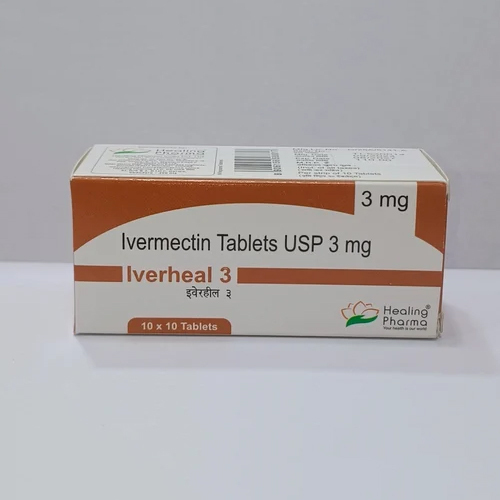
Ivermectin 3mg is the tablet strength of Stromectol, the Merck brand, and of its US generics. It is a precise antiparasitic medicine. The FDA label approves it for two worm infections, and the dose is worked out from the patient’s body weight, not picked from a single standard number. That is why one prescription might call for two tablets and the next for five. This page follows the label in order. It covers what the drug is approved for, how the weight bands work, how to take it, who needs screening first, what reactions to expect, and where the evidence stands on the uses that dominate social media.
Throughout, “the label” means the current US prescribing information for Stromectol on DailyMed. Where a use is off-label, we say so plainly.
Two approved targets for ivermectin 3mg: threadworm and river blindness
The label lists exactly two indications for oral ivermectin. Both are infections with roundworms (nematodes). Everything else you may have heard about ivermectin tablets is either off-label prescribing or not supported by evidence.
Intestinal strongyloidiasis
Strongyloidiasis is an infection with Strongyloides stercoralis, sometimes called threadworm. The larvae live in contaminated soil and get in through bare skin, usually the feet. According to the CDC, some worms that mature inside the gut can re-infect the same person through the bowel or anal wall. That cycle is why the infection can quietly persist long after someone has left an endemic area.
The label approval is specific. It covers intestinal, or nondisseminated, strongyloidiasis. Many people have mild gut symptoms, a rash or no symptoms at all. The infection matters most in people whose immune system is suppressed, for example by corticosteroids. In them, it can become severe or life-threatening. If you are about to start steroids or other immune-suppressing treatment and have lived in a tropical or subtropical region, your doctor may test for threadworm first.
Onchocerciasis (river blindness)
Onchocerciasis is caused by Onchocerca volvulus. Blackflies that breed near fast-flowing rivers spread it. The CDC overview of river blindness notes that it occurs mainly in rural sub-Saharan Africa, with small foci in Yemen and on the Brazil–Venezuela border. Short-term tourists rarely catch it. Long-stay workers, missionaries and field researchers face more risk. Symptoms include intense itching, skin changes, lumps under the skin and, over years, eye damage.
Here the label draws a careful line. Ivermectin kills the microfilariae, the tiny larval worms that cause the skin and eye disease. It does not kill the adult worms living in nodules. So a single dose controls the disease rather than curing it, and repeat doses are often needed. The label mentions that surgical removal of nodules may be considered.
Why ivermectin 3mg tablets are counted by body weight
The 3 mg tablet is a building block. The label sets a target dose per kilogram of body weight, then translates that target into whole tablets across a series of weight bands.
- Strongyloidiasis: a single dose of about 200 micrograms per kilogram (mcg/kg).
- Onchocerciasis: a single dose of about 150 mcg/kg.
Because the two targets differ, the same person can need a different tablet count for each infection. The table below rearranges the label’s two weight tables side by side. Read across from the tablet count to see which weight range the label assigns to it for each condition.
| Ivermectin 3mg tablets in the single dose (total) | Strongyloidiasis band (target ~200 mcg/kg) | Onchocerciasis band (target ~150 mcg/kg) |
|---|---|---|
| 1 tablet (3 mg) | 15–24 kg | 15–25 kg |
| 2 tablets (6 mg) | 25–35 kg | 26–44 kg |
| 3 tablets (9 mg) | 36–50 kg | 45–64 kg |
| 4 tablets (12 mg) | 51–65 kg | 65–84 kg |
| 5 tablets (15 mg) | 66–79 kg | Not used as a band |
| Calculated individually | 80 kg or more: 200 mcg/kg | 85 kg or more: 150 mcg/kg |
Source: weight tables in the US Stromectol prescribing information, reformatted. This table explains the label. It is not a self-dosing chart. Your prescriber confirms the diagnosis, weighs you, and writes the tablet count on your prescription.
How the rounding works in practice
Take a 70 kg adult being treated for strongyloidiasis. At 200 mcg/kg, the exact figure is 14 mg. Tablets come in 3 mg steps, so the label’s band puts this person at five tablets, or 15 mg. The bands are built so that rounding stays close to the target. That is also why some pharmacies prefer the 3 mg strength. It lets a prescriber match a dose to a body weight without splitting tablets. For heavier patients, or when fewer tablets are wanted, a prescriber may choose a larger strength such as ivermectin 6 mg tablets. Strengths above 12 mg are a separate topic, covered in our note on higher-strength ivermectin products.
The lowest band starts at 15 kg, roughly 33 lb. The label does not set a dose for anyone lighter than that. We come back to this below.
What happens after the dose
For strongyloidiasis, the label says extra doses are generally not needed. It does call for follow-up stool examinations to confirm the worms are gone. MedlinePlus describes this as at least three stool checks over the first three months. For onchocerciasis, the timing of repeat doses depends on the setting. Community mass-treatment programs usually re-dose once a year. For an individual patient, the label allows retreatment as early as three months. Your prescriber decides which applies to you.
Taking ivermectin 3mg: the empty-stomach rule
The label instruction is short. Take the tablets on an empty stomach with water. All the tablets in your dose are taken together, at one time, unless your prescriber tells you otherwise.
Food matters because a meal, especially a fatty one, raises how much ivermectin the body absorbs. For the approved indications, the label is built around the fasting state. You may see a different instruction if your doctor prescribes ivermectin off-label for scabies, as explained in the next section. In that case, follow the directions on your own prescription. When two sources seem to disagree, our guide to reading your pharmacy prescription label explains which line on the bottle takes priority. If in doubt, ask the pharmacist before you take anything.
A few practical points:
- Swallow the tablets whole with a full glass of water.
- Do not take extra tablets “to be sure”. A larger dose does not clear worms faster, and neurological side effects become more likely.
- Store tablets at room temperature, away from moisture and out of reach of children. Our general advice on storing prescription medicines safely applies here too.
- If any tablets are left over, do not keep them for a “next time”. Use a drug take-back option. See our guide to disposing of unused medicines.
Off-label prescribing: scabies and head lice
US doctors may prescribe an approved drug for an unapproved use when they judge it appropriate. Oral ivermectin is commonly used this way for two skin infestations. Neither is on the oral tablet’s label.
Scabies
The CDC’s clinical guidance on scabies confirms that oral ivermectin is not FDA-approved for scabies. It also notes cure rates similar to topical permethrin. For classic scabies, the CDC describes two doses at 200 mcg/kg, given 7 to 14 days apart. Unlike the label, CDC experts suggest taking these doses with food to improve absorption. Crusted scabies is a more severe form. It is treated with several ivermectin doses plus a topical agent under close medical supervision. Household outbreak management, with treatment for close contacts, washing bedding and timing a second dose, is covered on our ivermectin 12 mg scabies page.
Head lice
Head lice are a different case. FDA has approved a topical ivermectin 0.5% lotion for head lice in people aged six months and older. Oral tablets are not approved for lice. The CDC’s head lice treatment page says oral ivermectin can still work when other treatments fail. It describes a single dose of 200 or 400 mcg/kg, repeated after 9 to 10 days. The CDC also says not to use the tablets in children under 15 kg or in pregnant women. For most families, a lotion, careful combing and the steps in our article on getting rid of lice at home come first. Tablets are a doctor’s decision for stubborn cases.
Before any ivermectin dose: the Loa loa question. If you have lived in, or spent a long time in, the rainforest regions of West or Central Africa, tell your prescriber before you take ivermectin 3mg. People with a heavy Loa loa (African eye worm) infection can develop a rare but serious, sometimes fatal, brain reaction (encephalopathy) after treatment. A blood test can check for loiasis first.
The Loa loa screen: who must be checked first
Loa loa is another filarial worm. It is spread by deer flies in parts of West and Central Africa, often in the same areas as river blindness. Many infected people never notice it, or only see an occasional worm crossing the eye. The danger comes from what happens when large numbers of its microfilariae in the blood die quickly.
The label warns that, rarely, onchocerciasis patients heavily co-infected with Loa loa have developed serious or fatal encephalopathy after ivermectin. The label therefore advises assessing patients with significant exposure to Loa loa-endemic areas for loiasis before treatment. In practice, that often means a daytime blood smear to count microfilariae.
Who should raise this with their doctor:
- People born in, or who grew up in, Cameroon, Gabon, the Republic of the Congo, the Democratic Republic of the Congo, the Central African Republic, Equatorial Guinea, Nigeria or neighbouring rainforest areas. This list is illustrative. Your doctor will judge exposure.
- Long-term expatriates, aid workers, missionaries and researchers who spent months in those regions.
- Anyone who has ever seen a worm move across the white of the eye, or had “Calabar swellings”, which are temporary, itchy swellings on the arms or face.
After a dose, MedlinePlus advises people with a history of loiasis, or travel to West or Central Africa, to get urgent care for warning signs. These include blurred vision, head or neck pain, seizures, or trouble standing or walking. Our article on what blurred vision after a medicine can mean explains why sudden vision change always needs prompt assessment.
Reactions to expect with ivermectin 3mg, and the ones to act on
Side effects depend heavily on which infection is being treated. With strongyloidiasis, the drug acts on worms in the gut, and most people notice very little. With onchocerciasis, it kills microfilariae spread through the skin and eyes, and the body’s reaction to dying parasites causes most of the symptoms.
In strongyloidiasis trials: mild and uncommon
In the label’s strongyloidiasis studies (109 patients), the most frequent complaints were each reported by fewer than 3 in 100 people:
- dizziness (about 2.8%). Our article on dizziness as a medicine side effect covers sensible precautions such as standing up slowly.
- itching (about 2.8%). See our explainer on drug-related itching and when to worry.
- diarrhea and nausea (each about 1.8%). General tips are in our piece on easing medicine-related nausea.
Tiredness, loss of appetite, stomach pain, constipation and tremor have also been reported. MedlinePlus lists sleepiness among the side effects that need a call to your doctor. If you notice unusual drowsiness, our guide to medicines that make you tired explains when to hold off on driving.
In onchocerciasis: the Mazzotti reaction
When large numbers of skin microfilariae die at once, the immune system reacts. This is called the Mazzotti reaction. In the label’s onchocerciasis data (963 adults), in the first four days after a dose:
- itching was reported by about 27.5%,
- skin reactions such as rash, swelling or bumps by about 22.7%,
- fever by about 22.6%,
- tender or enlarged lymph nodes in the groin by about 12.6%,
- joint pain or swelling by about 9.3%.
Eye irritation, rapid heartbeat and a drop in blood pressure on standing can also occur. These reactions usually settle within days. Doctors often manage them with rest, fluids and simple symptom relief. People with hyperreactive onchodermatitis (sowda), a severe skin form of the disease, may react more strongly. Feeling faint when you stand up is a reason to lie down and call your doctor.
Rare neurological effects
The label describes rare reports of confusion, disorientation, reduced consciousness, stupor, coma and death. Most cases resolved with supportive care after the drug was stopped. The risk rises with overdose. Get emergency help (call 911) for seizures, severe confusion, fainting, trouble breathing or someone who cannot be woken. For questions about an extra dose or a child who swallowed tablets, call Poison Help at 1-800-222-1222. This free line from HRSA is open 24/7 and connects you to your local poison center.
Interaction checkpoints: warfarin and the rest of your list
The label notes rare postmarketing reports of a raised INR in people taking ivermectin with warfarin. INR is the blood test that measures how long blood takes to clot. A higher INR means a higher bleeding risk. If you take warfarin, your prescriber may want an extra INR check after treatment. Watch for unusual bruising, nosebleeds, blood in the urine or black stools.
FDA also cautions that ivermectin can interact with other medicines, including blood thinners. Before any course, give your prescriber and pharmacist a complete list. Our guide to keeping a full medication interaction list shows a simple way to do that. Include supplements too. Our piece on checking vitamins and supplements with a prescription explains why they belong on the list.
Other points to raise with your prescriber:
- Liver disease. Ivermectin is broken down by the liver. Background on how liver disease affects medicines may help you frame the conversation.
- Drugs that depress the brain, such as sedatives and alcohol. They may add to dizziness or drowsiness.
- Immune-suppressing treatment. This is less about an interaction and more about timing. Treating threadworm before steroids or chemotherapy can prevent a dangerous flare.
If you have several worm infections, or a doctor is weighing an alternative antiparasitic, our page on albendazole 400 mg explains a drug with a different spectrum and its own label rules.
Human tablets vs animal products: two different medicines
Ivermectin is one of the most widely used drugs in veterinary medicine. It comes as pour-ons, injectables, pastes, chewables and drenches for cattle, horses, sheep and pets. FDA states plainly that these animal products are approved only for treating parasites in animals. They are formulated differently, often at far higher concentrations, and have not been tested for safety in people. FDA advises never using animal medicines on yourself or other people. It has received reports of people who needed medical care, including hospital admission, after taking livestock ivermectin.
The same rule runs the other way. Human tablets should not be given to pets without a veterinarian’s instruction. Some dog breeds are highly sensitive to ivermectin. Our articles on human anxiety medicines in dogs and how gabapentin is used in dogs show how differently species handle the same drug.
Similar claims circulate about other animal dewormers. Our article on fenbendazole and humans looks at a related product that is often promoted online.
COVID-19 and cancer: what the evidence shows
Ivermectin became widely known during the pandemic, and more recently in cancer forums. The facts below are stated neutrally and with sources. Separating persistent claims from tested results is the theme of our myths-versus-facts guide to medicines.
COVID-19
- FDA: FDA has not authorized or approved ivermectin to prevent or treat COVID-19. It says the clinical trial data available do not show the drug is effective against COVID-19 in people. See the FDA consumer update on ivermectin and COVID-19.
- Large randomized trials: In the US ACTIV-6 platform trial, published in JAMA in 2022, outpatients took ivermectin 400 mcg/kg daily for three days. Median time to recovery was 12 days, compared with 13 days on placebo. This did not meet the trial’s threshold for benefit. The authors concluded that the results do not support ivermectin for mild to moderate COVID-19. A higher-dose arm (600 mcg/kg for six days), also published in JAMA, reached the same conclusion. The TOGETHER trial in Brazil, published in 2022, found no reduction in hospital care.
- NIH: The NIH COVID-19 Treatment Guidelines panel recommended against ivermectin for COVID-19 except in clinical trials. Those guidelines have since been archived.
Cancer
Ivermectin is not approved to treat any cancer. Laboratory and animal studies have reported effects on cancer cells, but no large randomized trial has shown benefit in people. In early 2026, the National Cancer Institute said it had begun preclinical (laboratory) studies of the drug. Many oncologists have said publicly that this does not show the drug works in patients. People have been harmed by taking high doses of ivermectin on their own. The bigger risk is delaying cancer treatment that is proven to work. If you are considering ivermectin alongside cancer care, talk to your oncologist first.
Pregnancy, breastfeeding, small children and older adults
Pregnancy
In animal studies, ivermectin caused birth defects at doses well above those used in people. Safety in human pregnancy has not been established, and the label does not recommend use in pregnancy. If you are pregnant, could be pregnant or are planning a pregnancy, tell your prescriber. They can weigh the risk of the infection against the risk of treatment, and some infections can safely wait until after delivery. Our article on how doctors weigh medicines during pregnancy describes that kind of conversation.
Breastfeeding
Ivermectin passes into breast milk in low amounts. The label advises treating a breastfeeding mother only when the risk of delaying treatment outweighs the possible risk to the baby. Our guide to breastfeeding while on a prescription covers questions to ask about timing and infant monitoring.
Children under 15 kg
The label states that safety and effectiveness have not been established in children who weigh less than 15 kg (about 33 lb). Its weight tables start at 15 kg for this reason. The CDC repeats the 15 kg limit for off-label lice and scabies use. Younger, lighter children with these conditions are usually offered other treatments. Keep all tablets locked away. Our tips on keeping household medicines away from children apply to any prescription bottle.
Older adults
Too few people aged 65 and over were in the original studies to show whether they respond differently. The label suggests care because older adults more often have reduced liver, kidney or heart function and take more medicines. Our article on medicine safety in older adults gives general context.
Travel and the right source
Travelers sometimes bring back an undiagnosed parasite, and some carry medicines abroad. Our notes on flying with prescription medicines cover packing and paperwork. Always get ivermectin 3mg from a licensed pharmacy against a valid prescription. Our page answering questions about NewLifeMedix’s legitimacy explains how we handle prescriptions. To prepare for your appointment, see our tips on talking openly with your doctor about a prescription.
Ivermectin 3mg FAQ
How many ivermectin 3mg tablets are in a typical dose?
It depends on your weight and the infection. Under the label, a strongyloidiasis dose ranges from one tablet (15–24 kg) to five tablets (66–79 kg), with heavier patients dosed by calculation. Onchocerciasis bands are wider because the target is lower. Your prescription will state your exact count.
Should ivermectin be taken on an empty stomach?
Yes, for the approved uses. The label says to take the tablets on an empty stomach with water. For off-label scabies treatment, CDC experts suggest taking it with food. Follow the instructions on your own prescription.
What is ivermectin 3mg used for?
The FDA label covers two infections: intestinal strongyloidiasis (threadworm) and onchocerciasis (river blindness). Doctors also prescribe it off-label for scabies and, less often, head lice.
Is oral ivermectin approved for scabies?
No. The CDC confirms oral ivermectin is not FDA-approved for scabies. It is still a widely used off-label option, with cure rates similar to permethrin cream.
Can I use horse or cattle ivermectin instead?
No. FDA warns that veterinary ivermectin products are made for animals, often at much higher strengths. They have not been tested in people, and some people have been hospitalized after taking them.
Does ivermectin treat or prevent COVID-19?
Large randomized trials, including ACTIV-6 and TOGETHER, did not show meaningful benefit. FDA has not authorized or approved it for COVID-19.
Why do I need a blood test before taking ivermectin?
If you have significant exposure to West or Central African rainforest regions, the label advises checking for Loa loa. A heavy infection raises the risk of a rare, serious brain reaction after treatment.
Is ivermectin safe during pregnancy?
Safety in pregnancy has not been established, and the label does not recommend use. Tell your prescriber if you are or may be pregnant.
What side effects are most common?
For threadworm, side effects are uncommon. Dizziness, itching, nausea and diarrhea each affected fewer than 3% of patients in trials. For river blindness, itching, rash, fever, swollen glands and joint pain are common in the first few days, as the larvae die off.
Key takeaways
- Ivermectin 3mg is a prescription tablet approved for intestinal strongyloidiasis and onchocerciasis.
- The label doses by weight: about 200 mcg/kg for threadworm and about 150 mcg/kg for river blindness, converted into whole 3 mg tablets.
- Take it on an empty stomach with water unless your prescription says otherwise.
- Scabies and oral treatment for head lice are off-label uses, directed by your doctor.
- Anyone with significant exposure to West or Central Africa should be checked for Loa loa before a dose.
- If you take warfarin, ask about an INR check. Never use animal ivermectin products.
- FDA and large trials do not support ivermectin for COVID-19. It is not an approved cancer treatment.
- Pregnancy and children under 15 kg need a different plan. Ask your prescriber.
This description is for information only and does not replace advice from your doctor or pharmacist. Use only as prescribed.
Prescription required. Ivermectin 3 mg tablets are a prescription-only medicine in the US. Your prescriber chooses the drug, the dose and how long treatment lasts, based on the parasite confirmed and your body weight. Do not take leftover tablets from an earlier course, and do not share tablets with family or friends, even if their symptoms look like yours.
Reviews
There are no reviews yet.