
If you’ve just picked up a prescription for oxycodone, your pharmacist probably handed you a stack of warnings about alcohol and other medications. But few people mention the food sitting in your kitchen. Certain foods can change how your body absorbs and processes oxycodone, sometimes making the drug more dangerous or less effective. Knowing which foods to avoid while taking oxycodone can help you manage pain safely without unexpected side effects.
In this guide, we’ll walk through the specific foods and drinks that interact with oxycodone, explain the science behind why they matter, and offer practical tips for eating well while on this medication. Whether you’re taking oxycodone for post-surgical pain, chronic pain, or a short-term injury, this information applies to you.
Why Food Matters When Taking Oxycodone
Oxycodone is a powerful opioid painkiller that your liver metabolizes primarily through an enzyme system called cytochrome P450, specifically the CYP3A4 and CYP2D6 pathways. Some foods and beverages interfere with these enzymes, either speeding up or slowing down how quickly your body breaks down the drug.
When metabolism slows down, oxycodone can build up in your bloodstream, raising the risk of side effects like drowsiness, dizziness, nausea, and in severe cases, slowed or stopped breathing. When metabolism speeds up, the drug may clear your system too fast, leaving your pain unmanaged. Beyond metabolism, some foods simply worsen common oxycodone side effects like constipation, stomach upset, or low blood pressure.
This is why doctors and pharmacists recommend paying close attention to your diet, not just your other medications, while on oxycodone therapy.
Foods and Drinks to Avoid While Taking Oxycodone
1. Grapefruit and Grapefruit Juice
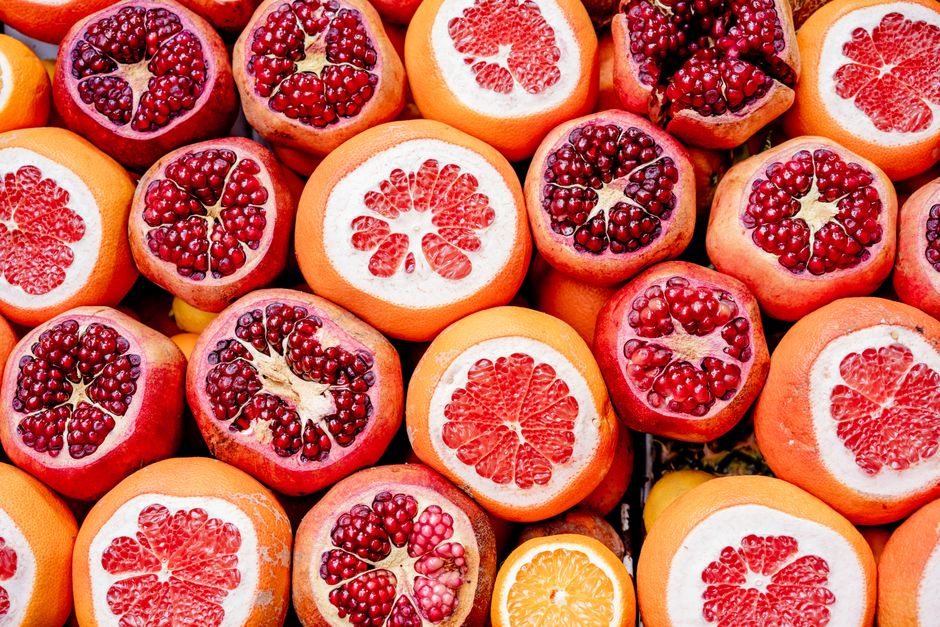
Grapefruit is probably the most well-known food interaction with opioid medications, and for good reason. Grapefruit contains compounds called furanocoumarins that inhibit the CYP3A4 enzyme in your intestines and liver. This enzyme plays a major role in breaking down oxycodone.
When you eat grapefruit or drink its juice while taking oxycodone, your body may absorb more of the drug than intended. This can lead to:
- Increased sedation and drowsiness
- Slower breathing rate
- Higher risk of overdose symptoms even at a normal prescribed dose
According to Mayo Clinic, grapefruit’s effect on drug metabolism can last for up to 72 hours after consumption, so even having it the day before your dose could still affect you. It’s best to avoid grapefruit entirely during treatment, not just around dosing times.
2. Alcohol and Alcohol-Containing Foods
Alcohol is technically a beverage, not a food, but it’s worth mentioning because it can hide in foods too, think rum-soaked desserts, wine reductions, or beer-battered dishes. Combining alcohol with oxycodone is one of the most dangerous interactions you can have.
Both substances depress the central nervous system, and together they can cause extreme sedation, slowed breathing, and even fatal respiratory depression. For a deeper look at this specific risk, check out our article on oxycodone and alcohol risks.
Even small amounts of alcohol in cooking can add up if consumed regularly, so it’s safer to skip alcohol-based recipes altogether while you’re on this medication.
3. High-Fat and Fried Foods
Fatty meals don’t cause a dangerous drug interaction the way grapefruit does, but they can change how quickly oxycodone, especially extended-release formulations, gets absorbed into your bloodstream. Some studies suggest high-fat meals can increase peak drug concentration, which may intensify side effects like dizziness or nausea shortly after taking your dose.
Fried and greasy foods also slow digestion, which can worsen the constipation that’s already common with opioid use. If you’re prone to sluggish digestion, cutting back on:
- Fried chicken, fries, and fast food
- Heavy cream sauces
- Fatty cuts of red meat
can help keep your digestive system moving more comfortably.
4. High-Fiber Foods in Excess (When Constipated)
This one sounds counterintuitive because fiber is usually recommended to fight constipation. However, if you’re already dealing with severe opioid-induced constipation, suddenly loading up on raw fiber, like large amounts of bran, raw vegetables, or whole nuts, without enough water can actually worsen bloating and abdominal discomfort.
Opioids slow down the muscles in your intestines, so fiber needs adequate fluid to move through your system. Introduce fiber gradually and pair it with plenty of water rather than eating large amounts all at once.
5. Foods High in Tyramine (If You’re on Additional Medications)
Tyramine is a naturally occurring compound found in aged and fermented foods. While tyramine itself doesn’t directly interact with oxycodone, it becomes a concern if you’re also taking monoamine oxidase inhibitors (MAOIs) for depression or another condition alongside oxycodone. This combination can cause dangerous blood pressure spikes.
Foods high in tyramine include:
- Aged cheeses like blue cheese, parmesan, and aged cheddar
- Cured or smoked meats
- Fermented soy products like soy sauce and miso
- Some red wines
If you’re on any MAOI medication, talk to your doctor about safe dietary limits while also taking oxycodone.
6. Caffeine in Large Quantities
Caffeine isn’t strictly forbidden with oxycodone, but it can amplify certain side effects like jitteriness, rapid heartbeat, or anxiety, especially if you’re sensitive to stimulants. Interestingly, some combination pain relievers actually include small amounts of caffeine to boost effectiveness, so the relationship is complex.
Still, heavy coffee, energy drink, or soda consumption can mask how sedated you actually feel, which might lead you to underestimate how much the oxycodone is affecting your coordination or alertness. If you’re managing anxiety alongside oxycodone use, it’s worth reading our article on whether oxycodone can cause anxiety, since excess caffeine can compound those feelings.
7. Carbonated and Sugary Drinks
Carbonated beverages can increase bloating and gas, which is uncomfortable when combined with opioid-induced constipation. Sugary drinks, meanwhile, offer little nutritional benefit and can contribute to blood sugar swings that make nausea feel worse.
Sticking with water, herbal tea, or diluted natural juices (excluding grapefruit) is a gentler choice for your digestive system while on oxycodone.
Why Grapefruit Deserves Special Attention
Because grapefruit’s interaction with oxycodone is backed by strong clinical evidence, it deserves a closer look. The furanocoumarins in grapefruit don’t just affect oxycodone, they interfere with a wide range of medications processed by CYP3A4, including certain statins, blood pressure medications, and immunosuppressants.
If you enjoy grapefruit regularly, talk to your prescribing doctor or pharmacist about how long you should avoid it before and during oxycodone treatment. Many providers recommend avoiding it completely for the full duration of opioid therapy rather than trying to time your intake around doses.
Foods That May Actually Help While Taking Oxycodone
It’s not all about restriction. Certain foods can help offset the common side effects of oxycodone and support your overall recovery.
Fiber-Rich Foods (Introduced Gradually)
Cooked vegetables, oatmeal, whole grains, and fruits like pears and prunes can help ease constipation when paired with adequate water intake. Prunes and prune juice, in particular, are often recommended by physicians for opioid-related constipation.
Water and Hydrating Foods
Staying well-hydrated supports kidney function and helps your body process the medication more efficiently. Foods with high water content, like cucumbers, watermelon, and soups, can support hydration alongside plain water.
Ginger
Ginger tea or ginger-infused foods may help calm the nausea that sometimes accompanies oxycodone use, especially when starting the medication.
Probiotic Foods
Yogurt, kefir, and other probiotic-rich foods can support gut health, which is often disrupted by opioid use. A healthier gut microbiome may help ease some digestive discomfort over time.
Other Lifestyle Factors That Affect Oxycodone Safety
Diet is just one piece of the puzzle. If you’re taking oxycodone, it’s worth reviewing other factors that influence how the drug behaves in your system.
- Other medications: Certain drugs, like antifungals, can significantly change oxycodone levels in your blood. Our article on fluconazole and oxycodone interactions covers one important example.
- Over-the-counter pain relievers: Combining oxycodone with other pain medications requires caution. See our guides on taking Tylenol with oxycodone and taking naproxen with oxycodone for more detail.
- Driving and daily activities: Oxycodone’s sedative effects can impair coordination and reaction time. Learn more in our post about driving after taking oxycodone.
Being mindful of these overlapping factors, alongside your diet, gives you a fuller picture of how to use oxycodone safely.
Tips for Eating Safely While on Oxycodone
Managing your diet while on oxycodone doesn’t have to be complicated. A few practical habits can go a long way:
- Read ingredient labels on packaged foods and drinks for hidden grapefruit or alcohol content.
- Eat smaller, more frequent meals if oxycodone causes nausea or appetite changes.
- Keep a food and symptom journal during the first few weeks to spot any personal sensitivities.
- Ask your pharmacist directly about food interactions when you pick up your prescription.
- Avoid sudden major diet changes, like starting a juice cleanse or fasting, without medical guidance.
As a general rule, moderation and consistency matter more than eliminating entire food groups unnecessarily. Focus on avoiding the specific high-risk items, like grapefruit and alcohol, while keeping the rest of your diet balanced.
When to Call Your Doctor
Even with careful food choices, you should contact your doctor or seek emergency care if you experience:
- Extreme drowsiness or difficulty staying awake
- Slow, shallow, or labored breathing
- Severe confusion or dizziness
- Persistent vomiting or inability to keep fluids down
- Signs of an allergic reaction, such as swelling or difficulty breathing
These symptoms can indicate that oxycodone levels have risen too high in your system, whether from a food interaction, another medication, or an incorrect dose. Never hesitate to seek medical attention if something feels wrong.
Frequently Asked Questions
Can I drink coffee while taking oxycodone?
Yes, moderate coffee consumption is generally considered safe with oxycodone. However, large amounts of caffeine can increase jitteriness or heart rate and may mask how sedated you truly feel, so it’s best to keep intake moderate.
Why is grapefruit specifically dangerous with oxycodone?
Grapefruit contains compounds that block the CYP3A4 enzyme responsible for breaking down oxycodone in your liver and intestines. This can cause the drug to build up in your bloodstream, increasing the risk of sedation, breathing problems, and other serious side effects.
Does eating a big meal before taking oxycodone change how it works?
High-fat meals can affect how quickly extended-release oxycodone is absorbed, sometimes leading to a faster or higher peak in blood levels. It’s a good idea to take oxycodone consistently, either always with food or always without, based on your doctor’s specific instructions.
What should I eat to help with oxycodone-related constipation?
Gradually increasing fiber intake through cooked vegetables, oatmeal, and fruits like prunes, combined with plenty of water, can help. Probiotic foods like yogurt may also support digestive health during opioid treatment.
Is it safe to drink alcohol occasionally while on oxycodone?
No, even small amounts of alcohol combined with oxycodone can significantly increase the risk of dangerous sedation and slowed breathing. It’s safest to avoid alcohol completely during treatment.
Final Thoughts
Understanding which foods to avoid while taking oxycodone is a simple but important part of using this medication safely. Grapefruit and alcohol top the list of items to eliminate entirely, while high-fat foods, excess caffeine, and certain fermented foods deserve moderation depending on your individual health situation. Pairing smart food choices with open communication with your doctor or pharmacist gives you the best chance of managing pain effectively while minimizing risk.
If you’re ever uncertain about a specific food, drink, or supplement, it’s always worth a quick check with your healthcare provider or a resource like Drugs.com before adding it back into your routine.