
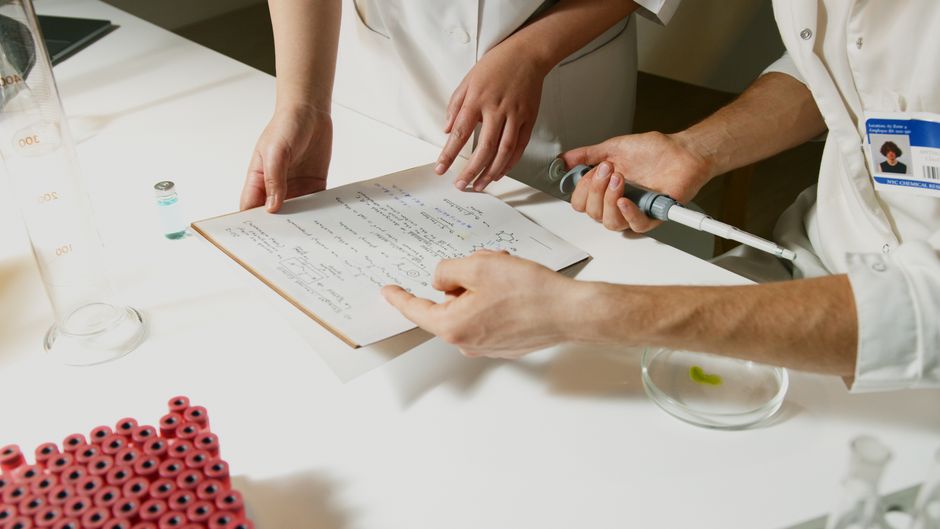
You took oxycodone, whether prescribed or otherwise, and you fully expected a drug test to catch it. Instead, the result came back negative. Now you’re confused, maybe even worried that something is wrong with the test, your prescription, or your own body chemistry.
This situation happens more often than most people realize. A drug test didn’t detect oxycodone for reasons that have nothing to do with fraud or a broken lab machine. In this article, you’ll learn exactly why standard drug tests frequently miss oxycodone, how testing panels and cutoff levels work, what role timing and metabolism play, and what steps to take if you find yourself facing an unexpected result. By the end, you’ll understand the science behind opioid testing well enough to make sense of your own situation.
Understanding How Drug Tests Detect Oxycodone
Oxycodone is a semi-synthetic opioid, chemically related to but structurally different from natural opiates like morphine and codeine. That distinction matters enormously when it comes to drug testing, because many of the most common drug screens were designed decades ago to catch natural opiates, not the newer synthetic and semi-synthetic painkillers that dominate prescriptions today.
Most drug tests work in two stages. The first stage is an immunoassay screen, a quick and inexpensive chemical test that uses antibodies designed to bind to specific drug molecules. If the antibodies recognize a substance in your sample, the test flags a presumptive positive. If they don’t recognize it, even if the drug is technically present, the result comes back negative.
The second stage, used to confirm a positive screen or to investigate a disputed result, is gas chromatography-mass spectrometry (GC-MS) or liquid chromatography-mass spectrometry (LC-MS). These confirmatory methods are far more precise and can identify oxycodone and its metabolites, oxymorphone and noroxycodone, with a high degree of accuracy. The catch is that confirmatory testing is usually only performed after an initial positive screen, or when specifically requested.
Standard Opiate Panels vs Extended Opioid Panels
This is where the confusion usually starts. A basic 5-panel drug test, the type widely used for pre-employment and workplace screening, typically checks for:
- Amphetamines
- Cocaine
- Marijuana (THC)
- Phencyclidine (PCP)
- Opiates (morphine and codeine)
Notice that oxycodone isn’t on that list. The
standard opiate immunoassay used in most 5-panel tests relies on antibodies that were calibrated decades ago to detect morphine and codeine, the two classic natural opiates derived directly from the poppy plant. Oxycodone, a semi-synthetic opioid, has a slightly different molecular structure. Those antibodies often don’t recognize it well, or don’t recognize it at all, unless it happens to be present in very high concentrations.
This is why so many people who are legitimately taking prescription oxycodone are shocked to learn that a basic opiate screen came back negative. It isn’t a flaw in their body or a sign that something is wrong. It’s simply a limitation of the test itself.
To reliably detect oxycodone, a lab needs to use an extended opiate panel, sometimes called a 10-panel or 12-panel test, which includes specific antibodies for oxycodone and its major metabolites, oxymorphone and noroxycodone. Many employers, especially in safety-sensitive industries, have started upgrading to these extended panels precisely because standard opiate screens miss so many commonly prescribed painkillers. If you’re navigating a workplace screening situation, it’s worth understanding exactly what employees need to know about prescription oxycodone and workplace drug tests, since the type of panel used can make a significant difference in the outcome.
Reason 2: The Test Was Taken Outside the Drug’s Detection Window
Every drug has a detection window, the period of time after use during which it can still be identified in a biological sample. Oxycodone’s detection window depends heavily on which type of sample is being tested.
- Urine: Typically detectable for 1 to 4 days after the last dose, though heavy or long-term users may test positive slightly longer.
- Blood: Detectable for a much shorter window, usually 12 to 24 hours, since oxycodone clears from the bloodstream relatively quickly.
- Saliva: Generally detectable for 1 to 2 days.
- Hair: Can reveal use going back as far as 90 days, but is rarely used for routine screening because it doesn’t reflect recent use.
If a test is administered even a day or two after these windows close, the drug may have already been fully metabolized and excreted, leading to a negative result even though oxycodone was clearly used. This is one of the most common and least understood reasons behind an unexpected negative. For a deeper breakdown of how these timeframes compare across different sample types, our guide on urine drug testing versus blood testing for oxycodone walks through exactly which method detects more and for how long.
Reason 3: Your Dose Fell Below the Test’s Cutoff Level
Drug tests aren’t designed to detect a single molecule of a substance. Instead, they use cutoff levels, minimum concentration thresholds that must be met before a result is flagged as positive. These thresholds exist to reduce false positives from trace environmental exposure or extremely minor, clinically insignificant amounts of a drug.
For oxycodone, cutoff levels commonly range between 100 and 300 nanograms per milliliter (ng/mL) for urine immunoassays, though the exact number varies by lab and by the specific panel being used. If someone took a low prescribed dose, took it several days before testing, or has a fast metabolism that clears the drug quickly, the concentration in their urine may simply never reach that threshold.
This is especially relevant for patients on low-dose oxycodone regimens for chronic pain, or for those tested toward the tail end of their prescription’s dosing interval. Understanding exactly where these thresholds are set, and how they can shift a technically-positive sample into negative territory, is covered in detail in our article on oxycodone drug test cutoff levels.
Reason 4: You Drank Too Much Water Before the Test
Overhydration is a surprisingly common culprit behind unexpected negative results. When someone drinks large amounts of water in the hours leading up to a drug test, whether intentionally to try to “flush” their system or simply because they were thirsty, it dilutes the concentration of drug metabolites in their urine.
Diluted samples can push metabolite concentrations below the cutoff threshold even when oxycodone is technically present in the body. Most labs check for dilution by measuring creatinine levels and specific gravity. A sample that’s too diluted may be flagged as “dilute negative” or “substituted,” which can trigger a retest rather than a straightforward negative result.
It’s a common myth that drinking excessive water is a reliable way to clear oxycodone from your system faster. In reality, water doesn’t accelerate the liver’s metabolism of the drug, it simply masks the concentration temporarily. We break this down thoroughly in does water help clear oxycodone from your system, including why this strategy can backfire during testing.
Reason 5: Your Body Metabolizes Oxycodone Differently Than Average
Not everyone processes oxycodone at the same rate. The liver enzyme primarily responsible for breaking down oxycodone, CYP3A4, along with CYP2D6 which converts a portion of oxycodone into oxymorphone, varies significantly from person to person based on genetics.
Some individuals are “ultra-rapid metabolizers,” meaning their bodies break down and clear oxycodone much faster than average. Others are “poor metabolizers,” processing the drug more slowly. These genetic differences can shift how quickly oxycodone concentrations rise and fall in urine, blood, and saliva, which in turn affects whether a test taken at a particular moment catches the drug at a detectable level.
Body composition, age, liver and kidney function, hydration status, and even the presence of other medications can all influence metabolism speed as well. According to information published by Mayo Clinic, individual variation in drug metabolism is one of the most significant factors affecting how medications behave in the body, and opioids are no exception.
Reason 6: The Wrong Sample Type Was Used for Your Situation
As mentioned earlier, different sample types have different detection windows and different sensitivities to oxycodone specifically. A blood test, for example, is excellent for detecting very recent use but has a narrow window that closes quickly. A urine test offers a longer window but can miss use that happened either very recently or several days prior. Saliva tests sit somewhere in between.
If the sample type chosen doesn’t match the timeframe being investigated, whether that’s a workplace incident, a pain management compliance check, or a legal proceeding, the result can easily come back negative even when oxycodone was genuinely used. This mismatch is one of the more overlooked reasons for a “failed” negative test. Our detailed comparison of urine versus blood testing for oxycodone explains which method is better suited to different testing goals.
Reason 7: Lab or Collection Errors Occurred
Human and procedural error is an uncomfortable but real possibility. Drug testing involves multiple steps, sample collection, labeling, transport, storage, and laboratory analysis, and a mistake at any point can affect the outcome.
Common issues include:
- Samples stored at incorrect temperatures, which can degrade certain metabolites over time.
- Mislabeled or mixed-up samples, especially in high-volume testing facilities.
- Improper collection technique that fails to capture a representative sample.
- Using outdated or improperly calibrated immunoassay kits.
- Chain-of-custody breaks that raise questions about sample integrity.
While reputable labs follow strict protocols specifically to prevent these issues, no system is entirely immune to error. If you strongly believe a negative result doesn’t reflect reality, requesting confirmatory GC-MS or LC-MS testing on the original sample, if it’s still available, is typically the most reliable way to resolve the discrepancy.
Reason 8: Drug Interactions Altered How Oxycodone Was Metabolized
Certain medications can speed up or slow down the enzymes responsible for breaking down oxycodone, which changes how quickly it appears and disappears from your system. Antifungal medications, certain antibiotics, and some antidepressants are known to interact with the CYP3A4 and CYP2D6 pathways that oxycodone relies on.
One well-documented example involves fluconazole, a common antifungal medication. When taken alongside oxycodone, fluconazole can inhibit the enzymes that metabolize the opioid, altering its concentration and clearance time in ways that can affect test outcomes. If you or someone you know has been on this combination, it’s worth reading our full breakdown of drug interactions between fluconazole and oxycodone to understand how it might influence both effectiveness and detectability.
Reason 9: You Took an Extended-Release Formulation
Oxycodone is available in both immediate-release and extended-release (ER) formulations, such as OxyContin. Extended-release versions are designed to release the medication slowly over 12 hours rather than all at once, which changes the pharmacokinetics significantly compared to immediate-release tablets.
Because ER formulations produce lower peak concentrations spread out over a longer period, rather than a sharp spike shortly after ingestion, urine and blood concentrations at any single point in time may be lower than they would be with an equivalent dose of immediate-release oxycodone. Depending on timing, this can occasionally result in concentrations that hover right around, or just under, a test’s cutoff level.
What to Do If You Get an Unexpected Negative Result
If you were expecting a positive result, perhaps because you’re trying to document compliance with a prescription, or because a negative result seems suspicious in a clinical or legal context, there are a few practical steps worth taking. First, find out exactly which panel was used and whether it specifically screens for oxycodone rather than just natural opiates. Second, note the exact timing of your last dose relative to when the sample was collected. Third, ask whether the sample was checked for dilution, since an unusually low creatinine reading can explain an otherwise confusing result. Finally, if the stakes are high, request confirmatory testing using GC-MS or LC-MS, which offers far greater sensitivity and specificity than a standard immunoassay screen.
Keeping documentation of your prescription, dosage schedule, and any relevant medical conditions can also be valuable if you need to dispute a result or explain a discrepancy to an employer, physician, or legal authority.
Frequently Asked Questions
Can oxycodone be missed by a standard drug test even if I took it that same day?
Yes. If the test used is a basic 5-panel opiate screen rather than an extended opioid panel, the antibodies may not recognize oxycodone at all, regardless of how recently it was taken. The issue isn’t timing in this case, it’s the type of test being used.
According to health information published by Healthline, many standard opiate immunoassays were developed before semi-synthetic opioids like oxycodone became widely prescribed, which is part of why cross-reactivity with these antibodies can be inconsistent.
Does a negative oxycodone test mean I’m not taking my medication as prescribed?
Not necessarily. A negative result can happen for many legitimate reasons, including testing outside the detection window, low dosage, individual metabolism differences, sample dilution, or simply using a test panel that doesn’t screen specifically for oxycodone. It’s important not to jump to conclusions about medication compliance based on a single negative screen.
How long after taking oxycodone should I wait before expecting a positive urine test?
Oxycodone typically becomes detectable in urine within 1 to 3 hours after ingestion and generally remains detectable for 1 to 4 days, depending on dose, frequency of use, and individual metabolism. Testing too soon after ingestion, before the drug has been absorbed and metabolized, can also occasionally produce a false negative.
Can drinking a lot of water really cause a false negative for oxycodone?
Yes, indirectly. Excessive water intake dilutes urine, which can lower the concentration of oxycodone metabolites below a lab’s cutoff threshold even though the drug is still present in the body. Most labs screen for dilution using creatinine and specific gravity checks, so an overly diluted sample may be flagged rather than simply passing as negative.
Should I ask for a different type of drug test if I believe my result is inaccurate?
If you have a legitimate reason to question a negative result, such as a documented prescription and a clear dosing schedule, it’s reasonable to ask whether an extended opioid panel or confirmatory GC-MS/LC-MS testing can be performed. These methods are significantly more accurate for detecting oxycodone specifically and can help clarify a disputed or confusing result.
Final Thoughts
An unexpected negative oxycodone test result can feel alarming, especially if you’re trying to prove compliance with a prescription or explain a situation to an employer or physician. In most cases, though, the explanation has nothing to do with dishonesty or a malfunctioning body. It comes down to the mechanics of drug testing itself: which panel was used, how much time had passed, how concentrated the sample was, and how your unique metabolism handles the drug.
Understanding these nine reasons, from outdated opiate panels that simply weren’t built to catch oxycodone, to dilution, dosage, metabolism, and formulation differences, can help you interpret results more accurately and advocate for appropriate confirmatory testing when it matters. If you’re ever unsure why a result came back the way it did, the safest approach is always to ask specific questions about the testing method used and, when necessary, request more precise laboratory analysis.