
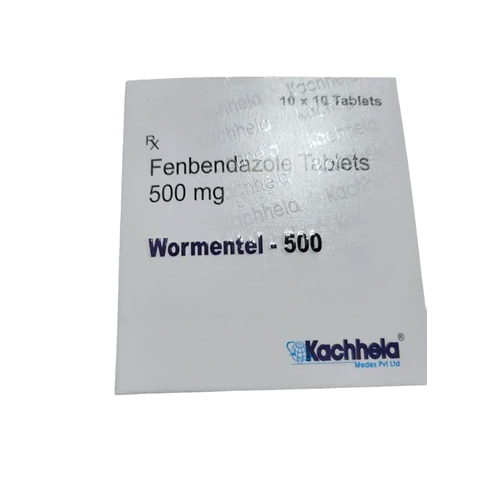
Description
We wrote this guide for people living with cancer and for the partners, children and friends who are searching late at night on their behalf. Wanting to try everything is a normal, loving response to a frightening diagnosis. Our aim is to lay out the evidence plainly and help you take good questions back to your care team.
Where the strengths come from: decoding 150mg, 222mg, 444mg and 500mg
Search results for fenbendazole for humans are full of numbers. People type “fenbendazole 222mg”, “fenbendazole 444mg” or “fenbendazole 500mg capsules” as if these were human prescription strengths. They are not. Each number traces back to a veterinary product or to an unregulated capsule sold online.
The most common source is a dog dewormer. The US label for Panacur C, a canine dewormer, describes granules containing 22.2% fenbendazole, which works out to 222 mg per gram. The granules come in 1 g, 2 g and 4 g packets, sized to a dog’s weight. So “222 mg” is simply what is inside one gram of dog granules, and “444 mg” is what is inside two grams. Neither number was ever set for a human being.
| Number you see | What it usually is | Regulated for |
|---|---|---|
| 222 mg (or 222 mg/g) | The fenbendazole content of 1 g of 22.2% dog granules; also copied onto some online capsules | Dogs (and, in some countries, other animals) as a dewormer |
| 444 mg | Two grams of the same 22.2% granules, or a capsule sold online at “double” strength | Not a regulated strength for any species that we could find |
| 150 mg capsules | Capsules marketed online, often as “supplements” or “research” products | Not approved as a human medicine |
| 250 mg tablets | Veterinary tablets for cats and dogs in some European countries | Animals only, usually on a vet’s prescription |
| 500 mg capsules or tablets | Mostly capsules sold online; some vets’ products may use this number too | Online capsules are not approved human medicines |
| 100 mg/mL (10%) | Oral liquid for horses and cattle | Farm and equine animals |
Some fenbendazole capsules even appear in the US DailyMed database. Do not read that as approval. One 222 mg capsule listing on DailyMed is filed as an “unapproved drug,” and the label itself states that FDA has not found it safe and effective. Listing a product is a registration step. It is not a review of whether the product works.
Veterinary strengths are worked out per kilogram of body weight for a specific animal and a specific worm. That is why these numbers can’t be turned into a safe human amount. If you are trying to understand why the same drug can behave very differently from one body to the next, our explainer on why medicines affect people differently covers the basics of absorption and metabolism.
A dewormer with a long veterinary track record
Fenbendazole belongs to a drug family called benzimidazoles. These drugs latch onto a protein called tubulin inside worm cells. Tubulin builds tiny scaffolds called microtubules, which cells need to move nutrients and to divide. When the scaffolds fail, the worm starves and dies.
Vets have used fenbendazole for decades. In the US, it is approved for dogs against roundworms, hookworms, whipworms and one type of tapeworm. Other products are approved for horses, cattle, goats and some zoo animals. In Europe, fenbendazole products for cats and dogs are generally available only on a vet’s prescription. It is a useful, well-understood animal medicine.
People sometimes assume that a drug safe for a dog must be safe for a person. That isn’t how it works. Animal and human medicines differ in dose, absorption, inactive ingredients and quality checks. We cover the same idea from the other direction in our guides on how gabapentin is used in dogs and why human painkillers aren’t safe for pets. The rule runs both ways: each species needs medicines tested for that species.
The close cousins of fenbendazole, mebendazole and albendazole, are approved for people. That fact is often used to argue that fenbendazole must be fine for humans too. But “related” is not the same as “tested.” Each drug has its own absorption, liver handling and side effects, and only the human-approved ones have been through human safety studies.
How a dog dewormer became famous
Interest in fenbendazole for humans took off because of one story. The version most people meet first is about Joe Tippens, a man in Oklahoma with small cell lung cancer. Around 2017 he was told the cancer had spread widely. He later said a veterinarian suggested fenbendazole, and that he took it alongside other products. His scans improved. In 2019 a local TV station aired his story, and his blog post spread around the world. His approach became known online as the “Joe Tippens protocol.”
There is an important detail that is often left out. By his own account, Tippens was also enrolled in a clinical trial of a cancer drug at a major cancer centre, and he had other standard treatments too. A fact-check by Science Feedback notes that this makes it impossible to say which treatment, or which combination, made the difference. The American Cancer Society makes the same point: the widely shared lung cancer story also involved an FDA-approved immunotherapy given in a trial.
The story reached South Korea in late 2019. Fenbendazole products sold out in many places. Korea’s Ministry of Food and Drug Safety warned cancer patients that the drug is authorised only for animals, and the Korean Society of Medical Oncology spoke out against self-treatment. Similar waves have followed on TikTok and Facebook.
We are not here to judge anyone who shares this story. One person’s recovery, while real for him, cannot tell us whether the same thing would help someone else. That is what research is for.
What the research on fenbendazole for humans actually shows
Evidence in medicine is like a ladder. Each rung up is harder to reach and tells you more about whether something works in real people. Here is where fenbendazole stands on each rung, with a plain-language label.
Rung 1: Cancer cells in a dish (early signal)
Many lab studies show that fenbendazole can slow or kill cancer cells grown in plastic dishes. Researchers have described several possible ways it might act. It disrupts microtubules, and it may cut how much sugar cancer cells can use and push them into stress and cell death. Scientists find this worth studying.
But a huge number of chemicals kill cancer cells in a dish. The question is whether a drug can reach the tumour, inside a living body, at a strong enough level, without harming the person. Cell studies cannot answer that. Strength of evidence: early, not proof.
Rung 2: Animal studies (mixed, promising in places)
Some mouse studies reported slower tumour growth with fenbendazole, sometimes combined with vitamins or other drugs. Others found little effect. Even good mouse results often fail in people. Studies cited by fact-checkers suggest that only a small share of cancer drugs that look good early go on to win approval. Strength of evidence: suggestive but inconsistent.
Rung 3: Human case reports (anecdotes, not answers)
A 2024 review in the journal Anticancer Research, “Oral Fenbendazole for Cancer Therapy in Humans and Animals”, gathered the published human reports. It found only a handful of case reports. Some described tumour shrinkage, and two described liver problems that settled when the drug was stopped. The authors, who are open to the idea of fenbendazole, still concluded that no clinical trials have tested it in people, that its human safety and dosing are poorly documented, and that proper trials are needed.
Case reports matter, but they have big blind spots. People who do well are more likely to be written up and shared. People who did not benefit, or who were harmed, often never appear online. Most were also having standard treatment. Strength of evidence: weak, high risk of bias.
Rung 4: Controlled clinical trials (none completed)
This is the rung that counts most. In a controlled trial, similar patients are compared with and without the treatment, and results are measured fairly. As of October 2026, we could not find any completed controlled trial showing that fenbendazole helps people with cancer. The only human safety data most reviews rely on come from a related compound, oxfendazole, tested in healthy volunteers for worm infections, not cancer.
Cancer Research UK has said there is not enough evidence that fenbendazole can cure cancer, as reported by the fact-checking charity Full Fact. The US Food and Drug Administration has told fact-checkers it has not approved or authorised fenbendazole to treat or prevent cancer. In a 2025 explainer, the American Cancer Society said no human studies have shown whether it is safe or effective, and quoted an oncologist from the American Society of Clinical Oncology (ASCO) who summed it up as no proven benefit but several possible risks. Strength of evidence: missing.
| Evidence rung | What exists for fenbendazole | Plain-language label |
|---|---|---|
| Cell studies | Many lab papers showing effects on cancer cells | Early signal only |
| Animal studies | Mixed mouse results | Suggestive, inconsistent |
| Human case reports | A small number of published cases plus many online stories | Weak; can’t show cause and effect |
| Controlled clinical trials | None completed that show benefit in cancer | Missing |
| Regulatory approval | Not approved for human use for any condition | Not a human medicine |
If you like the “claim versus evidence” format, our myths-versus-facts guide uses the same approach for a very different medicine.
Known risks when people take fenbendazole
Because fenbendazole has never been through human safety testing, nobody knows the full list of fenbendazole side effects in people. What we do have are published case reports, warnings from regulators, and basic facts about how unregulated products are made.
Liver injury
Liver damage is the harm most clearly described so far. In 2021, doctors at a cancer centre in Japan published a case in Case Reports in Oncology: an older woman with advanced lung cancer, already on immunotherapy, developed drug-induced liver injury after taking fenbendazole she had bought based on social media posts. Her doctors first assumed her cancer drug was to blame. Her liver tests recovered after the fenbendazole stopped, and she was able to restart immunotherapy. The fenbendazole did not shrink her tumour.
A 2026 case report in the World Journal of Clinical Cases described severe liver inflammation in a woman with metastatic colon cancer who had been taking fenbendazole on her own. Her liver enzymes were very high and she became jaundiced. Again, the injury first looked like a side effect of her immunotherapy. Her liver improved after she stopped the fenbendazole, without steroids, and she restarted her cancer treatment later.
Both cases show a hidden danger. When a hidden product damages the liver, doctors may wrongly blame a cancer drug that is actually working, and pause or stop it. Your liver also matters for nearly every cancer treatment. For a plain guide to how this organ clears medicines, see how the liver processes medicines, and for living with an existing liver condition, our page on medicines and liver disease.
Unknown dosing
There is no tested human dose of fenbendazole for any condition. Amounts shared online come from dog packets or from personal blogs, not from studies. Fenbendazole dissolves poorly in water, so how much reaches the blood can vary a lot with food, the product and the person. The 2024 review also flagged that the commonly shared regimen has never been validated.
Product quality
Capsules sold online as “fenbendazole 150mg”, “222mg”, “444mg” or “500mg” are not checked by a medicines regulator for purity, strength or contamination. The label may not match what is inside. Veterinary products are made to animal standards, which may allow different inactive ingredients. If you want to understand how a legitimate medicine supply chain differs from a grey-market one, see our explainer on how medicine supply chains work.
Interactions with cancer treatment
Fenbendazole is broken down by the liver, the same organ that handles many chemotherapy and targeted drugs. The American Cancer Society warns that it may interact with prescribed cancer treatments, either making them less effective or less safe. Korea’s disease control agency also cautioned in 2019 that mixing animal dewormers with anticancer drugs could cause unexpected side effects in people with weakened immunity. Nobody has studied these combinations properly, so no one can promise they are safe. Our general guide to how drug interactions happen explains why the liver is often where problems start.
Delaying care that works
The biggest risk may be the quietest one. Some people put off or stop proven treatment while they wait to see if an online remedy works. For many cancers, timing matters. Weeks or months lost can mean fewer options later. If cost, side effects or fear are pushing you away from treatment, those are problems your team can often help with.
If someone swallowed a pet product by accident, call Poison Help at 1-800-222-1222 (free, 24/7, US). If the person is very unwell, has collapsed or has trouble breathing, call 911. If you notice yellow skin or eyes, dark urine, pale stools or new pain under the right ribs after taking any product, contact your doctor the same day. If the stress of a cancer diagnosis is making you feel hopeless or unsafe, you can call or text 988 in the US.
Keep pet medicines in their own clearly labelled place, out of reach of children. Our tips on storing medicines safely at home and keeping a household safe around medicines apply to animal products too. When a pet’s treatment is finished, follow local advice on disposing of unwanted medicines.
Fenbendazole vs mebendazole vs albendazole
These three drugs are siblings in the benzimidazole family. The key difference is not chemistry but testing. Two have been studied and approved for people. One has not.
| Feature | Fenbendazole | Mebendazole | Albendazole |
|---|---|---|---|
| Approved for humans? | No, in any country we checked | Yes, for certain worm infections | Yes, for certain tapeworm infections |
| Main approved use | Worms in dogs, cats, horses, livestock | Pinworm, roundworm, whipworm, hookworm | Neurocysticercosis and hydatid disease |
| Prescription needed? | Vet product; not a human prescription drug | Yes, in the US | Yes, in the US |
| Cancer research in people | No completed trials | Small early-phase trials, mainly brain tumours; benefit unproven | Lab and early studies only; benefit unproven |
| Approved for cancer? | No | No | No |
According to MedlinePlus, mebendazole treats intestinal worms such as pinworm and roundworm. You can read about the human product on our mebendazole 500mg page and the lower mebendazole 100mg chewable strength. Albendazole treats certain tapeworm infections of the brain, liver and lungs; see our albendazole 400mg page. Both are prescription medicines for these infections only. Neither is approved for cancer, and we do not sell them for that purpose.
Mebendazole has gone further in cancer research than fenbendazole. Small phase 1 trials at US centres, including Johns Hopkins, tested it in children and adults with brain tumours, mainly to check safety and dose. A 2026 systematic review from Australian researchers found strong lab and mouse results but called mebendazole a promising yet unproven candidate, with human data too limited and inconsistent for routine use outside trials. So if a relative of fenbendazole that is already approved for people is still unproven for cancer, the case for the animal version is weaker still.
The same caution applies to ivermectin, another antiparasitic often bundled with fenbendazole online. Our ivermectin 3mg page explains its approved uses for parasites in people.
Questions to ask your oncologist about fenbendazole for humans
Raising this topic can feel awkward. You might worry your doctor will think you are being foolish or disloyal. Most oncologists hear about fenbendazole often and would much rather know. Our guide to talking openly with your doctor about medicines has general tips that work here too. You could print this list or save it on your phone:
- I have read about fenbendazole for my type of cancer. What do you know about the evidence?
- Could it interact with my current chemotherapy, immunotherapy, targeted drug or radiation?
- How are my liver tests right now, and how often are they checked?
- If my liver tests changed, how would you work out the cause?
- Are there clinical trials, including drug repurposing trials, that I might qualify for?
- What are my realistic options if my current treatment stops working?
- Which supplements, vitamins or herbs are safe with my treatment, and which are not?
- Can I see an integrative oncology service or a palliative care team for symptom support?
- Who can I call between visits if I’m thinking about trying something new?
Bring a full list of everything you take, including vitamins and herbal products. Our page on checking vitamins against your other medicines explains why that list matters. If you are interested in whole-person care, a regulated integrative oncology clinic is a safer route than self-sourcing products; our overview of functional and integrative approaches explains what these services usually offer and where their limits are.
How to spot a misleading fenbendazole claim
Good and poor information can look alike on a phone. These warning signs help.
- “Cure” language. No honest source on fenbendazole for humans calls an untested product a cure.
- Only personal stories. Testimonials with no mention of trials, or with details like other treatments left out.
- “They don’t want you to know.” Claims that doctors or drug companies are hiding a cure. Oncologists study repurposed drugs openly, including mebendazole.
- A shop attached. The page that praises fenbendazole for humans also sells capsules, books or courses.
- Dosing tables from blogs. Specific schedules with no study behind them.
- Cell or mouse studies presented as human results. Check whether a linked paper used people, animals or cells.
- “Natural” or “safe because it’s for dogs.” Being given to animals says nothing about safety in a person with cancer.
Trustworthy sources include cancer charities, national cancer institutes, university cancer centres and peer-reviewed reviews. You can also read medicine labels and leaflets yourself; our guides to reading a medication guide and understanding prescription labels show what a regulated label contains. An unregulated capsule has none of those protections.
Caring for someone with cancer is exhausting. Small daily steps, like those in our article on self-care rituals for mental wellness, can help carers and patients get through hard weeks.
Fenbendazole FAQ
Is fenbendazole safe for humans?
Nobody knows, because it has never gone through human safety studies. Published case reports describe liver injury in people with cancer who took it on their own. That is why cancer charities and oncologists advise against using it outside a trial.
Is fenbendazole FDA approved for humans?
No. The FDA has approved fenbendazole only in animal products. It has said it has not approved or authorised fenbendazole to treat or prevent cancer. We could not find approval for human use from European, UK or Korean regulators either.
Does fenbendazole cure cancer?
There is no good evidence that it does. Lab and some animal studies are interesting, but no completed controlled trial shows benefit in people. Cancer Research UK and the American Cancer Society both say the evidence is not there.
What is the Joe Tippens protocol?
It is the name people use online for the mix of fenbendazole and supplements that Joe Tippens described taking after his lung cancer diagnosis. He was also in a clinical trial of a cancer drug at the time. It has never been tested in a study, and we don’t describe how to follow it.
What do fenbendazole 222mg and 444mg mean?
222 mg is the amount of fenbendazole in one gram of 22.2% dog dewormer granules. 444 mg is double that, or two grams. These are animal numbers, not human doses.
Are fenbendazole 150mg or 500mg capsules approved medicines?
No. Capsules sold online at these strengths are not approved human medicines. Their purity and content are not checked by a medicines regulator, even if a product appears in a database.
What are fenbendazole side effects in humans?
The full picture is unknown. The best documented harm is liver injury, which can show up as tiredness, nausea, dark urine or yellow skin. Interactions with cancer treatment are possible but not studied.
What is the difference between fenbendazole and mebendazole?
They are related dewormers. Mebendazole is a prescription medicine approved for some worm infections in people, and it has been tested in small cancer trials without proven benefit. Fenbendazole is approved only for animals.
Can fenbendazole interact with immunotherapy or chemotherapy?
It might. In published cases, liver injury from fenbendazole was first mistaken for an immunotherapy side effect. Always tell your cancer team about anything you take so they can read your test results correctly.
What if I’ve already taken some?
Don’t panic, and don’t hide it. Tell your oncology team what you took, how much and for how long, so they can check your liver and review your treatment. If someone swallowed a pet product by accident, call Poison Help at 1-800-222-1222.
Key takeaways
- Fenbendazole is a veterinary dewormer. It is not approved for human use for any condition.
- The 222mg and 444mg numbers come from dog granules; 150mg and 500mg capsules sold online are not regulated human medicines.
- Evidence for fenbendazole for humans with cancer stops at lab studies, mixed animal work and a few case reports. No completed controlled trial shows benefit.
- Published cases describe liver injury in people who took it on their own, sometimes mistaken for a cancer drug side effect.
- Mebendazole and albendazole are approved for worm infections in people, but neither is approved or proven for cancer.
- If you are weighing fenbendazole for humans, the safest step is an honest conversation with your oncology team, including questions about clinical trials.
This description is for information only and does not replace advice from your doctor or pharmacist. Use only as prescribed.
If you are searching for fenbendazole for humans, here is the short answer. Fenbendazole is a dewormer made for animals, and no major medicines regulator has approved it for any use in people, including cancer. Lab and animal studies are interesting, but there are no completed clinical trials showing it helps people with cancer, and doctors have published cases of liver injury in patients who took it on their own.
Before you take anything new, talk to your oncology team. This page does not sell fenbendazole and does not give doses or protocols. Your cancer doctors need to know about every pill, powder or supplement you use, because some products can harm the liver or change how chemotherapy and immunotherapy behave. Asking the question is never a bad thing. A good team will listen without judging you.
Reviews
There are no reviews yet.