
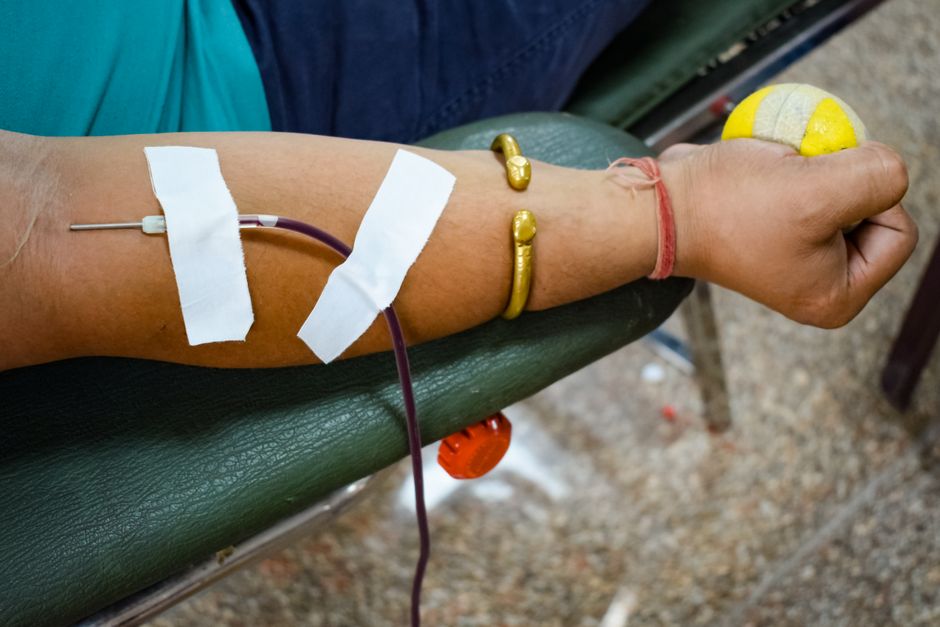
If you take oxycodone for pain management and you’ve been asked to donate blood, you’re probably wondering whether it’s safe to do either one. It’s a fair question, and one that doesn’t get discussed nearly enough. So, can you donate blood while taking oxycodone? The short answer is that it depends on the reason you’re taking it, the blood bank’s specific eligibility rules, and your overall health at the time of donation. In many cases, taking oxycodone alone doesn’t automatically disqualify you, but there are important nuances that can change that answer entirely.
In this guide, we’ll walk through how oxycodone affects your body, what blood donation centers actually look for during screening, why the underlying condition you’re treating matters more than the drug itself, and what steps you should take before rolling up your sleeve. By the end, you’ll have a clear picture of whether donating blood while on oxycodone is a good idea for you specifically, or whether it’s better to wait.
Understanding Oxycodone and How It Works
Oxycodone is a semi-synthetic opioid prescribed for moderate to severe pain. It works by binding to opioid receptors in the brain and spinal cord, blocking pain signals and producing feelings of relaxation or euphoria in some people. It’s sold under brand names like OxyContin and Roxicodone, and it’s also combined with acetaminophen in products like Percocet.
Because oxycodone is a controlled substance with real potential for dependence, doctors typically prescribe it for short-term use after surgery, injury, or dental procedures, or for chronic pain conditions that haven’t responded to other treatments. If you’re curious about how oxycodone compares to similar medications, our articles on oxycodone vs Percocet and oxycodone vs Vicodin break down the differences in strength and formulation.
How Oxycodone Affects Your Body and Blood
Oxycodone itself doesn’t damage red blood cells, alter your blood type, or introduce anything into your bloodstream that would make transfused blood dangerous for a recipient. It’s metabolized by the liver and cleared through the kidneys, and it doesn’t linger in donated blood in a way that would harm someone receiving a transfusion. However, opioids can cause side effects like low blood pressure, dizziness, drowsiness, and slowed breathing, all of which matter during the donation process itself.
Can You Donate Blood While Taking Oxycodone?
Most blood donation organizations, including the American Red Cross, don’t list oxycodone or other opioid pain medications as an automatic reason for deferral. The bigger concern is almost always the underlying medical condition that led to the prescription in the first place. For example, if you’re taking oxycodone after major surgery, you may need to wait until you’ve fully recovered before donating, not because of the medication, but because of the surgery, blood loss, or infection risk involved.
Screening staff at donation centers will ask about your current medications during the health history questionnaire. This is standard practice and isn’t meant to embarrass or judge you. It’s simply how they assess whether your blood is safe to give and whether donating is safe for you in your current state.
Why the Reason for Taking Oxycodone Matters More Than the Drug Itself
Here’s where things get specific. Someone taking oxycodone for a broken bone that’s healed is in a very different situation than someone taking it for chronic pain from an active autoimmune condition, cancer treatment, or a recent surgical procedure. Blood banks care about:
- Whether you have an active infection
- Whether you’ve had recent surgery or significant blood loss
- Whether you’re anemic or have low iron levels
- Whether your vital signs (blood pressure, pulse, hemoglobin) are within normal donation ranges
- Whether you feel well enough to tolerate the donation process
Oxycodone can indirectly affect several of these factors, which is why the medication alone rarely tells the whole story.
Situations Where Oxycodone Use Could Delay Blood Donation
While the drug itself isn’t typically disqualifying, certain scenarios tied to oxycodone use can result in a temporary deferral.
Recent Surgery or Injury
If you started taking oxycodone because of a recent surgery, most blood centers require a waiting period before you can donate, regardless of medication. This is due to blood loss during the procedure, infection risk, and the body’s need to rebuild red blood cell stores. If you’re recovering from an operation, our guide on having surgery while taking oxycodone covers what recovery typically looks like and how long pain medication is usually needed.
Low Blood Pressure or Dizziness
Oxycodone can cause orthostatic hypotension, a drop in blood pressure when you stand up too quickly. Combined with blood donation, which naturally lowers blood volume temporarily, this can increase the risk of feeling lightheaded, fainting, or feeling unwell during or after the donation. Screening staff will often check your blood pressure before allowing you to proceed.
Drowsiness and Impaired Judgment
Since oxycodone can cause sedation and slowed reaction times, donation staff may want to confirm you’re alert and able to answer health questions accurately before beginning the process. This isn’t about judging your character, it’s about making sure your consent and health disclosures are reliable.
Active Infection or Illness
If oxycodone was prescribed alongside antibiotics for an infection, or if you’re currently dealing with an illness that required opioid pain relief, you’ll likely be deferred until you’ve recovered, regardless of the pain medication itself.
What Blood Donation Centers Actually Ask About
Every donor completes a confidential health history questionnaire before donating. This typically includes questions about:
- Current prescription and over-the-counter medications
- Recent surgeries, hospitalizations, or dental work
- Recent tattoos or piercings
- Travel history
- Chronic health conditions
- Recent illnesses or infections
Be honest and thorough when answering these questions. Trying to hide oxycodone use isn’t just risky for you, it could compromise the safety of the blood supply for someone else. Donation staff are trained to handle these conversations professionally and without judgment, and disclosure is a routine part of the process, not a red flag.
Opioid Dependence and Blood Donation
There’s a difference between taking oxycodone as prescribed for legitimate pain management and struggling with opioid use disorder. If you’re currently in active addiction, using oxycodone outside of a prescription, or in the process of withdrawal, donation centers may defer you, both for your safety and because reliable health disclosures become harder during active substance use.
If you or someone you know is going through withdrawal and wondering what recovery looks like, our oxycodone withdrawal timeline guide walks through what to expect day by day. Recovery is a process, and it’s worth prioritizing your health and stability before considering blood donation.
What About Other Substances Combined With Oxycodone?
It’s fairly common for people on oxycodone to also be managing other lifestyle factors, and these can matter for donation eligibility too.
Alcohol Use
Mixing oxycodone with alcohol is dangerous on its own due to the combined sedative effect on the central nervous system, and it’s also relevant for blood donation since alcohol can affect hydration and blood pressure. If you want to understand the risks better, check out our article on oxycodone and alcohol risks.
Caffeine
Some people rely on coffee to counteract the drowsiness oxycodone causes. While caffeine itself isn’t a donation disqualifier, it’s worth knowing how it interacts with your medication. Our piece on drinking coffee while taking oxycodone explains what to watch for.
Other Medications
If you’re combining oxycodone with other drugs like ibuprofen, fluconazole, or additional prescriptions, it’s worth understanding those interactions independently, since some combinations can affect how you feel on donation day. Our guides on taking ibuprofen with oxycodone and fluconazole and oxycodone interactions go into more detail.
How to Prepare If You Plan to Donate Blood While on Oxycodone
If your doctor has cleared you and you feel well enough, here’s how to approach the process responsibly.
1. Talk to Your Prescribing Doctor First
Before donating, mention it to the doctor who prescribed your oxycodone. They know your medical history, why you’re taking the medication, and whether your body is in a stable enough condition to handle donation. This step matters more than any general guideline you’ll find online.
2. Be Fully Transparent With Donation Staff
List oxycodone and any other medications during the screening questionnaire. Staff are specifically trained to evaluate this information, and withholding it doesn’t protect you, it just increases risk.
3. Make Sure You’re Well Hydrated and Fed
Donation naturally lowers blood volume temporarily, and oxycodone can already affect blood pressure and hydration levels. Eating a balanced meal and drinking plenty of water beforehand reduces your risk of feeling faint or nauseated.
4. Avoid Donating If You Feel Drowsy or Unwell
If your current dose is making you feel foggy, dizzy, or fatigued, it’s best to reschedule your donation for a day when you’re feeling more like yourself.
5. Don’t Drive Yourself Immediately After
Between the effects of oxycodone and the temporary lightheadedness some people feel after donating, driving right afterward isn’t a great idea. If you’re already cautious about getting behind the wheel on this medication, our article on driving after taking oxycodone explains why that caution is well-founded, and the same logic applies after a donation appointment.
What Happens If You’re Deferred From Donating
Deferral isn’t punishment, and it’s not permanent in most cases. It simply means the timing isn’t right. Common deferral periods include:
- Waiting until a wound or surgical site has fully healed
- Waiting until an infection has cleared and antibiotics are finished
- Waiting until hemoglobin or iron levels return to normal range
- Waiting until blood pressure stabilizes within acceptable limits
Once the underlying issue resolves, you’re often welcome to try again. Donation centers keep records, so if you’re ever unsure why you were deferred previously, you can ask staff directly for clarification.
Why Honesty During Screening Protects Everyone
It’s worth repeating: the health history questionnaire exists to protect both you and the person who eventually receives your blood. Certain medications, health conditions, and recent medical events can affect blood quality or your ability to safely tolerate donation. Being upfront about oxycodone use, along with your reason for taking it, allows trained staff to make an informed decision rather than a guess.
According to the American Red Cross, most prescription medications don’t disqualify donors outright, but the underlying medical reason for taking them is what determines eligibility. This lines up with what we’ve covered throughout this article: it’s rarely about the pill itself, and almost always about the bigger picture of your health.
When It’s Better to Wait Before Donating
Even if you’re not technically disqualified, there are times when it simply makes sense to hold off:
- You’re less than a few weeks out from major surgery
- You’re currently experiencing significant pain that oxycodone is only partially controlling
- You feel fatigued, dizzy, or unsteady on your current dose
- You’re in the early stages of tapering off the medication
- You’re managing a condition that’s still actively being treated
Blood donation should never come at the cost of your own recovery or stability. There will almost always be another opportunity to donate once you’re feeling stronger.
Frequently Asked Questions
Does oxycodone disqualify you from donating blood?
Not automatically. Oxycodone itself isn’t on most blood banks’ list of disqualifying medications. However, the reason you’re taking it, such as recent surgery, an active infection, or an unhealed injury, may lead to a temporary deferral until you’ve recovered.
Can donated blood transfer oxycodone to the recipient?
Oxycodone is metabolized and cleared from the bloodstream over time, and blood banks screen donors specifically to catch situations where a medication could pose a risk to a recipient. As long as you disclose your medication use accurately during screening, staff can determine whether it’s safe to proceed.
How long after taking oxycodone can you donate blood?
There’s no universal waiting period tied specifically to the drug itself. What matters more is whether you feel well, your vital signs are stable, and any underlying condition requiring the medication has sufficiently resolved. Ask your doctor or the donation center directly for guidance based on your specific situation.
Can you donate blood if you’re recovering from surgery and taking oxycodone for pain?
Most centers require a waiting period after surgery regardless of medication, often several weeks, to allow for healing and to avoid complications from blood loss. Check with the specific donation center, since requirements vary depending on the type of surgery you had.
Should I tell the blood donation staff I’m taking oxycodone?
Yes, always. Full transparency during the health history questionnaire allows trained staff to properly assess your eligibility and ensures the safety of both you and the eventual blood recipient.
Final Thoughts
So, can you donate blood while taking oxycodone? In many cases, yes, as long as the underlying reason for taking it doesn’t itself disqualify you, and you’re feeling well enough to tolerate the process safely. The medication alone isn’t usually the deciding factor. What matters most is your overall health, the reason behind your prescription, and honest communication with both your doctor and the donation center staff.
If you’re ever uncertain, the safest move is simple: call ahead. Blood donation centers are used to answering questions like this, and a quick phone conversation can save you a wasted trip and give you clear, personalized guidance based on your specific health history.