
Description
Amoxicillin 500mg is one of the most familiar antibiotics in family medicine. It belongs to the penicillin family and works by stopping certain bacteria from building their cell walls, so they burst and die. Doctors reach for it in ear infections, strep throat, some sinus and chest infections, dental infections and early Lyme disease. Because so many people take it, it also raises the same handful of questions again and again. Is this rash an allergy? Will it stop my pill from working? Why did my doctor say no to antibiotics for my sore throat? This page answers those questions in plain language, so you know what to expect and when to pick up the phone.
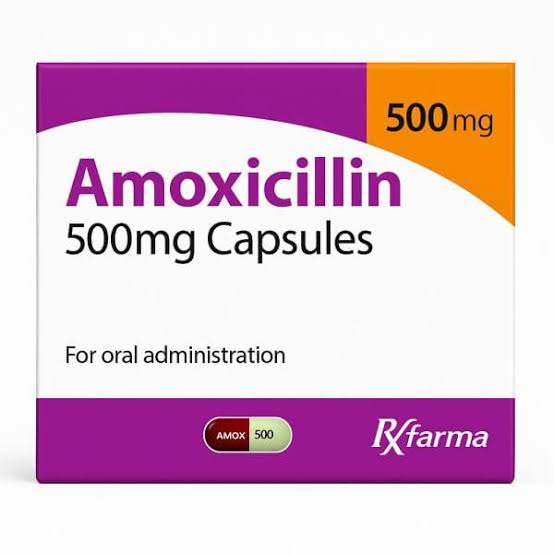
Each capsule contains 500 mg of amoxicillin (as the trihydrate). US generic capsules come in 250 mg and 500 mg strengths, and the drug also comes as tablets, chewable tablets and a liquid for children. You can read the full prescribing information for one US generic on DailyMed.
The infection map: where amoxicillin 500mg fits
It covers many common bacteria well, but not all of them. Some germs make an enzyme called beta-lactamase that breaks amoxicillin down. Others are simply outside its range. The table below shows where amoxicillin usually sits in the treatment plan. It reflects the US label plus CDC guidance, and it is a map, not a prescription.
| Infection | Typical role of amoxicillin | What your doctor weighs |
|---|---|---|
| Middle ear infection (otitis media) | First choice for most children who have not had amoxicillin in the past 30 days | Mild cases may be watched for a few days first; recent amoxicillin use may point to a different drug |
| Strep throat (group A strep) | First choice, alongside penicillin, usually for 10 days | Only after a positive strep test; most sore throats are viral |
| Bacterial sinusitis | First choice, alone or with clavulanate | Most sinus infections are viral; waiting and watching is often advised |
| Dental infection | Common choice when an antibiotic is needed alongside dental treatment | Draining the abscess or treating the tooth matters more than the pill |
| Chest infection / lower respiratory tract | Listed on the label for susceptible bacteria | Acute bronchitis in healthy adults does not need antibiotics; pneumonia needs a proper assessment |
| Urinary tract infection | Listed on the label, but not a first-line choice for simple bladder infections in the US | Local resistance in E. coli is high; other drugs are usually preferred |
| Skin and soft tissue | Listed on the label for susceptible strep and staph | Many staph strains resist amoxicillin; other agents are often chosen |
| H. pylori stomach ulcers | Part of a combination with an acid-reducing drug and usually a second antibiotic | Uses higher doses than standard infections; never used alone |
| Early Lyme disease (erythema migrans rash) | One of three first-line oral options, 500 mg three times a day for 14 days per CDC | Doxycycline is the other common choice; pregnancy and age shape the decision |
A few notes on that map. For children, the CDC pediatric outpatient guidance names amoxicillin as first-line for ear infections, strep throat and bacterial sinusitis. For early Lyme disease, the CDC erythema migrans page lists amoxicillin next to doxycycline and cefuroxime. If you have a tick-borne illness and your doctor prefers a different drug, the doxycycline 100 mg capsule page explains that option.
Dental pain is a special case. An antibiotic does not fix a decayed tooth. The dentist needs to drain the infection or treat the root. While you wait, our guide to over-the-counter tooth pain relief covers what is safe to use, and a short answer on Tylenol versus ibuprofen for a toothache may help you choose. Stronger prescription painkillers after dental work are covered in our page on managing severe dental pain.
Tonsils deserve a mention too. Bad breath and white specks in the tonsils are often tonsil stones, not infection. Our guide to tonsil stones and sore tonsils explains the difference.
Is it an allergy or just a rash? Decoding amoxicillin 500mg skin reactions
This is the question family doctors hear most about amoxicillin. A rash during a course of amoxicillin 500mg is common. A true allergy is much less common. Telling them apart matters, because a wrong “penicillin allergy” label can follow you for life and push doctors toward broader, costlier and sometimes less effective drugs. There are three main patterns.
Pattern 1: the true immediate (IgE) allergy
This is the reaction everyone fears, and it is the reason to take any new rash seriously. It usually starts within minutes to about an hour of a dose, though it can come later. The immune system has made IgE antibodies against the penicillin structure. Signs include:
- Raised, itchy welts (hives) that come and go and move around the body
- Swelling of the lips, tongue, eyelids or throat
- Wheezing, chest tightness, trouble breathing or swallowing
- Dizziness, fainting, a racing pulse, vomiting or a sense that something is badly wrong
Severe versions of this are anaphylaxis, which can be fatal. This is the reaction that truly earns a penicillin allergy label, until an allergist says otherwise.
Pattern 2: the delayed, flat “measles-like” rash
Doctors call this a maculopapular or morbilliform rash. It looks like flat or slightly raised pink-red spots that often join together. It tends to start several days into the course, sometimes after the last dose. It usually begins on the trunk and spreads outward. It may itch a little, but it does not come and go within hours the way hives do. In most children and adults, this kind of rash is not a dangerous allergy. Many people with this history can take amoxicillin again after an allergist review. Even so, do not decide this yourself. Call your prescriber, describe the rash or send a photo, and let them decide whether to stop the drug.
Pattern 3: the mononucleosis (EBV) rash
Glandular fever, or mono, is caused by the Epstein-Barr virus. It often looks like a bad strep throat: sore throat, fever, swollen neck glands and deep tiredness. If someone with mono is given amoxicillin, a widespread red rash is very likely. MedlinePlus explains that this rash is more likely after ampicillin or amoxicillin for a throat infection. The US label goes further and says amoxicillin should not be given to patients with mono. The rash is a reaction to the virus-drug combination. It usually does not mean a lasting penicillin allergy. It is also one of the best arguments for testing a sore throat before treating it.
Rare but serious skin reactions
Very rarely, amoxicillin can trigger severe skin reactions. These include Stevens-Johnson syndrome and toxic epidermal necrolysis (blistering and peeling skin, sore mouth and eyes), DRESS (rash with fever, swollen glands and organ involvement) and AGEP (many small pus-filled bumps on red skin, often with fever). The label lists all of these. Any rash with blisters, peeling, mouth sores, fever or feeling very unwell needs urgent care. A fever on its own during treatment is usually the infection. A new fever with a rash is different; our general guide on when a medicine may be behind a fever covers the idea of drug fever.
Penicillin allergy labels: most are wrong
Here is the reassuring part. According to the CDC’s penicillin allergy guidance for clinicians, about 1 in 10 US patients reports a penicillin allergy, yet fewer than 1 in 100 are truly allergic when tested. IgE sensitivity can also fade over the years. Clinicians use a short history, a validated risk tool, skin testing and a supervised oral “challenge” dose to clear the label. People with a history of a severe delayed reaction, such as SJS or DRESS, are not challenged and should see an allergy specialist.
If you carry a penicillin label from childhood, ask about “delabelling” at your next routine visit. Don’t wait until you are sick. Bring any notes about what happened: how old you were, what the rash looked like, how fast it started, and whether you needed emergency care. Our tips on talking openly with your prescriber can help.
Stop and get help, or call your prescriber?
Call 911 or go to the emergency department now if, after a dose of amoxicillin, you or your child has hives with swelling of the face, lips, tongue or throat; wheezing, noisy breathing or trouble swallowing; fainting or collapse; or blistering, peeling skin or sores in the mouth or eyes. If someone has an epinephrine auto-injector, use it as trained. For a suspected overdose or a child who swallowed capsules, call Poison Help at 1-800-222-1222.
Many other symptoms need a call, not an ambulance. Phone your prescriber or pharmacist the same day if you notice:
- A flat, spreading rash without swelling or breathing problems
- Itching without visible hives (general causes of medicine-related itch are covered in our guide to itching from medicines and when to worry)
- Diarrhea that is watery, bloody or frequent, or that starts weeks after the course ends
- No improvement after about three days, or getting worse at any point
- Vomiting that stops you keeping doses down
- Dark urine, yellow skin or eyes, or unusual bruising
The MedlinePlus amoxicillin page also lists a rare pattern seen mostly in children: repeated vomiting starting 1 to 4 hours after a dose, with pallor or extreme tiredness. That also needs prompt medical advice.
If you are tempted to treat a mild rash with an antihistamine, ask the pharmacist first. Our page on combining allergy medicines with other drugs explains why sedating antihistamines need care when you take other medicines.
Amoxicillin 500mg dosing: what the label says
Your prescription label is the only dosing instruction that applies to you. The points below summarize the US label so you can understand why your schedule looks the way it does. They are not a guide to choosing your own dose.
| Adults and patients over 40 kg | Mild to moderate | Severe |
|---|---|---|
| Ear, nose, throat, skin, urinary tract | 500 mg every 12 hours or 250 mg every 8 hours | 875 mg every 12 hours or 500 mg every 8 hours |
| Lower respiratory tract | 875 mg every 12 hours or 500 mg every 8 hours | 875 mg every 12 hours or 500 mg every 8 hours |
| H. pylori (combination only) | 1 g with other drugs, twice or three times daily for 14 days, depending on the regimen | |
So a 500 mg capsule three times a day is the “every 8 hours” pattern, and an 875 mg tablet twice a day is the “every 12 hours” pattern. Doses for children are worked out by weight. Specific infections, such as strep throat or Lyme disease, have their own guideline schedules and lengths. Space doses evenly across the day. Our guide on what to do about a missed dose covers general principles; for antibiotics, most leaflets say to take the missed dose when you remember unless the next one is nearly due, and never to double up.
You can take amoxicillin with or without food. Taking it with a meal may ease stomach upset. Our page on taking medicines before or after food explains why food timing changes some drugs and not others.
Kidney function changes the schedule
Amoxicillin leaves the body mainly through the kidneys. When kidney function is low, the drug builds up. The label says dose changes are usually only needed in severe impairment. People with a filtration rate (GFR) below 30 mL/min should not get the 875 mg dose. Below that level, the dose interval stretches to every 12 or 24 hours, and dialysis patients get extra doses around their sessions. Older adults often have lower kidney function without knowing it, which is one reason prescribers check blood tests. Our guides to medicines and kidney disease and medicine safety in older adults explain the general principles.
Large overdoses can cause crystals in the urine and, rarely, kidney injury. Drinking enough fluids during treatment is sensible for everyone.
The gut side of amoxicillin: diarrhea, bloating and probiotics
The most common side effects on the label are diarrhea, nausea, vomiting and rash. Antibiotics do not only kill the germ causing your infection. They also thin out the friendly bacteria in your gut. Loose stools, wind and mild cramps are common and usually settle after the course. If you feel bloated, our page on easing bloating has practical tips. If you already live with a sensitive gut, see our notes on irritable bowel symptoms and medicines.
When diarrhea is more than a nuisance
A small number of people develop Clostridioides difficile (C. diff) infection. It causes frequent watery or bloody diarrhea, cramps and fever. The label warns it can appear more than two months after the antibiotic ends. Do not take anti-diarrhea medicine for this without advice. Call your doctor, and mention the recent antibiotic.
Do probiotics help? A cautious answer
The evidence is real but limited. A 2019 Cochrane review in children found that probiotics cut antibiotic-associated diarrhea from about 19% to about 8%. The benefit was mainly seen at higher doses (5 billion or more colony-forming units a day). Lactobacillus rhamnosus and Saccharomyces boulardii looked most promising. The authors still called for larger trials. For adults, results are mixed. Probiotics are supplements, so products vary in strain and quality. They are usually safe for healthy people. People with weakened immune systems, central lines or serious illness should ask first. If you try one, many pharmacists suggest taking it a couple of hours apart from the antibiotic dose.
Temporary tooth staining and thrush (a yeast infection) can also follow a course; tell your pharmacist if either happens.
Interactions: what to tell your pharmacist
Amoxicillin has fewer interactions than many drugs, but a few matter. Our general guide to how drug interactions are checked explains why your pharmacist asks about everything you take, including supplements.
- Warfarin and other oral anticoagulants. The label reports raised INR and prolonged clotting times. Infection itself can do the same. Your anticoagulation clinic may want an extra INR check during and after the course.
- Methotrexate. Penicillins can reduce how fast the kidneys clear methotrexate, raising its levels. The NHS also lists both among medicines to check first. This matters most at the high methotrexate doses used in cancer care, but tell your prescriber even on weekly low doses.
- Allopurinol. Taking allopurinol with amoxicillin increases the chance of a rash. This is a known pattern, not necessarily an allergy, but it should still be reported.
- Probenecid. It slows amoxicillin’s removal and raises blood levels. Doctors sometimes use this on purpose.
- Other antibiotics. The label notes that tetracyclines, macrolides, sulfonamides and chloramphenicol may in theory blunt amoxicillin’s killing effect. The clinical importance is unclear.
The birth control question
This is one of the most searched questions about amoxicillin, and the sources do not all say the same thing. The US label says amoxicillin may reduce the effectiveness of combined estrogen-progestin pills. MedlinePlus advises using a backup method during treatment. The NHS common questions page takes a different view. It says amoxicillin does not stop the combined pill, the progestogen-only pill or emergency contraception from working. The real risk, it says, comes from vomiting or severe diarrhea, which can stop the pill being absorbed. Research reviews have found little evidence that common non-rifampin antibiotics, amoxicillin included, lower hormone levels enough to cause pregnancy. Rifampin and rifabutin are the clear exceptions.
The practical answer: keep taking your contraception exactly as usual. If you vomit or have severe diarrhea, follow your pill packet’s missed-pill advice. If you want extra reassurance, using condoms during the course and for a week after is a reasonable choice. Your pharmacist can advise on your specific method.
Alcohol
Alcohol does not block amoxicillin, and the NHS says moderate drinking is fine. But alcohol can worsen nausea, dehydrate you and slow recovery from infection. Our article on alcohol and medicine risks explains where the real dangers lie with other drugs.
Amoxicillin vs amoxicillin-clavulanate: a short comparison
Amoxicillin-clavulanate (brand Augmentin and generics) is amoxicillin plus clavulanic acid. The clavulanate blocks beta-lactamase, the enzyme some bacteria use to destroy amoxicillin. That widens the coverage. It is not a “stronger” amoxicillin in every situation.
| Feature | Amoxicillin | Amoxicillin-clavulanate |
|---|---|---|
| Coverage | Strep, many pneumococci, some H. influenzae and E. coli | Adds many beta-lactamase producers, plus anaerobes in bites and some dental or sinus infections |
| Common uses | Strep throat, first-time ear infection, early Lyme disease, H. pylori regimens | Animal and human bites, recent amoxicillin failure, some sinus and ear infections |
| Diarrhea | Common | Generally more common, linked to the clavulanate |
| Penicillin allergy | Avoid if truly allergic | Same; it is still a penicillin |
| Stewardship | Narrower; preferred when it will work | Broader; kept for when it is needed |
If you have a true penicillin allergy, neither is suitable. Your prescriber may choose a different class. Options include clindamycin (see our clindamycin 300 mg page), a macrolide such as azithromycin (see the azithromycin 250 mg page) or doxycycline, depending on the infection and local resistance.
Stewardship: why your doctor may say no to amoxicillin 500mg
Sometimes the most caring prescription is no antibiotic at all. The CDC’s antibiotic do’s and don’ts are clear. Antibiotics do not work on viruses, which cause colds, flu, most sore throats and most chest colds. Taking amoxicillin 500mg for a viral illness will not help you feel better. You still risk side effects, and you help resistant bacteria spread.
According to the CDC’s adult outpatient guidance, the vast majority of sinus infections are viral, and uncomplicated acute bronchitis should not be treated with antibiotics at all. For sore throats, the guidance is to test for strep first and to prescribe only if the test is positive.
What helps instead? Rest, fluids, pain and fever relief, and time. For a streaming nose, our guide to cold medicines for a runny nose compares the options. A lingering cough with chest soreness is covered in our article on easing chest pain from coughing, which also lists warning signs that need a doctor.
When you do need amoxicillin, good stewardship looks like this:
- Take it exactly as prescribed, for the number of days on the label, unless your prescriber tells you to stop.
- Don’t save leftover capsules for next time, and never share them.
- Store capsules at room temperature, away from moisture and out of children’s reach. Our general tips on storing medicines safely at home apply here.
- Return leftovers through a drug take-back program or follow the household disposal steps in our guide to disposing of unused medicines.
Frequently asked questions
What is amoxicillin 500mg used for?
It treats bacterial infections that amoxicillin covers. These include strep throat, ear infections, bacterial sinusitis, some chest, skin and urinary infections, dental infections alongside dental care, and early Lyme disease. It is also part of combination treatment for H. pylori stomach ulcers. It does not treat viral infections.
How many times a day do you take amoxicillin 500mg?
Most often every 8 hours (three times a day) or, for milder infections, every 12 hours. Your prescriber decides based on the infection, your weight and your kidney function. Follow the schedule on your pharmacy label.
What does an amoxicillin allergic reaction look like?
A true allergy usually shows as raised, itchy hives that move around, often with swelling of the face or throat, wheezing or dizziness. It tends to start soon after a dose. A flat, pink, spreading rash that appears several days in is more common and often not a true allergy. Either way, tell your prescriber. Hives with swelling or breathing trouble need 911.
How fast does amoxicillin work?
Many people feel better within two to three days. If you are not improving by about day three, or you get worse at any point, contact your prescriber. Keep taking the full course even when you feel well.
Does amoxicillin affect birth control?
The US label says it may reduce the effect of combined pills. The NHS and recent reviews say amoxicillin itself does not stop hormonal contraception working, but vomiting or severe diarrhea can. Keep taking your method as usual and ask your pharmacist about backup if you are unsure.
Can I drink alcohol while taking amoxicillin?
Alcohol does not stop amoxicillin working, and moderate drinking is not a known danger with this drug. It can worsen nausea and make recovery slower, so many people avoid it until they are well.
Is amoxicillin the same as penicillin?
It is a member of the penicillin family with a broader range. If you have a confirmed penicillin allergy, you should avoid amoxicillin too, unless an allergist says otherwise.
Is amoxicillin safe in pregnancy or while breastfeeding?
Amoxicillin is widely used in pregnancy and breastfeeding when an antibiotic is needed. The decision still belongs to your prescriber. Our general guides on thinking about medicines in pregnancy and medicines and breastfeeding explain how doctors weigh the risks.
Can amoxicillin treat a cold or a sore throat?
Not a cold, and not most sore throats, because these are usually caused by viruses. Amoxicillin helps when a test confirms strep throat or another bacterial infection.
Why did I get a rash when I had mono?
Amoxicillin given during Epstein-Barr virus infection very often causes a widespread red rash. This usually reflects the virus-drug combination rather than a lifelong penicillin allergy. Ask your doctor whether it should be recorded as an allergy at all.
Key takeaways
- Amoxicillin 500mg is a prescription penicillin antibiotic. Your prescriber picks the dose and length; never use leftovers or shared supplies.
- It is first-line for strep throat, many ear infections, bacterial sinusitis and early Lyme disease, and part of H. pylori combinations.
- Hives, swelling or breathing trouble mean 911. A flat, delayed rash means a same-day call to your prescriber.
- About 1 in 10 Americans reports a penicillin allergy, but fewer than 1 in 100 is truly allergic. Ask about delabelling when you are well.
- Label doses are 500 mg every 8 or 12 hours or 875 mg every 12 hours; severe kidney disease changes the schedule.
- Tell your pharmacist about warfarin, methotrexate, allopurinol and probenecid.
- Antibiotics do not treat colds, flu or most sore throats. Using them only when needed keeps them working for everyone.
Browse more plain-language articles in our health tips library.
This description is for information only and does not replace advice from your doctor or pharmacist. Use only as prescribed.
Prescription required. Amoxicillin 500mg is a prescription-only antibiotic. Your prescriber chooses the drug, the dose and how many days you take it, based on the infection you actually have. Please do not use leftover capsules from an old course or tablets shared by a friend or relative. A partial course of the wrong drug can hide symptoms, delay the right treatment and feed antibiotic resistance.
Reviews
There are no reviews yet.