
Can Oxycodone Lower Blood Pressure? What You Need to Know
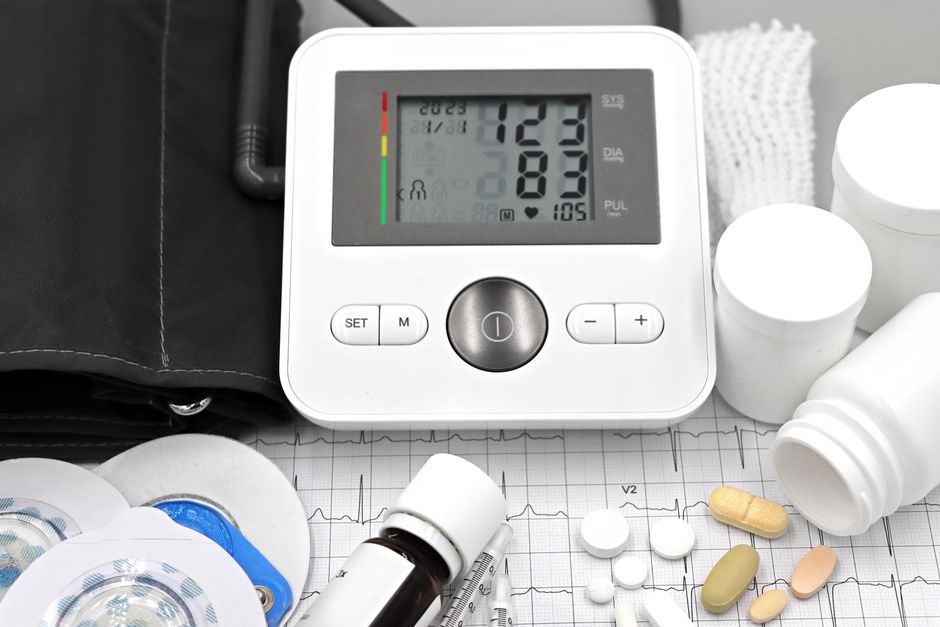
Oxycodone can lower blood pressure by relaxing blood vessels and calming the nervous system’s stress response, but the effect varies by person and can be managed with simple precautions.
Oxycodone can lower blood pressure by relaxing blood vessels and calming the nervous system’s stress response, but the effect varies by person and can be managed with simple precautions.
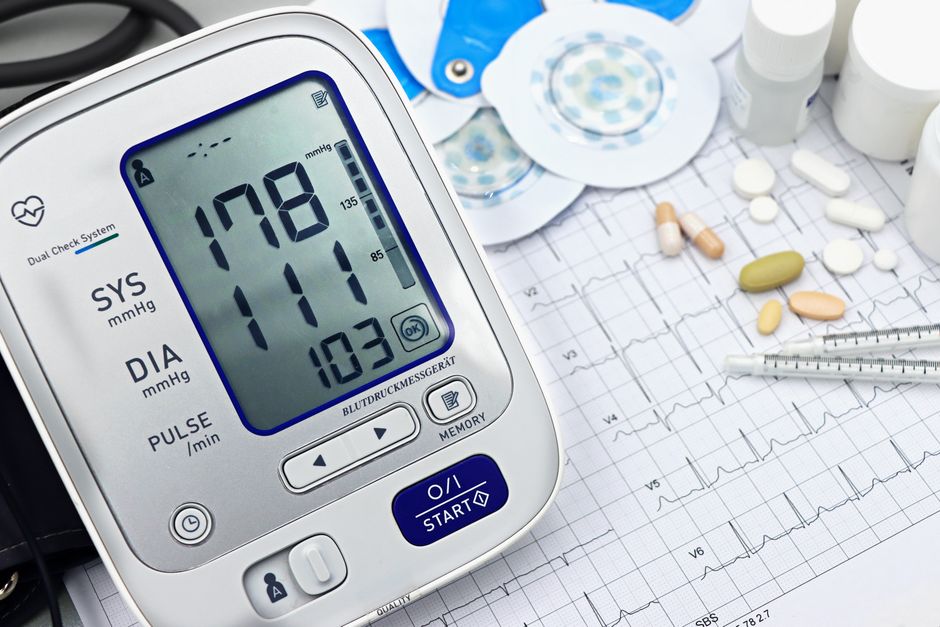
Oxycodone commonly causes a mild, temporary drop in heart rate due to its effect on the nervous system, but factors like dosage, health conditions, and drug interactions can shift this response toward dangerous highs or lows, making it essential to know what’s normal and when to seek help.

Oxycodone nausea is one of the most common opioid side effects. Learn why it happens, who is most at risk, and practical relief tips that actually work.

A comprehensive guide to using oxycodone for chronic pain, covering prescribing safeguards, dosage guidelines, side effects, long-term risks, and safe daily-life considerations for patients.

Oxycodone can significantly impair reaction time, coordination, and judgment, making driving risky even when a person feels alert; this guide explains the science, legal risks, and safety steps to take.

Taking oxycodone at night can ease pain and help you fall asleep, but it also carries real risks like slowed breathing and disrupted sleep cycles. Here’s what you need to know before dosing at bedtime.

Oxycodone can trigger anxiety through its effects on brain chemistry, dose rebound, and withdrawal, and this article explains why it happens, who’s most at risk, and how to manage it safely.