
Description
If you searched for mebendazole 200mg, you are most likely looking at a daily total, not a tablet strength. The usual mebendazole tablet is 100 mg, and the most common multi-day course on the US label is one 100 mg tablet in the morning and one in the evening, which adds up to 200 mg per day.
That is the short answer. The rest of this page works through the numbers slowly, the way you might with a pharmacist at the counter. We will add up tablets for each label regimen, compare mebendazole with albendazole (a close cousin that really is sold as a 200 mg tablet), look at when doctors use bigger or longer courses, and then cover children, side effects, myths and safe buying.
Where we looked for a mebendazole 200mg tablet
Before explaining the arithmetic, it helps to be clear about what is on the market. We checked the official US label database, the UK medicines compendium and Indian retail listings in October 2026.
- United States. DailyMed lists Emverm as a 100 mg chewable tablet, and Vermox Chewable as a 500 mg chewable tablet. No 200 mg human product appears in the search.
- United Kingdom. The electronic Medicines Compendium lists Vermox 100 mg tablets, Vermox 100 mg/5 mL oral suspension and the Ovex threadworm range. Again, no 200 mg tablet.
- India. The common single-ingredient brands we found (for example Eben and Mebex) are 100 mg tablets. Some combination products pair mebendazole with another drug, but that is a different medicine.
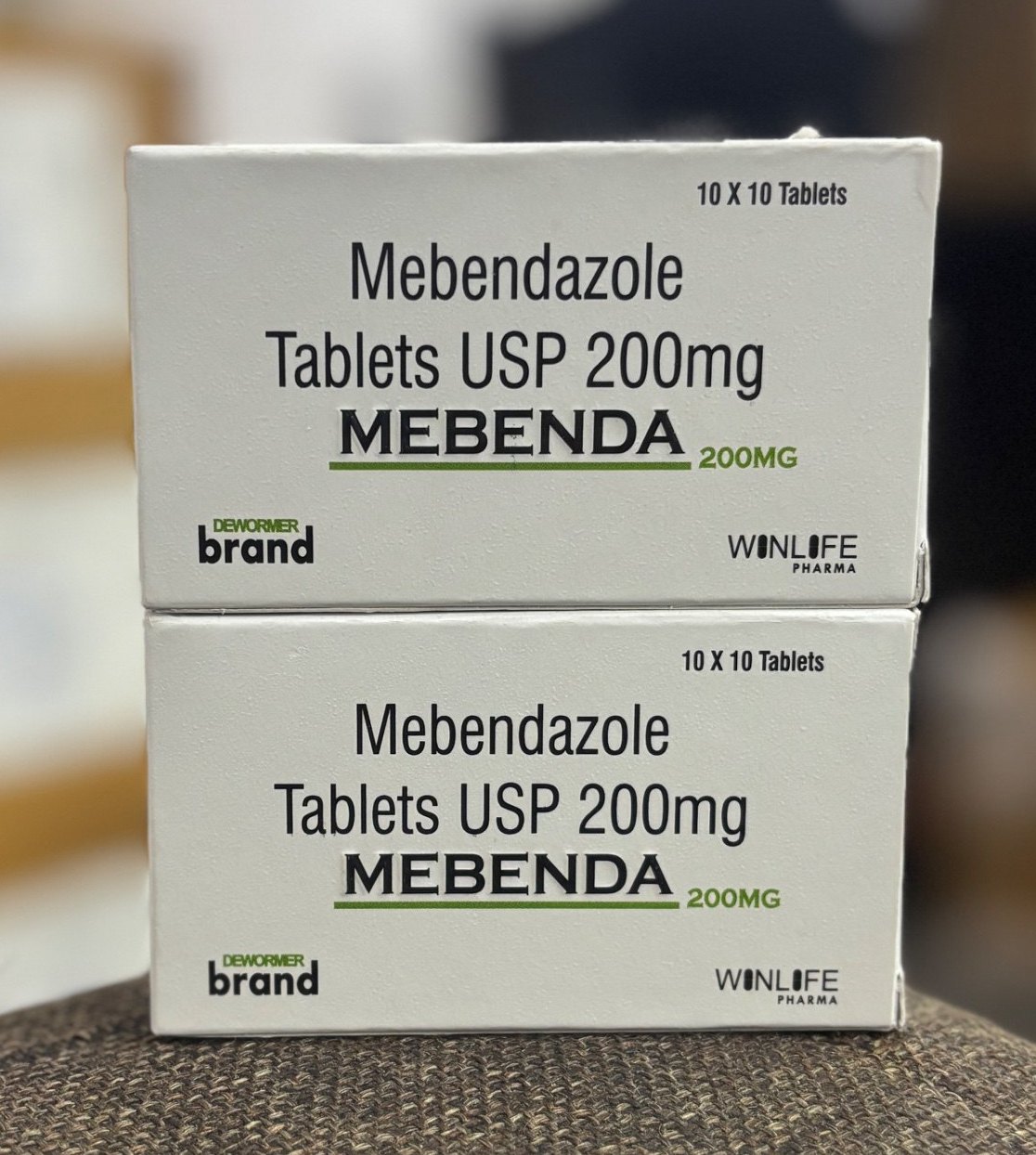
We cannot check every country’s register, so a local 200 mg product somewhere is possible. But in the markets most of our readers use, mebendazole 200mg is a dose you build from two 100 mg tablets, not a tablet you buy. If you see a “200 mg mebendazole tablet” for sale online, treat that as a reason to ask questions about the seller.
Per tablet, per day, per course: how mebendazole 200mg adds up
This is the heart of the page. A dose can be described three ways, and confusion happens when people mix them up. “Per tablet” is what is printed on the pack. “Per day” is how much you swallow in 24 hours. “Per course” is the total across the whole treatment.
The table below uses the US and UK labels. It shows what the label says. It is not a dosing instruction, and your prescriber may choose differently.
| Infection and label | Per tablet | Per day | Per course |
|---|---|---|---|
| Pinworm (threadworm), Emverm US label | 100 mg | 100 mg (one tablet, once) | 100 mg; a second course if not cured after 3 weeks |
| Threadworm, Vermox UK label | 100 mg | 100 mg (one tablet, once) | 100 mg; a second tablet after 2 weeks if reinfection is suspected |
| Whipworm, roundworm or hookworm, Emverm US label | 100 mg | 200 mg (one tablet morning, one evening) | 600 mg over 3 days |
| Roundworm or whipworm, Vermox Chewable US label | 500 mg | 500 mg (one tablet, once) | 500 mg |
Look at the third row. That is where “200 mg” lives. Two tablets of 100 mg, roughly 10 to 12 hours apart, give a daily total of 200 mg. Repeat that for three days and the course total is 600 mg.
A worked comparison
Imagine two people. Ana has whipworm and is prescribed the 3-day course. Ben has roundworm and is given the single 500 mg chewable tablet. Ana swallows six tablets in total and 600 mg of medicine. Ben swallows one tablet and 500 mg. Neither of them ever handles a 200 mg tablet. Ana’s “200 mg” is simply what she takes each day.
Now picture a third person who sees “200 mg per day” in a leaflet and decides to take both tablets together at breakfast. The daily total is the same, but the label spreads the doses through the day. Follow the timing your prescriber gives you rather than condensing it.
Why the 3-day course and the single dose both exist
Pinworms live in the large bowel and are very sensitive to mebendazole, so one dose usually works. Whipworm is harder to clear, and the US label reports lower cure rates for it than for roundworm or hookworm. A course spread across three days keeps the drug in the gut for longer. The 500 mg chewable tablet was developed to make single-dose treatment easier, including in school deworming programs.
If you need the strength itself, our page on mebendazole 100 mg chewable tablets covers the standard tablet, and the page on the single-dose mebendazole 500 mg tablet covers the larger chewable.
Is it albendazole you’re thinking of?
Many people who type “mebendazole 200mg” have a different medicine in mind. Albendazole belongs to the same drug family (the benzimidazoles). Unlike mebendazole, the US albendazole label describes a 200 mg tablet. A 400 mg chewable albendazole tablet is used widely outside the US, including in WHO-supported deworming programs. The names look alike, the boxes look alike and both treat worms, so the mix-up is easy.
| Feature | Mebendazole | Albendazole |
|---|---|---|
| Common tablet strengths | 100 mg chewable; 500 mg chewable (US); 100 mg/5 mL liquid (UK and other markets) | 200 mg tablet (US label); 400 mg tablet or chewable (many other markets) |
| Main labeled uses | Gut worms: pinworm, whipworm, roundworm, hookworm | US label: tissue infections such as neurocysticercosis (pork tapeworm larvae in the brain) and hydatid cysts |
| Typical gut-worm use | On label | Used for gut worms by many clinicians and programs; this is not an FDA-approved use in the US, per CDC |
| How it is taken | With or without food | With meals for tissue infections (fat raises absorption) |
| Monitoring on long courses | Blood counts and liver tests if doses are high or prolonged | Blood counts and liver tests at the start of each cycle and every 2 weeks, per label |
| US status | Prescription only | Prescription only |
The practical point is simple. If your box says albendazole 200 mg, you have a different drug with different rules. Albendazole is absorbed more into the body, especially with fatty food. That is why it is used for infections outside the gut and why its label asks for regular blood and liver checks. Our albendazole 400 mg page explains that medicine in more detail.
The CDC guidance on soil-transmitted worms lists both drugs side by side. It notes that the 3-day mebendazole course and the single 500 mg dose are both options for roundworm and hookworm.
When doctors go beyond the usual mebendazole 200mg day
Gut-worm courses are short and low-dose. A small number of infections need much more drug for much longer. These are specialist situations, and they are the reason the labels carry warnings about blood counts and the liver.
Trichinellosis
Trichinellosis comes from eating undercooked meat, often wild game or pork, that contains Trichinella larvae. The CDC clinical page on trichinellosis lists albendazole for 8 to 14 days, or a stepped mebendazole regimen at several hundred milligrams three times a day for about two weeks. Steroids are sometimes added in severe cases. CDC also notes that treatment works best early, before larvae settle in muscle. This is a diagnosis made by a doctor, usually with blood tests, not something to treat from a medicine cabinet.
Hydatid disease (cystic echinococcosis)
Hydatid cysts form when a dog tapeworm’s larval stage grows in the liver, lungs or other organs. The CDC echinococcosis treatment page names albendazole as the first-choice drug and mebendazole as the second. Treatment may also involve surgery, cyst drainage or simply watching a cyst over time. The UK Vermox summary notes that high doses for long periods have been used for echinococcosis, and that blood and kidney problems were reported in those patients.
What the labels ask for on long courses
- Blood counts. Rare cases of low white cells (neutropenia and agranulocytosis) have been reported at higher doses or longer courses than the gut-worm regimens. The US labels advise checking blood counts in that setting.
- Liver tests. Raised liver enzymes and hepatitis have been reported, mainly with long, high-dose use. If you already have liver problems, mention it. Our guide to how liver disease changes medicine safety explains why doctors adjust plans for people with a weaker liver.
- Kidney signs. Glomerulonephritis (kidney inflammation) appears among rare post-marketing reports.
None of this applies to a single 100 mg tablet or a 3-day course in a healthy person. It explains why “more for longer” is a hospital decision.
Children and chewing
Worms are most common in children, so the details of giving the tablet matter.
Age limits
The US Emverm label covers children aged 2 and older. The Vermox 500 mg chewable label starts at age 1. Both US labels mention that seizures have been reported in infants under 1 year. In the UK, the Vermox 100 mg tablet summary of product characteristics says the medicine is not recommended under 2. It allows use between 1 and 2 only when the benefit outweighs the risk. The NHS mebendazole page adds that children from 6 months to 2 years can be treated only on a doctor’s prescription.
The two tablets are taken differently
- 100 mg (Emverm, Vermox UK). It can be chewed, swallowed whole, or crushed and mixed into a little food. For young children in the UK, crushing and supervision are advised.
- 500 mg chewable (Vermox US). It should be chewed fully, not swallowed whole. For anyone who cannot chew it, the label describes placing it on a spoon with a small amount of drinking water. After about 2 minutes it softens into a soft mass that can be swallowed.
- Liquid. Where the 100 mg/5 mL suspension is available, it is an option for children who cannot manage tablets.
There is no need to fast or take a laxative. The label says no special diet is needed, so you can forget any advice about fasting before a dose.
Treat the household, then the house
For threadworm, the NHS advises treating everyone in the household aged 2 and over at the same time. People who are pregnant, breastfeeding or under 2 should ask a doctor first. Medicine kills the worms but not the eggs, so hygiene does half the work. Wash hands and scrub under nails, keep nails short, shower in the morning and wash bedding and towels. If you have dealt with head lice before, the routine will feel familiar. Our article on getting rid of lice at home covers similar laundry and comb-out habits.
What you might notice, and the metronidazole rule
At gut-worm doses, mebendazole stays mostly in the intestine, and most people feel nothing at all. Across the clinical trials described on the US label, reported effects included:
- tummy pain, wind and a bloated feeling (see our tips on easing bloating)
- diarrhea, especially with heavy infections as worms are passed
- nausea or vomiting (some people find gentle approaches to nausea helpful, but check with a pharmacist first)
- loss of appetite
- rash
Rare reports after marketing include dizziness, hives, swelling of the face or throat, hair thinning, liver changes and seizures. MedlinePlus advice on mebendazole lists fever, sore throat or chills as signs to report quickly, because they can point to low white cells. If you feel dizzy after a new medicine, sit down and tell your prescriber.
Do not combine with metronidazole. Both US labels and the UK summary say to avoid taking mebendazole with metronidazole (Flagyl), an antibiotic used for gut and vaginal infections. Severe skin reactions (Stevens-Johnson syndrome and toxic epidermal necrolysis) were linked to the pair in an outbreak investigation. If you are on metronidazole, tell the prescriber before starting mebendazole. Our guide to checking antibiotic combinations shows how to ask the right questions.
Get emergency help (call 911) for trouble breathing, face or throat swelling, a seizure, or a blistering, peeling rash. For a swallowed overdose, contact Poison Help at 1-800-222-1222.
The US label also mentions that cimetidine may raise mebendazole levels. A pharmacist can check your full list, including supplements. If you want to learn how such checks work, see our explainer on how drug interactions are screened and our note on mixing vitamins with prescription medicines.
Pregnancy and breastfeeding
Published studies have not shown a clear link between mebendazole and birth defects, but the data have limits. Untreated worms in pregnancy can also cause anemia and low birth weight. So the choice belongs to a doctor who knows your situation. The NHS suggests that hygiene alone may be tried first for threadworm, especially early in pregnancy. Small amounts pass into breast milk. For a general view of weighing medicines at these times, see our pages on medicines during pregnancy and breastfeeding while on a prescription.
Hookworm feeds on blood and can leave people iron-deficient. If you have been tired and pale, ask whether a blood test is needed. Our guide on raising iron levels explains food and supplement options to discuss with your doctor.
Myths worth clearing up
“Everyone should do a parasite cleanse”
Social media is full of “parasite cleanse” plans that pair mebendazole or herbal products with fasting, special diets or repeated courses. No US or UK label supports routine use in people without a diagnosed infection. Symptoms blamed on “hidden parasites”, such as bloating, tiredness or skin problems, have many other causes, including irritable bowel symptoms. A stool test or the “tape test” for pinworm can show whether worms are present. Taking courses you don’t need adds side-effect risk with no benefit.
“Mebendazole cures cancer”
This claim spreads fast, so here is what the evidence says. Lab and animal studies show that mebendazole can disrupt the internal scaffolding (microtubules) that dividing cells use. That led researchers to propose testing it in cancer. A 2014 review in ecancermedicalscience, from the Repurposing Drugs in Oncology project, gathered this lab work and two case reports. It concluded that clinical trials were warranted, not that the drug works in people. Since then, a few early-phase trials have studied it, mainly in brain tumors, using doses far above any worm treatment.
As of October 2026, mebendazole is not approved anywhere we checked for treating cancer, and no large randomized trial has shown that it helps people with cancer live longer. High doses also bring the blood and liver risks described above. If you have cancer and want to ask about a trial, talk to your oncologist. Please do not add a worm medicine on your own. The same caution applies to the veterinary cousin discussed in our page on fenbendazole and people.
“You can see if it worked by checking for worms”
Sometimes you will see worms pass, and sometimes not. Dead pinworms are tiny and often go unnoticed. The better sign is that symptoms such as night-time itching settle. The US label suggests a second course if the infection is still present 3 weeks later, and the UK label allows a repeat threadworm dose at 2 weeks. Ask your prescriber which applies to you.
Getting mebendazole safely
Mebendazole is inexpensive and widely made, which unfortunately makes it a target for low-quality and mislabeled products online. A few habits keep you safe.
- Start with a diagnosis. A clinician can confirm the worm and choose between mebendazole, albendazole or another option such as pyrantel for pinworm. If you are unsure how to raise it, our tips on talking openly with your doctor apply to any prescription.
- Use a licensed pharmacy. In the US, a legitimate pharmacy asks for a valid prescription, is licensed in your state and gives you access to a pharmacist. FDA’s BeSafeRx online pharmacy resources include a tool to look up state licenses. You can read our own answer to questions about whether our pharmacy is legitimate, and our explainer on buying medicines from the source.
- Check the label against what you expect. A real pack will state 100 mg or 500 mg per tablet (or 100 mg/5 mL for liquid). A pack sold as a mebendazole 200mg tablet should prompt questions. Learn to read the details in our guide to reading a prescription label.
- Store and dispose of it properly. Keep chewable tablets, which can look like sweets, away from children. Our guides on safe medicine storage and disposing of unused tablets apply here too. Vermox Chewable bottles carry a note to discard unused tablets one month after opening.
Frequently asked questions
Does a 200 mg mebendazole tablet exist?
Not in the US, UK or major Indian brands we checked. Mebendazole is sold as 100 mg tablets, a 500 mg chewable tablet in the US, and a 100 mg/5 mL liquid in some countries. “Mebendazole 200mg” usually describes the daily total of the 3-day course: one 100 mg tablet twice a day.
How much mebendazole does an adult usually take?
Adults and children over 2 follow the same label doses. For pinworm, that is one 100 mg tablet once. For whipworm, roundworm or hookworm, it is 100 mg morning and evening for 3 days, or a single 500 mg chewable for roundworm or whipworm. Your prescriber decides which applies.
Can I swallow both 100 mg tablets at once to make 200 mg?
A day of mebendazole 200mg on the 3-day course is split, not stacked. The label spaces them as a morning and an evening dose. Follow that timing unless your prescriber tells you otherwise. Never add extra tablets to “boost” the course.
Is mebendazole the same as albendazole?
No. They are related drugs, but albendazole is absorbed more into the body, is taken with food for tissue infections and comes as 200 mg or 400 mg tablets. Its uses, monitoring and pregnancy precautions differ.
How quickly does mebendazole work?
It starts acting on worms in the gut soon after the dose, and itching often eases within days. Eggs survive, so hygiene matters. If symptoms persist, a repeat course may be advised after 2 weeks (UK) or 3 weeks (US label).
Do I need a prescription?
In the US, yes. In the UK, pharmacies can sell 100 mg threadworm treatment for people aged 2 and over. Other worms, and children under 2, need a prescription.
Is mebendazole a treatment for cancer?
No. It is being studied in early trials, mainly for brain tumors, but it is not approved for cancer and has not been shown to help people with cancer live longer. Ask an oncologist about clinical trials rather than self-treating.
Should the whole family take it?
For threadworm, the NHS advises treating everyone aged 2 and over in the home at the same time. People who are pregnant, breastfeeding or under 2 should speak to a doctor first. For other worms, only the diagnosed person is usually treated.
Key takeaways
- Mebendazole 200mg is almost always a daily total. Two 100 mg tablets a day for 3 days make 600 mg per course.
- The marketed strengths are 100 mg, 500 mg chewable (US) and 100 mg/5 mL liquid (some countries).
- Albendazole is the drug that comes as a 200 mg tablet in the US. It is a different medicine with different monitoring.
- Bigger and longer courses, for trichinellosis or hydatid cysts, are specialist care with blood and liver checks.
- Avoid metronidazole with mebendazole. Seek urgent help for rash with blisters, swelling or seizures.
- Parasite cleanses and cancer claims are not supported by approvals or large trials.
- Buy only from a licensed pharmacy with a valid prescription where one is required.
This description is for information only and does not replace advice from your doctor or pharmacist. Use only as prescribed.
A prescription medicine first. In the US, mebendazole needs a prescription. In the UK, some 100 mg threadworm packs are sold by pharmacies, but other worm infections and young children need a prescriber. The prescriber chooses the medicine, the dose and how long you take it, based on the worm you actually have. Please do not use leftover tablets from an earlier course, and do not share tablets with friends or relatives.
Reviews
There are no reviews yet.