
Does Oxycodone Increase Blood Pressure? What the Research Really Shows
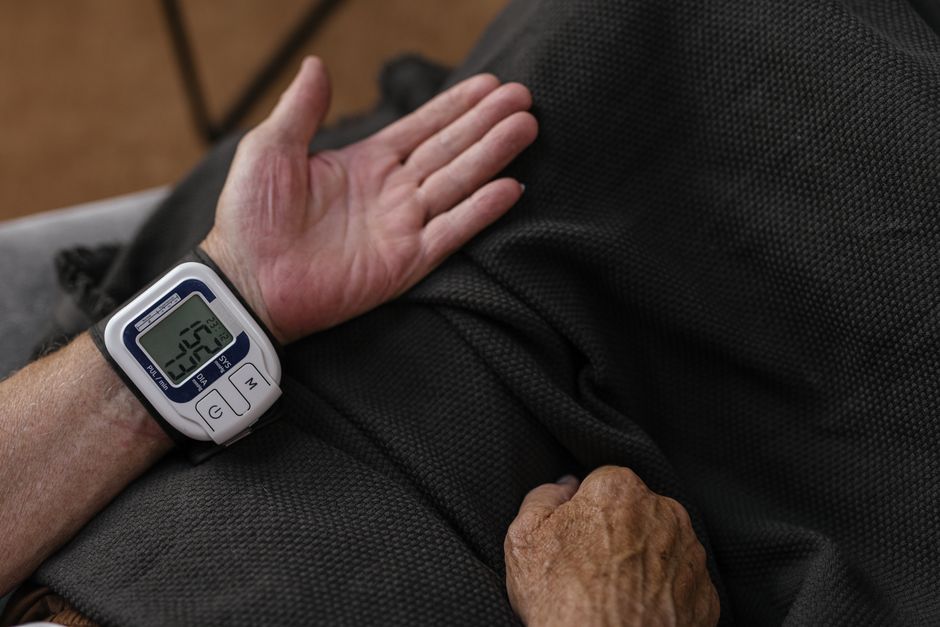
Oxycodone typically causes a mild decrease in blood pressure, but withdrawal, untreated pain, drug interactions, and individual physiology can sometimes cause it to rise instead.
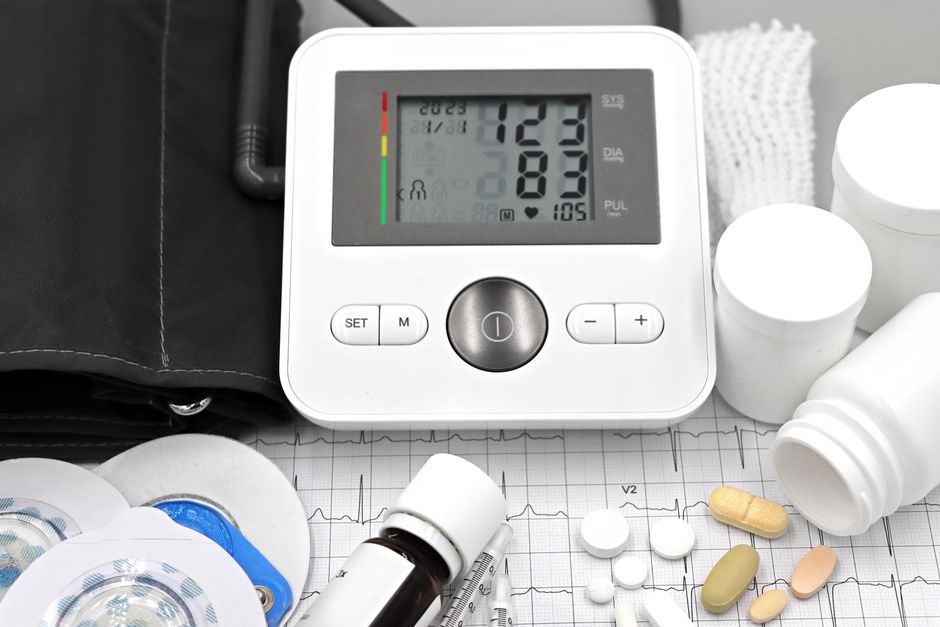
Oxycodone can lower blood pressure by relaxing blood vessels and calming the nervous system’s stress response, but the effect varies by person and can be managed with simple precautions.
Missing an oxycodone dose is common and rarely a crisis, but the right response depends on whether you take immediate-release or extended-release oxycodone, and doubling up to catch up is never safe.
Oxycodone can significantly impair reaction time, coordination, and judgment, making driving risky even when a person feels alert; this guide explains the science, legal risks, and safety steps to take.
Flying with oxycodone is legal in most cases, but TSA screening, international drug laws, and altitude-related side effects all require preparation before you travel.
Swimming while taking oxycodone carries serious drowning risks due to drowsiness, dizziness, and impaired reflexes. Learn what precautions to take before entering the water.
Most healthy adults can safely drink coffee while taking oxycodone in moderation, though the combination can amplify side effects like jitteriness, dehydration, and heart rate changes, so understanding the risks and following safe habits matters.
Most standard vitamins are safe with oxycodone, but certain supplements like St. John’s Wort, valerian root, and high-dose vitamin E can interact with its metabolism or amplify side effects, making it important to check with a doctor or pharmacist first.
Fasting while taking oxycodone is possible for some patients, but it requires careful planning around dosing schedules, hydration, and formulation type to avoid withdrawal symptoms and other risks.
A practical guide to safely managing oxycodone use during Ramadan fasting, covering dosing schedules, hydration, constipation, sleep, and when religious exemptions may apply.