
Description
Azithromycin 250mg is one of the most familiar antibiotic tablets in the US, best known in its six-tablet “Z-Pak” style course. If you have just been handed a small blister card and a short set of instructions, this page walks beside you through the course, one day at a time. Everything here follows the current US prescribing label and trusted public health sources. It is a companion to your prescriber’s advice, not a replacement for it.
The six-tablet pack: how an azithromycin 250mg course is usually laid out
Azithromycin belongs to the macrolide family of antibiotics. It stops susceptible bacteria from building the proteins they need to grow. It does nothing against viruses.
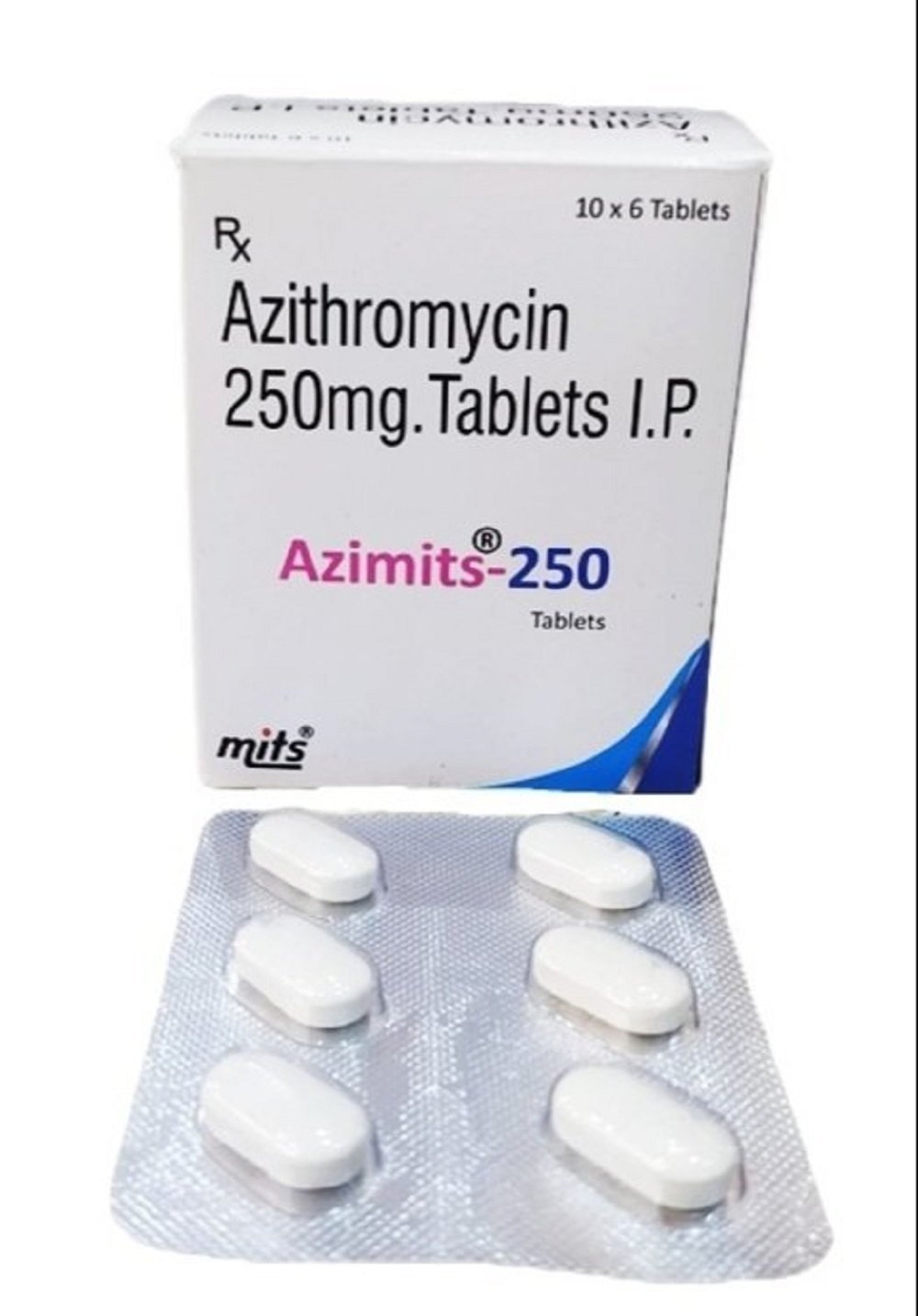
According to the Zithromax prescribing information on DailyMed, the 250 mg tablets are supplied in bottles and in boxes of blister cards holding six tablets each. That six-tablet card matches one of the label’s classic adult regimens:
- Day 1: 500 mg once (that is, two 250 mg tablets taken together).
- Days 2 to 5: 250 mg once a day (one tablet each day).
Two plus four makes six tablets, a total of 1.5 grams over five days. The label lists this pattern for some adults with mild community-acquired pneumonia, certain skin infections, flare-ups of chronic bronchitis, and strep throat in people who cannot take the first-choice antibiotics. It is not the only way azithromycin is prescribed, though. The same label also describes three-day courses at 500 mg a day and single larger doses for some sexually transmitted infections. Your own card or bottle label is the instruction that counts.
Why the double dose on day one? Azithromycin moves out of the blood and into body tissues, where it lingers. A larger first dose, often called a loading dose, helps build up tissue levels quickly. The smaller daily tablets then keep those levels topped up.
If you are comparing strengths, the azithromycin 500 mg tablet page explains the shorter three-day regimens and how they differ. For background on reading the small print on any pharmacy label, our guide to understanding prescription labels covers directions, fill dates and warning stickers in plain English.
Your azithromycin 250mg course diary, day by day
Think of this as a rough map, not a promise. Common side effects, when they happen, are usually mild and stomach-related. The label’s adult trials of multi-day courses reported loose stools or diarrhea in roughly 4 to 5 in 100 people and nausea in about 3 in 100.
| Day | Tablets (classic 6-tablet pack) | What you may notice | Tips |
|---|---|---|---|
| Day 1 | 2 tablets (500 mg) together | Probably no change in symptoms yet. A few people feel queasy or get a mild headache. | Pick a time you can repeat each day. Take with water. If your stomach is sensitive, a light snack may help (see the food section). |
| Day 2 | 1 tablet (250 mg) | Fever or aches may start to ease for some people. Loose stools can appear. | Drink plenty of fluids. Keep meals simple and avoid very rich or spicy food. |
| Day 3 | 1 tablet (250 mg) | Many people notice they are on the mend by now. A cough may linger much longer than other symptoms. | If you feel no better at all, or worse, call your prescriber rather than waiting out the pack. |
| Day 4 | 1 tablet (250 mg) | Energy often returns slowly. Mild stomach upset may continue. | Space any aluminum or magnesium antacids away from your tablet. Keep resting. |
| Day 5 | 1 tablet (250 mg), the last one | You may feel close to normal, or still a little run down. | Take the final tablet even if you feel well. Check the card is empty. |
Days 6 to 10: still working after the pack is empty
This is the part that surprises many people. You swallow your last tablet on day five, yet the medicine has not simply vanished. Azithromycin builds up in tissues and leaves them slowly, so it keeps acting for several days after the final dose. The prescribing information even notes that, in children’s sinus infection studies, visits on days 11 to 14 were still counted as “on therapy” because of the drug’s long half-life.
So what should you expect in this window? Ongoing gradual improvement is normal. A dry cough or tiredness may linger. What is not expected is getting clearly worse, a new high fever, or symptoms that return after easing. Those are reasons to contact your prescriber, which we cover below.
“It’s still in your system”: myth versus fact
The long tail of azithromycin creates a few common misunderstandings. Here are the main ones.
Myth: Five days of tablets means five days of treatment.
Fact: The US label gives azithromycin a terminal half-life of about 68 hours, which it links to the drug being released slowly from tissues. In practice, that means meaningful drug levels persist for days after the last tablet. A five-day pack can give a longer effective treatment window than its length suggests.
Myth: Because it lasts so long, you can stop after day three if you feel fine.
Fact: The course length was chosen with that slow release already built in. Stopping early can leave some bacteria behind. MedlinePlus advice on azithromycin is clear that you should finish the prescription even when you feel better, because stopping early can mean the infection is not fully treated and resistance becomes more likely.
Myth: If it is still in my body, side effects should stop the moment I take the last tablet.
Fact: Mild stomach effects usually settle soon after the course ends, but some reactions can appear later. Severe diarrhea linked to C. difficile, for example, can show up as long as two months after an antibiotic course, according to the label.
Myth: A long half-life means more is better.
Fact: Never add extra tablets. More drug does not clear infection faster. For background, see our explainer on how half-life determines how long a medicine stays active.
With or without food? Tablets versus the liquid
Here the advice depends on where you live and which product you have, so it is worth slowing down.
- US label (tablets and suspension): The current Zithromax prescribing information says both the tablets and the oral suspension can be taken with or without food. MedlinePlus says the same for tablets.
- UK guidance (tablets and capsules): The NHS page on how and when to take azithromycin says to take tablets and capsules at least 1 hour before a meal or 2 hours after one. It says the liquid can be taken with or without food.
Why the difference? Labels are written for specific products and regulators, and leaflets differ. The simple rule: follow the leaflet that came in your box and the directions on your pharmacy label. If they do not match what you have read online, ask your pharmacist which applies to your product.
For people in the US taking tablets, having a light meal or snack alongside your dose is a reasonable way to ease queasiness, as long as your own label allows it. The general principle of matching food timing to a specific drug’s label is explained in our guide on whether to take a medicine before or after food.
Antacids and supplements
Antacids that contain aluminum or magnesium hydroxide can lower peak azithromycin levels if taken at the same time. The US label says overall exposure stays about the same, but advice sources still recommend leaving a gap. The NHS suggests taking azithromycin at least 1 hour before or 2 hours after an antacid. If you take heartburn remedies regularly, our page on managing acid reflux alongside other medicines offers practical ideas. Magnesium supplements are worth mentioning to your pharmacist too; see our guide to spacing vitamins and supplements around prescription medicines.
Stomach upset on azithromycin 250mg, and how to manage it
Stomach symptoms are the side effects people mention most. The good news is that, on a standard five-day course, most are mild. Here is a practical toolkit, drawn from the NHS side-effects guidance for azithromycin and MedlinePlus.
Nausea
- Eat simple, plain meals. Skip rich, fatty or very spicy food for a few days.
- Sip water or clear drinks regularly instead of gulping large amounts.
- If your label allows, take the tablet with a small snack.
- Our page on gentle home approaches to nausea lists ginger, fresh air and small meals; check with a pharmacist before adding any remedy to an antibiotic course.
Diarrhea and loose stools
- Drink plenty of fluids. Dark, strong-smelling urine can be a sign you need more.
- Do not start anti-diarrhea medicine without asking a pharmacist or doctor first. Slowing the bowel can be harmful if the cause is an infection such as C. difficile.
- Practical hydration and diet tips are collected in our guide to getting relief from diarrhea and staying hydrated.
- If you use the pill for contraception, the NHS notes that severe diarrhea, or diarrhea lasting more than 24 hours, may stop it working well. Check your pill packet for what to do.
Tummy pain, gas and bloating
- Mild cramping or bloating is common because antibiotics disturb gut bacteria.
- Smaller meals, gentle walking and avoiding fizzy drinks may help. Our tips on easing a bloated stomach are a good starting point.
- Severe stomach pain, especially if it spreads to your back, needs prompt medical attention.
Vomiting soon after a dose
MedlinePlus advises calling your doctor if you vomit within an hour of taking azithromycin. Do not take a replacement tablet unless they tell you to.
Headache, dizziness and taste changes
These are listed as common but usually mild. Rest and fluids help a headache. If you feel dizzy, do not drive, cycle or use machinery until it passes; our guide to coping with medicine-related dizziness has safety tips that apply broadly.
When you should feel better, and when to recontact your prescriber
For most infections, the NHS says people usually start feeling better within a few days. It advises telling your doctor if you have not improved after 3 days, or if you feel worse at any point. That lines up nicely with the diary: day three is your checkpoint.
Contact your prescriber or pharmacist if:
- You have not improved at all by day three.
- Your fever climbs, or a new fever appears after the course.
- Symptoms ease and then come back after you finish.
- Breathing becomes harder, or you develop chest pain with your cough. Our page on chest pain from coughing explains which symptoms are urgent.
- Side effects are severe or do not settle.
- You realize you missed tablets and are unsure how to finish the pack.
On missed doses, MedlinePlus says to take the missed tablet as soon as you remember, unless it is almost time for the next one, and never to take a double dose. Our article on what to do when you miss a dose of a medicine explains why doubling up is risky.
Not sure how to raise a concern? See our tips on talking openly with your doctor about a prescription.
Children and azithromycin: the liquid, weight-based picture
Tablets of azithromycin 250mg are mainly an adult and older-child product. Younger children usually receive the oral suspension, and their dose is worked out from body weight, not age alone. The US label describes several weight-based regimens, such as courses for ear infections, sinus infections, pneumonia and strep throat, each set in milligrams per kilogram. Some are single doses, some run three days, and some five.
So parents should never try to cut down an adult pack. A few practical points:
- Your child’s prescriber calculates the dose and the pharmacy labels the bottle with a volume to measure.
- Use the oral syringe or dosing spoon supplied, never a kitchen teaspoon.
- Shake the suspension well before each dose, and throw away any liquid left once the course is done.
- The suspension can taste bitter. The NHS suggests a drink of fruit juice afterward can help.
- The label warns of a stomach outlet problem called infantile hypertrophic pyloric stenosis in newborns (up to 42 days old) given azithromycin. Projectile vomiting or irritability with feeding in a young baby needs urgent medical review.
If your child has been prescribed antibiotics for an ear or throat infection, the stewardship section below explains why azithromycin is often not the first choice. Many children receive amoxicillin instead; see our amoxicillin 500 mg product page for the adult tablet version of that medicine.
Get emergency help now (call 911) for chest pain, fainting, a racing or irregular heartbeat, swelling of the lips, tongue or throat, trouble breathing, or a blistering or peeling rash. If someone has swallowed too many tablets, or a child has taken medicine by accident, call Poison Help at 1-800-222-1222, available 24/7 in the US.
Rare but serious: the four warnings worth knowing
Serious reactions to azithromycin are uncommon. Still, knowing the signs means you can act quickly. The label lists these among its warnings.
1. Heart rhythm (QT prolongation)
Azithromycin can lengthen the QT interval on a heart tracing, which in rare cases leads to a dangerous rhythm called torsades de pointes. The FDA’s 2013 drug safety communication on azithromycin and heart rhythm highlighted people at higher risk: those with a known long QT interval or a history of torsades, slow heart rates, uncompensated heart failure, low potassium or magnesium, people taking certain antiarrhythmic drugs or other QT-prolonging medicines, and older adults with heart disease. Tell your prescriber about any heart history or family history of sudden death. Our page on how medicines can affect heart rate gives broader background. Older readers may also find our guide for older adults managing prescriptions useful.
2. Liver injury
Liver problems are rare but can be serious. Stop and get medical advice if you notice yellow skin or eyes, dark urine, pale stools, pain under the right ribs, unusual bruising or loss of appetite. If you already have liver disease, your prescriber needs to know; our overview of how liver disease changes medicine safety explains why.
3. Severe skin and allergic reactions
The label lists rare but severe reactions such as anaphylaxis, Stevens-Johnson syndrome, toxic epidermal necrolysis and DRESS (a drug reaction with fever, rash and organ involvement). Signs include hives, swelling of the face or throat, a widespread rash with blisters or peeling, and rash with fever and swollen glands.
4. C. difficile diarrhea
Antibiotics can let a germ called Clostridioides difficile take over in the gut. The CDC’s overview of C. diff says most cases happen during or soon after antibiotic use. Watch for frequent watery diarrhea, especially with fever, stomach cramps or blood or mucus in the stool. It can appear weeks after you finish. Call your prescriber promptly.
The label also mentions possible worsening of myasthenia gravis. If you have this condition, make sure your prescriber knows.
Interactions in brief
Azithromycin has fewer interactions than some related antibiotics, but give your pharmacist a full list of what you take.
- Other medicines that prolong QT: including some antiarrhythmics, certain antipsychotics and antidepressants, and some other antibiotics. This is the most important group.
- Warfarin: the label notes azithromycin may increase its blood-thinning effect, so your INR may need checking.
- Aluminum or magnesium antacids: leave a gap, as described above.
- Nelfinavir (an HIV medicine): raises azithromycin levels; the label advises monitoring.
- Pain relievers: if you are also on a prescription pain medicine after surgery or dental work, see our page on combining antibiotics with pain medicine. For simpler options, our guide to over-the-counter tooth pain relief may help.
- Alcohol: the NHS says moderate drinking is fine with azithromycin, but avoid it if you feel dizzy or sick. Our article on alcohol and medicine risks has more context.
Azithromycin is a close cousin of clarithromycin, which has more interactions. If you are comparing the two, see the clarithromycin 250 mg product page. A broader checklist of how interactions are screened is in our guide to common drug interactions and how to check them.
Pregnant or breastfeeding? Tell your prescriber. Azithromycin is sometimes chosen in pregnancy, but the decision is individual.
Stewardship: when azithromycin is not the answer
Azithromycin is easy to take, so it is often requested for illnesses it cannot help. The CDC’s antibiotic do’s and don’ts explain that antibiotics do not work on viruses, including colds, runny noses, flu, most sore throats and most chest colds. Taking them anyway will not speed recovery and adds to resistance.
Colds, flu and runny noses
These are viral. Rest, fluids and symptom relief are the tools that help. Our roundup of cold medicines for a runny nose covers the options. Green or yellow mucus on its own does not mean you need an antibiotic.
Sore throats
Most sore throats are viral. Strep throat is the main exception, and it is confirmed with a test. Even for strep, the US label positions azithromycin as an alternative for people who cannot use first-line treatment, and CDC outpatient guidance for children names amoxicillin and penicillin as first-line. If you get repeated throat irritation from small white lumps, our article on tonsil stones may explain it.
Ear infections in children
The CDC’s “Know When Antibiotics Work” fact sheet notes that many mild ear infections clear without antibiotics, and that a clinician may suggest watchful waiting or a delayed prescription. When an antibiotic is needed, amoxicillin is usually first-line for children who have not had it recently.
Your part in stewardship
- Take the course exactly as prescribed, every day, until the pack is done.
- Do not save leftovers “just in case” or share them. The CDC warns that the wrong antibiotic can delay the right treatment.
- Ask your clinician: “Is this bacterial? Do I need an antibiotic?” It is a fair question.
- Dispose of unused medicine properly. Our guide on safe disposal of unused medicines explains take-back options.
Keeping track: your pill-pack checklist
A five-day course is short, but life gets busy. These simple habits help you finish every tablet of your azithromycin 250mg pack on time.
- Before day 1: Read the label and leaflet. Check the number of tablets matches the directions. Ask your pharmacist about food and any other medicines.
- Set one daily time: Link it to a routine and set a phone alarm.
- Use the blister card as your tracker: Many cards are labeled by day. If yours is not, write the day on the foil with a pen.
- Day 3 check-in: Are you better, the same or worse? If not improving, call your prescriber.
- Day 5: Take the last tablet. Confirm the card is empty.
- Days 6 to 10: Keep watching for late diarrhea, rash or any return of symptoms.
- Storage: Keep tablets at room temperature, away from moisture and out of children’s reach. Not in the bathroom. Our guide to storing medicines safely at home has more ideas.
Buying online? Always use a pharmacy that asks for a valid prescription. Our page explaining how to check that an online pharmacy is legitimate covers the signs to look for.
Frequently asked questions about azithromycin 250mg
How long does it take azithromycin 250mg to work?
Many people start to feel better within two to three days. The NHS advises contacting your doctor if you have not improved after 3 days or if you feel worse.
Why do you take two tablets on the first day?
In the classic five-day pack, day one is a 500 mg loading dose (two 250 mg tablets). It helps build up drug levels in your tissues quickly. Days two to five then use one tablet daily. Follow your own prescription if it differs.
Does azithromycin keep working after the last pill?
Yes, for a while. The US label gives a terminal half-life of about 68 hours because the drug is released slowly from tissues. That is one reason a short course can still be effective. It is not a reason to stop early.
Should azithromycin be taken with food?
The current US label says tablets and suspension can be taken with or without food. UK NHS advice for tablets and capsules is to take them 1 hour before or 2 hours after a meal. Follow the leaflet in your box and ask your pharmacist if unsure.
What should I avoid while taking azithromycin?
Avoid taking aluminum or magnesium antacids at the same time as your tablet. Check with your pharmacist before combining it with other medicines that affect heart rhythm, or with warfarin. Avoid driving if it makes you dizzy.
Can azithromycin treat a cold or sore throat?
Not a cold, flu or most sore throats, because those are caused by viruses. Strep throat is bacterial and needs testing, and first-line treatment is usually penicillin or amoxicillin. Azithromycin is an alternative when those cannot be used.
Can I drink alcohol with azithromycin?
The NHS says drinking in moderation is generally fine. If azithromycin makes you feel dizzy or sick, avoid alcohol, as it can make those effects worse.
What if I miss a dose of azithromycin?
Take it as soon as you remember, unless your next dose is nearly due. In that case skip the missed one. Never take two doses at once.
Is azithromycin 250mg the same as a Z-Pak?
“Z-Pak” is the brand name for Pfizer’s six-tablet blister card of azithromycin 250 mg. Generic six-tablet cards follow the same pattern. The medicine inside is the same active ingredient.
Key takeaways
- Azithromycin 250mg is a prescription antibiotic; your prescriber sets the dose and length.
- The classic six-tablet pack is two tablets on day 1, then one daily on days 2 to 5.
- The drug stays active in tissues for days after the last tablet, but you still finish the pack.
- Stomach upset is the most common side effect; simple meals and fluids help.
- Check in at day 3. Call your prescriber if you are not better or feel worse.
- Rare but serious risks include heart rhythm changes, liver injury, severe skin reactions and C. diff diarrhea.
- Children get weight-based liquid doses set by their prescriber, never a cut-down adult pack.
- Antibiotics do not treat colds, flu or most sore throats. Never use leftover or shared tablets.
This description is for information only and does not replace advice from your doctor or pharmacist. Use only as prescribed.
Prescription required. Azithromycin 250mg tablets are a prescription-only antibiotic. Your prescriber chooses the drug, the dose and how many days you take it, based on the infection you actually have. Please do not take leftover tablets from an old course, and never share your tablets with anyone else, even if their symptoms look like yours.

Reviews
There are no reviews yet.