
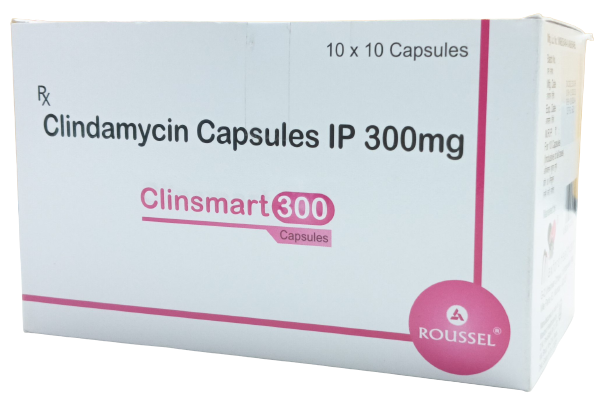
Description
Clindamycin 300mg is a prescription antibiotic capsule. Doctors and dentists usually pick it after asking a question first: is there a safer drug that would work just as well? Each capsule holds 300 mg of clindamycin as the hydrochloride salt. It belongs to the lincosamide family and works by stopping bacteria from making the proteins they need to grow. It is good against many staphylococci, streptococci and anaerobic bacteria (germs that thrive without oxygen, common in deep tooth and abdominal infections). This page is set out as a decision guide. It starts with the main risk, then explains when that risk is worth taking, and finishes with what you can do to stay safe on treatment.
Why clindamycin 300mg is a second-line choice
Most antibiotic labels open with a list of uses. The FDA prescribing information for clindamycin capsules opens with a warning. It tells prescribers to reserve the drug for serious infections where less toxic antimicrobial agents are inappropriate. The label also says clindamycin is meant for patients who are allergic to penicillin, or for whom a penicillin is otherwise unsuitable.
This does not mean clindamycin is a weak or old-fashioned drug. It reaches bone, skin and soft tissue well. It covers anaerobes that some first-choice drugs miss. It comes as a capsule, so many people can be treated at home. The problem is the trade-off. Clindamycin disrupts the normal gut bacteria more than many other oral antibiotics. That gives C. diff a chance to take over. So the drug sits behind gentler options in most treatment plans and moves forward only when there is a clear reason.
What “second-line” means for you
- Your prescriber should have a reason. It is fair to ask, “Why clindamycin rather than something else?” Common answers are a true penicillin allergy, a suspected MRSA infection, or a mix of bacteria that needs anaerobic cover.
- The course should be as short as the infection allows. Longer antibiotic courses raise the chance of side effects, including C. diff.
- You should know the warning signs before you start. The rest of this page is built around them.
If you have been told you are “allergic to penicillin” because of a childhood rash or stomach upset, mention it. Many people with that label can safely take penicillins after an allergy review. A confirmed non-allergy can open the door to drugs such as amoxicillin 500 mg capsules, which carry a lower C. diff risk.
When prescribers reach for clindamycin 300mg
The label lists serious infections of the respiratory tract, skin and soft tissue, abdomen and female pelvis, plus blood infections, caused by susceptible bacteria. In day-to-day practice, the 300 mg capsule tends to appear in four situations. The table below sets out the reasoning, and what else a prescriber might weigh up. It is a guide to the conversation, not a treatment plan.
| Situation | Why clindamycin | What else might be considered |
|---|---|---|
| Confirmed or likely penicillin allergy with a serious bacterial infection | Not related to penicillins, so cross-reactions are not expected. Covers streptococci, staphylococci and anaerobes. | Allergy testing to remove a wrong penicillin label; a cephalosporin if the reaction was mild and not immediate; a macrolide or doxycycline for some infections. |
| Dental abscess or spreading tooth infection | Mouth infections are often mixed and include anaerobes, which clindamycin covers well. | Drainage, root canal treatment or extraction (often the main fix); amoxicillin or penicillin V if no allergy; in some allergy cases, other agents chosen by the dentist. |
| Skin and soft-tissue infection, including suspected MRSA | Many community MRSA strains remain susceptible. Clindamycin may also reduce toxin production by some bacteria. | Incision and drainage alone for some abscesses; trimethoprim-sulfamethoxazole or doxycycline; cephalexin for non-MRSA cellulitis; lab culture to confirm susceptibility. |
| Bone or joint infection, often as step-down oral therapy after IV treatment | Good bone penetration and high oral absorption let some patients finish treatment at home. | Other oral options guided by culture results; continued IV therapy; specialist infectious-disease input. |
Dental infections: the antibiotic is rarely the whole answer
Dentists write a large share of outpatient clindamycin prescriptions. For a localised abscess, though, the key step is usually draining the pus and treating the tooth. Antibiotics are added when the infection spreads, causes fever or swelling of the face or neck, or when drainage cannot happen straight away. Toothache on its own, without signs of spreading infection, does not usually need an antibiotic. Pain relief does more. Our guides to over-the-counter tooth pain relief and whether acetaminophen or ibuprofen works better for toothache cover that side. If your dentist has prescribed something stronger for a few days, see our note on prescription painkillers for dental pain.
Clindamycin is also no longer advised for preventing heart-valve infection before dental work. The American Dental Association’s summary of the 2021 AHA statement explains that clindamycin was dropped as a penicillin-allergy alternative because it causes more frequent and more serious reactions, including C. diff. Listed alternatives include cephalexin, azithromycin, clarithromycin and doxycycline. If you were given clindamycin “just before a procedure” in the past, ask whether that is still the plan.
Skin infections and MRSA
The CDC’s MRSA overview describes typical skin infections as red, swollen, painful, warm bumps that may drain pus, sometimes with fever. It advises against picking at or draining the sore yourself. Many of these infections need a clinician to drain them. Some need an antibiotic as well. Clindamycin is one of several options. Because some staph strains carry hidden resistance to clindamycin, labs may run an extra test before confirming it will work. If your swelling grows, red streaks spread from it, or you develop a fever after 48 hours on treatment, call back.
The C. diff risk with clindamycin 300mg, in depth
This is the part of the page to read twice. Almost any antibiotic can trigger C. diff infection. Clindamycin is one of the drugs most often linked to it, which is why the warning sits at the top of the label.
How it happens
Your large bowel holds trillions of helpful bacteria. They crowd out harmful germs. Clindamycin kills many of these helpful bacteria along with the ones causing your infection. If C. diff spores are present, picked up from a hospital, care home or even a household surface, they can now germinate and multiply. They release toxins that inflame the lining of the colon. According to the CDC’s C. diff overview, the infection causes almost half a million illnesses in the US each year. People are up to 10 times more likely to get it while on an antibiotic and in the month after finishing one.
The timeline to watch
- During treatment: loose stools can begin within days of the first capsule.
- The first month after: the risk stays high while gut bacteria recover.
- Up to two months and beyond: the FDA label notes cases reported more than two months after antibiotics were given. The CDC adds that antibiotic effects on gut bacteria can last several months.
So “I finished the capsules weeks ago” does not rule it out. If you see a doctor for diarrhoea in the weeks after a course of clindamycin 300mg, tell them about the antibiotic, even if it feels unrelated.
Symptoms and when to call
The CDC lists diarrhoea, fever, stomach pain or tenderness, loss of appetite and nausea as typical signs. Not all antibiotic diarrhoea is C. diff. Mild, short-lived loose stools are common with many antibiotics. Use this as a rough guide:
- Call your prescriber the same day if you have three or more watery stools in a day, diarrhoea that lasts more than a day or two, stomach cramps, or a temperature.
- Get urgent care or call 911 if you see blood or pus in your stool, have severe belly pain or swelling, feel faint or confused, stop passing urine, or cannot keep fluids down.
The label says clindamycin should be stopped if significant diarrhoea occurs. Do not stop on your own without speaking to the prescriber, though, because the original infection still needs treating. They may switch you to another drug and test a stool sample.
Do not reach for anti-diarrhoeal medicine first
Medicines that slow the bowel, such as loperamide, can keep toxins inside the colon longer and may make C. diff colitis worse. Do not take any anti-diarrhoeal product during or after a clindamycin course unless a clinician has said it is safe. Focus on fluids instead. Water, broth and oral rehydration drinks help replace what you lose. Our article on managing diarrhoea and dehydration explains the warning signs of fluid loss.
Lower your C. diff risk: take the antibiotic only as prescribed and not a day longer than your prescriber advises. Wash your hands with soap and water after using the toilet and before eating. The CDC’s prevention advice says soap and water is the best way to stop the spread. Alcohol gel does not kill the spores well. If someone at home has diarrhoea, clean shared toilets and surfaces often.
Who faces the highest risk
The CDC names people aged 65 or over, those with a weakened immune system, people who have had C. diff before, and recent hospital or care-home patients. Older adults face extra hazards with many drugs; see our guide to medicine safety in older adults. If you already live with a bowel condition such as colitis, Crohn’s disease or irritable bowel syndrome, tell your prescriber. The label asks for caution in people with a history of gut disease, especially colitis.
Taking clindamycin 300mg capsules the right way
Clindamycin can irritate the food pipe (oesophagus) if a capsule sticks on the way down. That can cause painful swallowing, heartburn and, rarely, ulcers. The label and MedlinePlus patient guidance both give the same two simple fixes.
- Swallow each capsule whole with a full glass of water, about 6 to 8 ounces (180 to 240 ml). Do not open or chew it.
- Stay upright for at least 30 minutes afterwards. Sit or stand. Avoid taking the last dose of the day just before you lie down for bed.
- Space doses evenly through the day, as written on your label. Clindamycin is usually taken several times a day, often every 6 hours.
- Food is optional. Absorption is not greatly affected by meals, so take it with food if that settles your stomach.
- Missed a dose? MedlinePlus advises taking it when you remember, unless the next dose is nearly due. Never double up.
If you already have reflux, the upright rule matters even more. Our guide to reflux and GERD with prescription medicines has general tips that apply here too. New or worse heartburn or pain on swallowing while on clindamycin is worth a call to your pharmacist.
What the label says about dose
For adults, the FDA label gives a range of 150 to 300 mg every 6 hours for serious infections, and 300 to 450 mg every 6 hours for more severe infections. Children who can swallow capsules are dosed by body weight. Your prescriber picks the exact amount and length of treatment. That is why one person may be told to take one 300 mg capsule four times daily, while another takes a different pattern. If you need a smaller step, prescribers may use clindamycin 150 mg capsules instead. Always follow the directions on your own pharmacy label; our guide to reading a prescription label explains what each line means.
Finish the course as prescribed, even when you feel better. If symptoms are no better after two or three days, or are getting worse, contact your prescriber rather than waiting it out.
Other side effects to know about
C. diff gets the headlines, but it is not the only thing to watch for. Most people have no problems, or only mild ones.
Common and usually mild
- Nausea, vomiting or stomach upset
- A metallic or unpleasant taste in the mouth
- Mild loose stools that settle within a day or so (still mention them)
- Vaginal thrush: itching, burning or a thick white discharge
- Joint pain
Skin reactions
A mild itchy rash can happen with any antibiotic. Stop and get urgent help if the rash blisters, peels, involves the mouth, eyes or genitals, or comes with fever and swollen glands. The label lists rare but serious reactions, including Stevens-Johnson syndrome, toxic epidermal necrolysis and DRESS (a drug reaction affecting skin and internal organs). Swelling of the face or throat, or trouble breathing, means call 911.
Liver and kidneys
Clindamycin is mostly cleared by the liver. Jaundice and abnormal liver tests have been reported. Yellow skin or eyes, dark urine or pale stools need a prompt check. People with severe liver disease may need periodic blood tests; our overview of liver disease and prescription medicines explains why. The label also reports acute kidney injury. Prescribers may monitor kidney function if you have existing kidney problems or take other drugs that strain the kidneys. Passing much less urine than usual is a reason to call.
An allergy note on capsule strengths
The US label states that the 75 mg and 150 mg capsules contain the dye tartrazine (FD&C Yellow No. 5), which can cause allergic-type reactions in sensitive people, especially those with aspirin sensitivity. The 300 mg capsule is not listed as containing it. Check the label of your own brand, because inactive ingredients vary by manufacturer.
Interactions: what to tell your prescriber
The label lists a short but important set of interactions. A pharmacist can run a full check; our guide on how drug interactions are checked explains the process.
- Neuromuscular blocking agents. These muscle-relaxing drugs are used during general anaesthesia. Clindamycin can strengthen their effect. If you need surgery while on clindamycin, make sure the anaesthetist knows. Our article on telling your surgical team about your medicines covers what to share before an operation.
- CYP3A4 inhibitors. Clindamycin is broken down mainly by the liver enzyme CYP3A4. Drugs that block it can raise clindamycin levels, so the label advises watching for side effects. Examples include some azole antifungals, certain HIV medicines and some macrolides. Our explainer on fluconazole and CYP3A4 interactions shows how this works with another drug. For background, see how the liver’s enzymes process medicines.
- Strong CYP3A4 inducers. Drugs such as rifampin speed up that enzyme and can lower clindamycin levels. The label advises watching for loss of effect.
- Erythromycin. Older guidance and some references note that erythromycin and clindamycin may work against each other, so they are not normally combined. The current label does not list this; your prescriber can advise.
- Opioid pain relievers. These are often given alongside antibiotics after dental or surgical procedures. There is no major direct interaction listed, but opioids slow the bowel, which can mask early diarrhoea. See taking antibiotics with opioid painkillers.
Also list any vitamins, herbal remedies and supplements. St John’s wort, for example, is a CYP3A4 inducer. Our page on vitamins and supplements alongside prescriptions has a general checklist.
Alcohol
No direct interaction between clindamycin and alcohol is listed on the label. Alcohol can, though, worsen nausea and stomach upset, and heavy drinking can slow recovery from infection. Many clinicians suggest keeping drinking light or avoiding it until the course ends.
Pregnancy and breastfeeding
Tell your prescriber if you are pregnant, may be pregnant or are breastfeeding. According to the FDA label, studies of clindamycin given in the second and third trimesters did not show a higher rate of birth defects. Use in the first trimester is advised only if clearly needed, because data are more limited. Clindamycin is sometimes chosen in pregnancy when penicillins cannot be used. Our page on medicine decisions during pregnancy sets out the questions worth asking.
Clindamycin passes into breast milk. The label says breastfeeding does not have to stop, though another antibiotic may be preferred. Watch the baby for diarrhoea, blood in the stool, nappy rash or white patches in the mouth (thrush), and tell the paediatrician if these appear. For general principles, see breastfeeding while taking a prescription medicine.
Stewardship: using clindamycin 300mg so it keeps working
Every antibiotic course nudges bacteria towards resistance. Clindamycin resistance is already common in some staph and strep strains, and in some anaerobes. Responsible use protects you now and keeps the drug useful later. The CDC’s antibiotic do’s and don’ts make several points that apply directly:
- Antibiotics do not treat viruses. Colds, flu, most sore throats and most bronchitis will not get better faster with clindamycin. For a runny nose, symptom relief for colds is the better route.
- Take it exactly as prescribed. Do not stop early because you feel better, and do not stretch the course.
- Do not save capsules for later. A future infection may need a different drug, and self-treating can hide warning signs.
- Do not share. Someone else’s infection, allergies and other medicines are different from yours.
If you end up with unused capsules, do not flush them or keep them. Many pharmacies run take-back schemes; our guide to disposing of unused medicines covers the options. Until then, follow safe medicine storage basics: room temperature, original container, out of reach of children. If a child swallows capsules, call Poison Help on 1-800-222-1222, or 911 if they collapse or have trouble breathing.
Questions to ask before you start
- Why clindamycin rather than a penicillin or another option?
- How many days should I take it, and when should I feel better?
- What should I do if I get diarrhoea, during or after the course?
- Do any of my current medicines or supplements interact with it?
Our tips on talking openly with your doctor about a prescription can help you raise these points. If you are recovering from an operation as well, our overview of what to expect after surgery is a useful companion.
On this site, clindamycin 300mg is supplied only against a valid prescription that has been checked by a pharmacist. Learn more about how NewLifeMedix verifies prescriptions.
Clindamycin 300mg: frequently asked questions
What is clindamycin 300 mg used for?
It treats serious bacterial infections caused by susceptible germs, such as skin and soft-tissue infections, some dental and lung infections, abdominal and pelvic infections, and some bone infections. It is mainly used when a penicillin cannot be given or when anaerobic or MRSA cover is needed. It does not treat viral illnesses.
Is clindamycin a strong antibiotic?
It is effective against many bacteria and reaches bone and tissue well. “Strong” can be misleading, though. The bigger issue is its side-effect profile, especially the C. diff risk. That is why the FDA asks prescribers to save it for serious infections where gentler drugs are not suitable.
Why do I need a full glass of water with clindamycin?
A capsule that lodges in the oesophagus can cause irritation, heartburn and painful swallowing. A full glass of water (6 to 8 ounces) helps it reach the stomach. Staying upright for 30 minutes after each dose adds extra protection.
How long after taking clindamycin can you get C. diff?
It can start during the course or weeks afterwards. The FDA label notes cases reported more than two months after antibiotic treatment. The risk is highest during treatment and in the first month after. Mention recent clindamycin to any clinician you see for diarrhoea.
Can I take clindamycin if I am allergic to penicillin?
Yes. Clindamycin is not related to penicillin, and the label specifically mentions penicillin-allergic patients. It is still worth having the allergy reviewed, because many people with a penicillin label can take penicillins safely, and those drugs often carry fewer risks.
Can I drink alcohol while taking clindamycin?
The label lists no direct interaction. Alcohol can make nausea and stomach upset worse and may slow recovery. Keep drinking light or avoid it until you finish the course, and ask your pharmacist if unsure.
Can I lie down after taking clindamycin?
Wait at least 30 minutes. Lying down too soon raises the chance the capsule irritates your food pipe. Plan the last dose of the day so you are not taking it right before bed.
Is clindamycin safe during pregnancy?
Label data show no rise in birth defects with use in the second and third trimesters. First-trimester use is advised only when clearly needed. Your prescriber will weigh the infection risk against the medicine risk.
Can I take anti-diarrhoeal medicine if I get loose stools?
Not without advice. Medicines that slow the gut may make C. diff colitis worse. Drink fluids and contact your prescriber, who may test a stool sample and change your antibiotic.
What should I do if my infection is not improving?
Call your prescriber if you are no better after two to three days, or sooner if you feel worse, develop a fever or see spreading redness. You may need a different antibiotic, a culture test or drainage of an abscess.
Key takeaways
- Clindamycin 300mg is a prescription-only antibiotic with an FDA boxed warning for C. diff colitis.
- The label reserves it for serious infections where less toxic antibiotics are unsuitable, often in penicillin allergy.
- Common uses include spreading dental infections, skin infections including some MRSA, and step-down treatment for bone infections.
- Watery or bloody diarrhoea, cramps or fever, during treatment or up to two months or more after, need a same-day call. Avoid anti-diarrhoeals unless a clinician approves.
- Swallow capsules with a full glass of water and stay upright for 30 minutes.
- Tell your prescriber about surgery plans and any CYP3A4-affecting medicines such as rifampin or azole antifungals.
- Take it exactly as prescribed, never share it and never save leftovers.
This description is for information only and does not replace advice from your doctor or pharmacist. Use only as prescribed.
Prescription only, with a boxed warning. Clindamycin 300mg capsules need a valid prescription. Your prescriber chooses the antibiotic, the dose and how long you take it, based on the infection you have. Never use leftover capsules or tablets someone else was given.
The FDA boxed warning in plain terms: clindamycin has been linked to severe, sometimes fatal, bowel inflammation caused by Clostridioides difficile (C. diff). That is why the label says to keep it for serious infections where less toxic antibiotics are not suitable. Diarrhoea can start during treatment or more than two months after the last dose. If you get watery or bloody stools, stomach cramps or fever, contact your prescriber the same day.
Reviews
There are no reviews yet.