
Can Oxycodone Cause Sweating? What You Need to Know

Yes, oxycodone can cause sweating, from mild dampness during regular use to intense night sweats during withdrawal. Here’s why it happens and how to manage it.
Yes, oxycodone can cause sweating, from mild dampness during regular use to intense night sweats during withdrawal. Here’s why it happens and how to manage it.
Early oxycodone withdrawal often starts with yawning, watery eyes, muscle aches, and anxiety within hours of the last dose. Learn what to watch for and how to cope.
A detailed day-by-day breakdown of the oxycodone withdrawal timeline, covering what symptoms to expect, how long they last, and practical strategies for coping safely at every stage.
Oxycodone withdrawal typically peaks within two to four days and resolves physically within a week or two, though emotional symptoms can linger longer; this guide breaks down the full timeline, key factors, and coping strategies.
Oxycodone withdrawal and the flu share strikingly similar symptoms like chills, body aches, and nausea. Here’s how to tell the two apart and what to do about it.

Discover which foods can help ease nausea, diarrhea, muscle cramps, and fatigue during oxycodone withdrawal, plus what to avoid and a sample daily meal plan.
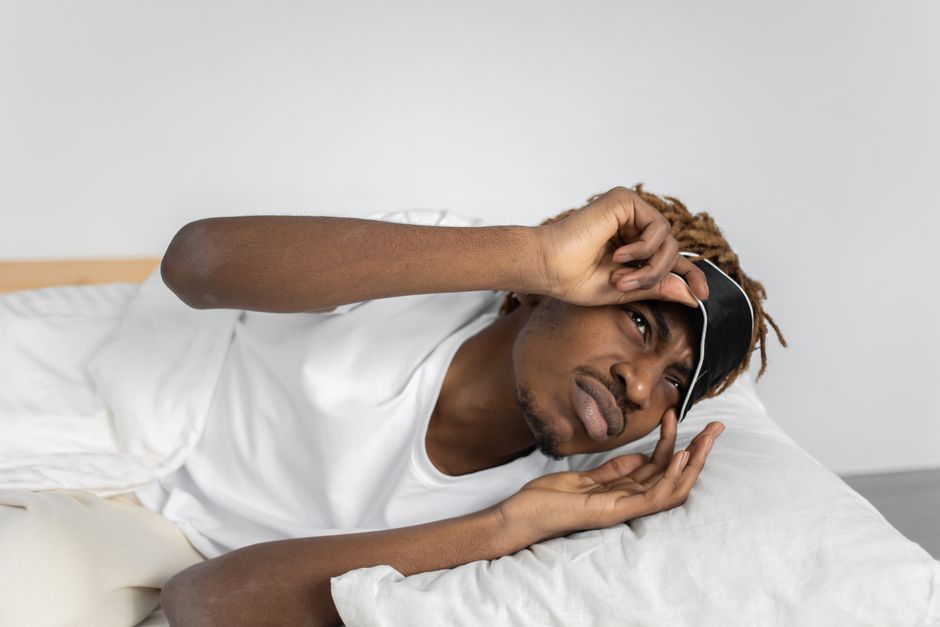
Sleep during oxycodone withdrawal is often light, broken, or completely absent, especially during peak withdrawal days two through five, but understanding why this happens and using targeted coping strategies can make the process far more manageable.

Oxycodone withdrawal often triggers intense anxiety due to brain chemistry changes, but understanding the causes, timeline, and proven relief strategies can make recovery far more manageable.

Diarrhea is one of the most common and uncomfortable symptoms of oxycodone withdrawal, caused by the gut rebounding after opioids are removed; this guide explains why it happens, when it peaks, its risks, and practical ways to find relief safely.

Muscle cramps are one of the most common and painful symptoms of oxycodone withdrawal, driven by nervous system rebound and electrolyte loss; this guide explains the causes, timeline, relief strategies, and when to seek medical help.